





#NasdaqEntersPredictionMarkets.
Recently, a new topic has started gaining traction among investors, traders, and financial observers: #NasdaqEntersPredictionMarkets. The reflects a major shift in how one of the world’s largest stock exchanges Nasdaq is positioning itself amid the rise of prediction markets and event-based trading instruments in 2026.
In simple terms, this trend highlights that Nasdaq is actively moving toward launching prediction market-style products on its exchange, marking a potentially significant evolution in mainstream financial markets. Instead of just trading stocks, derivatives, and ETFs, the exchange is exploring binary outcome contracts that resemble yes-or-no prediction market bets a space previously dominated by specialized platforms.
What Nasdaq Is Planning:
According to filings and recent reports, Nasdaq has taken a formal step toward offering a new category of contracts that function like prediction markets. These products often referred to as binary options or outcome-related options allow participants to place simple bets on whether certain measurable events will happen or not. For example, a contract might pay out if the Nasdaq-100 index closes above a certain level at the end of a specific period, and pay nothing if it does not.
These contracts are listed with prices generally between 1 cent and 1 dollar, reflecting market expectations about the probability of the event occurring. In that sense, they behave like traditional prediction market contracts, but within a fully regulated institutional exchange structure.
The move signals Nasdaq’s intention to capitalize on the explosive interest in prediction markets that surged during prior major global events, where participants wagered large amounts on outcomes ranging from elections to economic indicators. Now, Nasdaq aims to bring similar mechanics into regulated financial markets under institutional oversight.
Why Prediction Markets Matter
Prediction markets are platforms where individuals can bet on the likelihood of real-world events often political, economic, or sporting and these bets translate into probability-based pricing. They’ve become increasingly popular because they aggregate collective expectations about outcomes, and many analysts believe they sometimes reflect real-time market sentiment more accurately than traditional surveys or polls.
By entering this space, Nasdaq is essentially saying: “We see value in facilitating event-based bets under a regulated, institutional framework.” This could blur the boundaries between traditional financial derivatives, structured products, and event prediction markets a shift with broad implications for liquidity, risk pricing, and market dynamics.
How This Fits in the Broader Market Landscape
Nasdaq’s move doesn’t occur in isolation. Across 2025–2026, several developments have fueled interest in prediction market mechanics:
Major financial exchanges and trading firms have filed or announced similar products.
U.S. states and regulatory bodies are actively debating how to manage online prediction markets.
Retail trading platforms and tech companies have expanded into prediction contract offerings as a way to engage users.
These shifts reflect a broader trend where traditional finance intersects with crowd-based probabilistic trading.
⚖️ Regulatory Context Why Nasdaq Is Moving Cautiously
Unlike many newer prediction platforms operating outside full oversight, Nasdaq is attempting to introduce prediction-style contracts within existing regulatory frameworks. These are likely to be subject to approval before they can be listed and traded by investors, and this approval process can be complex due to concerns about market integrity, investor protection, and how outcomes are verified.
Being a regulated exchange, Nasdaq’s entry into this market could alleviate some concerns about operational transparency and counterparty risk issues that have dogged smaller prediction websites in the past.
🤔 What Investors Are Saying
Reactions to the hashtag #NasdaqEntersPredictionMarkets are varied:
Optimists view it as a sign that prediction markets are becoming more mainstream and accessible.
Skeptics question whether traditional finance players can replicate the high liquidity and user-driven pricing found on decentralized or independent platforms.
Regulatory observers are focused on how such products will be supervised and whether they might influence broader derivatives markets.
These discussions show that this trend is about both the evolution of financial products and the future of how markets interpret event-based probabilities.
📌 A Potential Shift in Market Mechanics
The #NasdaqEntersPredictionMarkets captures a timely and significant development: one of the world’s largest exchanges is exploring products that resemble prediction market contracts, under the umbrella of regulated finance. This move could reshape how traders, institutions, and even retail investors think about event outcomes, risk allocation, and probabilistic pricing of future states.
Whether these new contracts become widely adopted remains to be seen, but Nasdaq’s entry sends a clear signal: prediction market mechanics are not just fringe attractions of the crypto world they are becoming part of mainstream financial innovation.
🗓️ Important Context Note
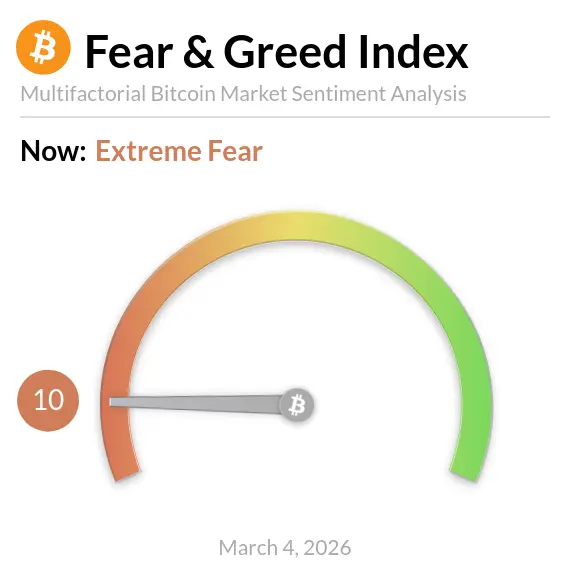
This trend is unfolding in March 2026, during a period of heightened market sensitivity to both economic data and geopolitical developments. As markets continue to search for new forms of engagement and risk instruments, the intersection of prediction markets and traditional exchanges could become one of the defining stories of the year.
Recently, a new topic has started gaining traction among investors, traders, and financial observers: #NasdaqEntersPredictionMarkets. The reflects a major shift in how one of the world’s largest stock exchanges Nasdaq is positioning itself amid the rise of prediction markets and event-based trading instruments in 2026.
In simple terms, this trend highlights that Nasdaq is actively moving toward launching prediction market-style products on its exchange, marking a potentially significant evolution in mainstream financial markets. Instead of just trading stocks, derivatives, and ETFs, the exchange is exploring binary outcome contracts that resemble yes-or-no prediction market bets a space previously dominated by specialized platforms.
What Nasdaq Is Planning:
According to filings and recent reports, Nasdaq has taken a formal step toward offering a new category of contracts that function like prediction markets. These products often referred to as binary options or outcome-related options allow participants to place simple bets on whether certain measurable events will happen or not. For example, a contract might pay out if the Nasdaq-100 index closes above a certain level at the end of a specific period, and pay nothing if it does not.
These contracts are listed with prices generally between 1 cent and 1 dollar, reflecting market expectations about the probability of the event occurring. In that sense, they behave like traditional prediction market contracts, but within a fully regulated institutional exchange structure.
The move signals Nasdaq’s intention to capitalize on the explosive interest in prediction markets that surged during prior major global events, where participants wagered large amounts on outcomes ranging from elections to economic indicators. Now, Nasdaq aims to bring similar mechanics into regulated financial markets under institutional oversight.
Why Prediction Markets Matter
Prediction markets are platforms where individuals can bet on the likelihood of real-world events often political, economic, or sporting and these bets translate into probability-based pricing. They’ve become increasingly popular because they aggregate collective expectations about outcomes, and many analysts believe they sometimes reflect real-time market sentiment more accurately than traditional surveys or polls.
By entering this space, Nasdaq is essentially saying: “We see value in facilitating event-based bets under a regulated, institutional framework.” This could blur the boundaries between traditional financial derivatives, structured products, and event prediction markets a shift with broad implications for liquidity, risk pricing, and market dynamics.
How This Fits in the Broader Market Landscape
Nasdaq’s move doesn’t occur in isolation. Across 2025–2026, several developments have fueled interest in prediction market mechanics:
Major financial exchanges and trading firms have filed or announced similar products.
U.S. states and regulatory bodies are actively debating how to manage online prediction markets.
Retail trading platforms and tech companies have expanded into prediction contract offerings as a way to engage users.
These shifts reflect a broader trend where traditional finance intersects with crowd-based probabilistic trading.
⚖️ Regulatory Context Why Nasdaq Is Moving Cautiously
Unlike many newer prediction platforms operating outside full oversight, Nasdaq is attempting to introduce prediction-style contracts within existing regulatory frameworks. These are likely to be subject to approval before they can be listed and traded by investors, and this approval process can be complex due to concerns about market integrity, investor protection, and how outcomes are verified.
Being a regulated exchange, Nasdaq’s entry into this market could alleviate some concerns about operational transparency and counterparty risk issues that have dogged smaller prediction websites in the past.
🤔 What Investors Are Saying
Reactions to the hashtag #NasdaqEntersPredictionMarkets are varied:
Optimists view it as a sign that prediction markets are becoming more mainstream and accessible.
Skeptics question whether traditional finance players can replicate the high liquidity and user-driven pricing found on decentralized or independent platforms.
Regulatory observers are focused on how such products will be supervised and whether they might influence broader derivatives markets.
These discussions show that this trend is about both the evolution of financial products and the future of how markets interpret event-based probabilities.
📌 A Potential Shift in Market Mechanics
The #NasdaqEntersPredictionMarkets captures a timely and significant development: one of the world’s largest exchanges is exploring products that resemble prediction market contracts, under the umbrella of regulated finance. This move could reshape how traders, institutions, and even retail investors think about event outcomes, risk allocation, and probabilistic pricing of future states.
Whether these new contracts become widely adopted remains to be seen, but Nasdaq’s entry sends a clear signal: prediction market mechanics are not just fringe attractions of the crypto world they are becoming part of mainstream financial innovation.
🗓️ Important Context Note
This trend is unfolding in March 2026, during a period of heightened market sensitivity to both economic data and geopolitical developments. As markets continue to search for new forms of engagement and risk instruments, the intersection of prediction markets and traditional exchanges could become one of the defining stories of the year.