BeautifulDay

vip
Age 1.7 Year
Peak Tier 5
No content yet
BitMine keeps accumulating! Buys another 20,000 ETH and stakes o
991 views
2026-05-01 17:01
  • Reward
  • 4
  • 1
  • Share
CryptoDiscovery:
good 👍👍👍
View More
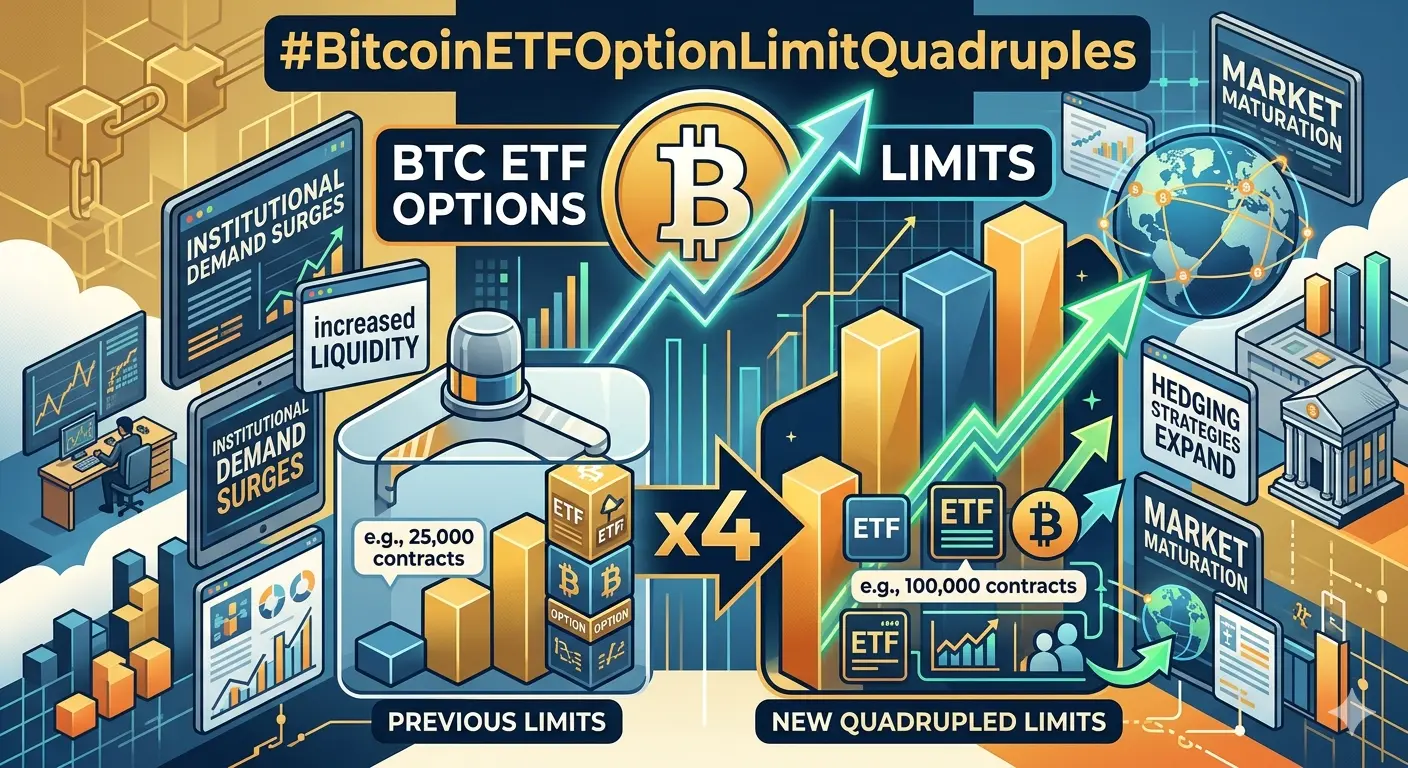
#BitcoinETFOptionLimitQuadruples
The move to quadruple Bitcoin ETF option limits reflects a significant step in the evolution of crypto-linked financial markets. It signals growing confidence from regulators and institutions in the depth, liquidity, and maturity of Bitcoin-related investment products.
ETF options play an important role in market structure because they allow traders and institutions to hedge positions, manage risk, and express complex market views without directly holding the underlying asset. By increasing these limits, the market effectively enables higher participation from
BTC2.19%
  • Reward
  • 6
  • Repost
  • Share
CryptoDiscovery:
good information for sharing 💯
View More
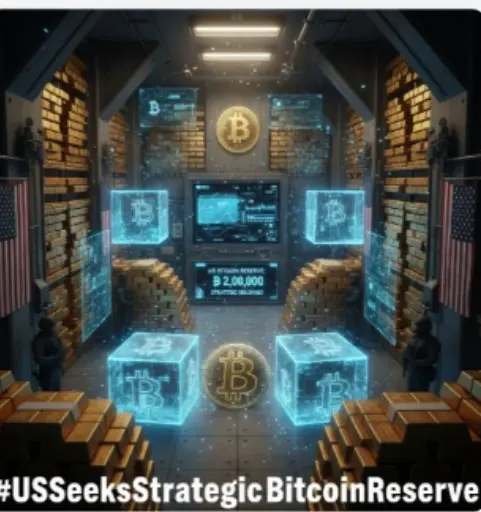
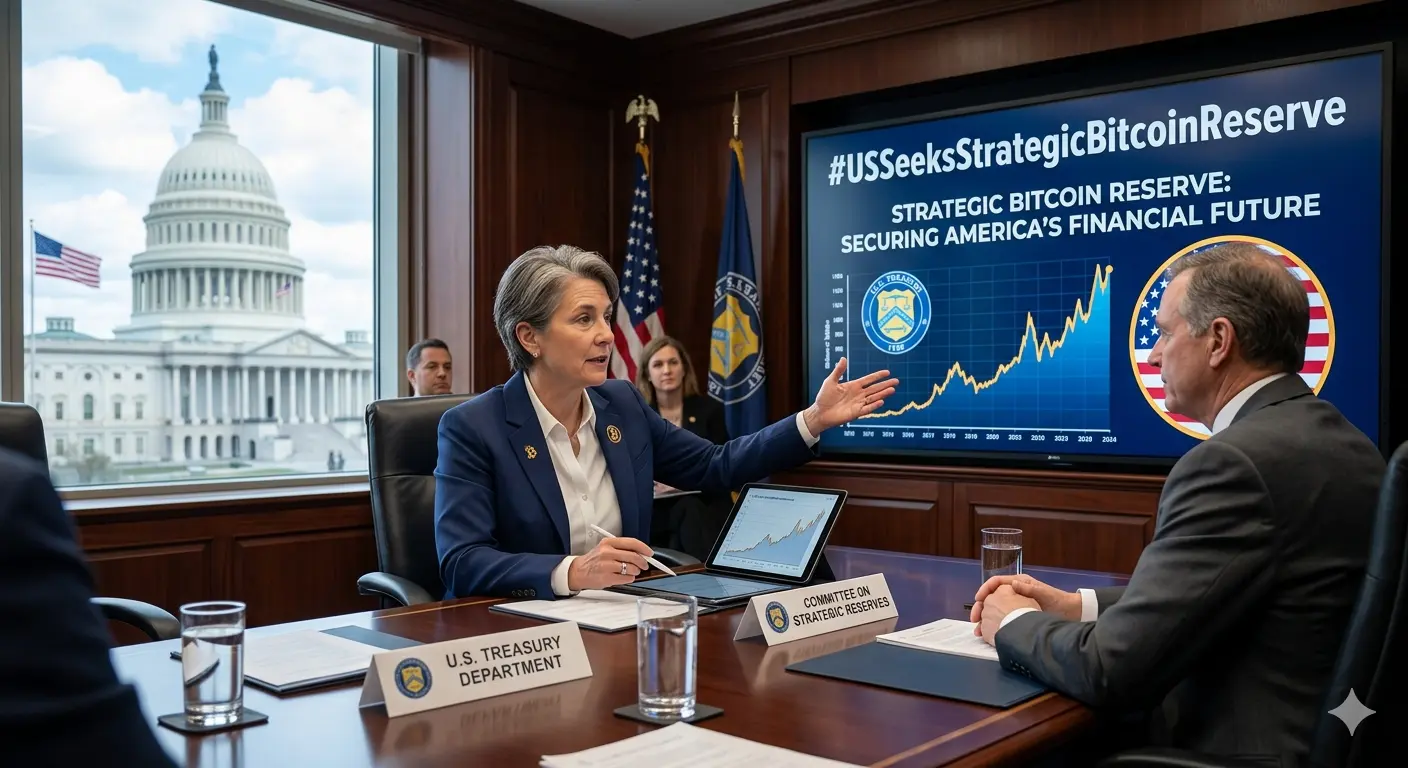
#USSeeksStrategicBitcoinReserve
The discussion around a US Strategic Bitcoin Reserve highlights a major shift in how governments may begin to view digital assets within national financial strategy. Bitcoin is no longer being treated only as a speculative investment or retail trading instrument, but increasingly as a potential macro-level reserve asset with long-term strategic implications.
Supporters of the idea argue that Bitcoin’s fixed supply and decentralized structure could make it a useful hedge against inflation and currency devaluation. In a global environment where debt levels are ri
BTC2.19%
  • Reward
  • 4
  • Repost
  • Share
CryptoDiscovery:
good information for sharing 💯
View More
#WCTCTradingKingPK
WCTCTradingKingPK is a trending tag in the trading community that highlights competitive trading performance in live market conditions. It represents a battle-style environment where traders are judged based on skill, strategy, and execution rather than luck or random outcomes. The main focus in such competitions is how effectively a trader manages risk, timing, and decision-making under real market pressure.
In these trading battles, consistency and discipline matter more than aggressive moves. Successful traders usually follow a structured plan, control their position siz
  • Reward
  • 5
  • Repost
  • Share
CryptoDiscovery:
good information for sharing 💯
View More
#WCTCTradingKingPK
WCTC S8 – Professional Trade Breakdown (Structured Execution View)
Dragon Fly Official
This is not a random trade idea. It reflects a structured approach aligned with how competitive trading environments like WCTC S8 operate, where consistency, risk control, and execution discipline matter more than isolated wins.
WCTC S8 is a large-scale trading competition with a prize pool of up to 8,000,000 USDT, combining spot, futures, and multi-asset trading under real market conditions. In such environments, performance is not driven by occasional high-risk trades, but by sustained R
BTC2.19%
DragonFlyOfficial
#WCTCTradingKingPK
WCTC S8 – Professional Trade Breakdown (Deep Research Based)
Dragon Fly Official
This is not a random trade idea — this setup is aligned with how WCTC S8 actually works: performance, ROI, and execution under pressure.
WCTC S8 is a global trading competition with up to 8,000,000 USDT prize pool, combining spot, futures, and multi-asset trading in real market conditions. ([ChainCatcher][1])
That means one thing: inconsistent or emotional trading will destroy your ranking.
---
Market Context (Important)
BTC is currently trading inside a premium zone after liquidity sweep.
In competitive environments like WCTC, most traders overtrade after breakout — smart traders wait for confirmation.
---
Trade Setup
Pair: BTC/USDT
Bias: Short-term bearish
Entry Zone: 68450 – 68700
Stop Loss: 69200
Take Profit 1: 67200
Take Profit 2: 66500
Risk to Reward: approx 1:3
---
Deep Logic (SMC + Competition Strategy)
1. Liquidity Engineering
Price took equal highs liquidity — this is not breakout strength, this is stop hunting.
2. Supply Zone Reaction
4H supply zone respected — institutions typically re-enter here.
3. Momentum Weakness
After sweep, bullish continuation failed — indicates distribution phase.
4. WCTC Angle (Most People Ignore This)
In competitions, traders chase volatility for leaderboard ranking.
But real edge = controlled entries + high RR trades.
ROI matters more than random big wins.
---
Execution Plan
No entry without confirmation candle
Avoid chasing if price drops without entry
Partial profit at TP1, secure trade
Let runner hit TP2 only if structure holds
---
Risk Warning
Trading competitions increase emotional pressure.
Overtrading, revenge trading, and over-leverage are the main reasons traders lose capital.
This is not financial advice. Always use risk management.
---
Professional Insight
WCTC is not about predicting the market.
It is about surviving volatility while maintaining consistent ROI.
Most participants will lose because:
They trade too much
They ignore structure
They focus on hype instead of execution
Only disciplined traders stay on leaderboard.
---
Conclusion
This setup is not about one trade — it’s about building a repeatable system.
If you cannot follow your own rules, no strategy will save you.
#WCTCTradingKingPK
repost-content-media
  • Reward
  • 5
  • Repost
  • Share
CryptoDiscovery:
good information for sharing 💯
View More
#Polymarket每日热点
#WCTCTradingKingPK
Polymarket continues to reflect where global speculative attention is concentrating in 2026, spanning crypto narratives, macro risk events, geopolitics, and major sports outcomes. The platform’s current flow shows a clear split between high-volume conviction markets and low-confidence long-shot predictions.
Crypto & Finance markets remain one of the most active segments. Bitcoin’s long-term projection toward $150K by December 2026 is attracting notable volume, but the implied probability remains relatively low at around 10%, reflecting market skepticism about
BTC2.19%
GT-0.27%
ybaser
#Polymarket每日热点
#WCTCTradingKingPK
Polymarket’s hottest prediction events right now span crypto milestones, geopolitical risks, sports championships, and major elections. Bitcoin’s path to $150k, the ceasefire outcomes in the Middle East are drawing the largest trading volumes.
Trending Polymarket Hotspots (May 1, 2026)
Crypto & Finance
Bitcoin $150k by Dec 31, 2026
Volume: $18M Liquidity: $49.8K Odds: 10%
MegaETH FDV one day post-launch $600M
Volume: $29M Liquidity: $639K Odds: 100%
WTI Crude Oil April 2026 peak
Volume: $65M Liquidity: $2M
Odds: 1% chance of $160
Geopolitics
US–Iran permanent peace deal by June 30, 2026
Volume: $71M
Liquidity: $1M
Odds: 32%
Strait of Hormuz traffic normalized by end of April
Volume: $37M Liquidity: $218K Odds: 1%
Sports
2026 FIFA World Cup Winner
Volume: $955M
Liquidity: $195M
Odds: 16% France
UEFA Champions League Winner
Volume: $252M
Liquidity: $1M Odds: 32%
Bayern Munich
Key Takeaways
Crypto & Oil: Traders are skeptical about Bitcoin hitting $150k this year, but confident in MegaETH’s explosive launch. Oil markets show extreme bearishness on $160 WTI.
Geopolitics: Middle East ceasefire extensions are high-volume but low-confidence beyond short-term deals.
Sports: FIFA World Cup dominate volumes, with France leading odds.
$BTC $GT
repost-content-media
  • Reward
  • 7
  • Repost
  • Share
CryptoDiscovery:
good information for sharing 💯
View More
#DeFiLossesTop600MInApril
The April 2026 DeFi incident, which resulted in more than $600 million in reported losses, has once again highlighted how interconnected and sensitive decentralized finance remains within the broader crypto ecosystem. Even though DeFi represents a smaller share of total crypto market capitalization compared to major assets like Bitcoin and Ethereum, its influence on liquidity sentiment and risk perception is still disproportionately large.
Despite the scale of the losses, the broader market reaction has been more structural than chaotic. Instead of a full-scale market
BTC2.19%
ETH1.4%
SOL0.43%
HighAmbition
#DeFiLossesTop600MInApril
DeFi Losses Exceed $600 Million in April
The April 2026 DeFi crisis, resulting in more than $600 million in direct losses, created significant structural stress within decentralized finance protocols and triggered measurable price reactions across the broader crypto market.
Even though DeFi represents a smaller share of total crypto market capitalization compared to Bitcoin and Ethereum, its impact on liquidity confidence and risk sentiment remains disproportionately large. As a result, shocks in this sector continue to influence broader volatility across digital asset markets.
📊 Current Market Snapshot (Updated Prices)
Bitcoin (BTC): $76,608
Ethereum (ETH): $2,264
Solana (SOL): $84
📉 Updated Price Impact Across Major Crypto Assets
Following the DeFi exploit wave in April, the market displayed differentiated reactions across key assets:
🟠 Bitcoin (BTC)
Bitcoin remained relatively stable, trading around $75,800 to $77,200, now consolidating near $76,608.
Overall movement: approximately -1% to -3%
Interpretation: BTC continues acting as a macro liquidity anchor rather than a DeFi-exposed asset
🔵 Ethereum (ETH)
Ethereum experienced more noticeable downside pressure due to its deep integration with DeFi ecosystems.
Current range: $2,200 to $2,350
Trading near: $2,264
Overall movement: approximately -4% to -8%
Key driver: direct exposure to smart contract liquidity and DeFi-linked collateral flows
🟡 Solana (SOL)
Solana reflected higher beta behavior due to ecosystem sensitivity and liquidity outflows.
Current range: $78 to $90
Trading near: $84
Overall movement: approximately -5% to -12%
Driver: infrastructure-linked sentiment pressure and DeFi ecosystem correlation
🟣 DeFi Sector Tokens
DeFi tokens collectively experienced the sharpest impact:
Declines: -8% to -18%
Some mid-cap governance tokens saw intraday volatility exceeding -20%
Main driver: trust erosion and liquidity withdrawal cycles
🟢 Stablecoins
Stablecoins remained price-stable but showed significant behavioral shifts:
Inflows increased by approximately +12% to +25%
Interpretation: capital rotation into lower-risk storage within crypto markets
🌊 Market Structure Impact – Liquidity Rotation Behavior
The key shift post-$600M DeFi losses was not just price decline but capital reallocation dynamics:
High-risk DeFi protocols → sharp outflows
Mid-cap altcoins → moderate exposure reduction
Ethereum → partial defensive positioning
Bitcoin → relative accumulation zone
Stablecoins → temporary capital parking
This created a liquidity compression cycle, where DeFi Total Value Locked (TVL) declined approximately 4% to 7%, while stablecoin settlement activity and exchange inflows increased.
📊 Volatility Transmission – Why DeFi Losses Affect Prices
DeFi shocks propagate beyond their direct financial impact due to confidence-driven leverage mechanisms:
Reduction in leveraged positions across lending platforms
Collateral value decline triggering partial liquidations
Temporary liquidity withdrawal from market makers
Risk model recalibration across protocols
Shift from yield-seeking behavior to capital preservation
This creates a second-order effect where a $600M loss can influence $2–5 billion in total market repositioning across spot and derivatives markets.
📉 Sector Performance Divergence
A clear structural divergence remains visible:
Bitcoin: low volatility macro hedge (~2% deviation range)
Ethereum: hybrid exposure asset with moderate DeFi correlation
DeFi tokens: high-beta instruments with amplified drawdowns (3x–5x BTC volatility)
This reinforces crypto’s evolving segmentation:
Macro assets → BTC, partially ETH
Infrastructure assets → ETH ecosystem, L2 networks
High-risk yield assets → DeFi protocols and experimental finance layers
🔄 Liquidity Recovery Behavior Post-Crisis
Historically, DeFi shocks follow a three-phase cycle:
Panic phase (0–72 hours): rapid withdrawals
Stabilization phase (3–10 days): selective re-entry
Redistribution phase (2–6 weeks): capital flows into safer protocols
Early indicators suggest the market is transitioning from Phase 1 into Phase 2, with:
Stabilizing DeFi TVL
Rising stablecoin inflows to exchanges
Gradual normalization of liquidity conditions
🌍 Broader Market Interpretation
The $600M DeFi loss event should be viewed not as systemic collapse but as a stress test of decentralized financial infrastructure.
Key takeaways:
DeFi is now large enough to influence macro liquidity cycles
Capital rotation dominates over full market exits
Bitcoin increasingly functions as a crypto-native macro settlement asset
🔮 Forward Outlook – Price Stability vs Expansion Potential
If no additional major exploits occur:
DeFi assets may recover +5% to +15% from post-crisis lows
Bitcoin could stabilize and potentially retest $78,000–$82,000
Ethereum may lead recovery with upside potential of +8% to +18%, depending on liquidity normalization
Solana could gradually recover toward $90–$100 range if ecosystem sentiment improves
However, renewed vulnerabilities could temporarily trigger another 5%–10% sector-wide correction in DeFi assets.
📌 Final Summary
The April 2026 DeFi crisis exceeding $600 million in losses produced a clear but contained shock across crypto markets.
BTC: stable near $76,608
ETH: under moderate pressure near $2,264
SOL: fluctuating around $84
DeFi tokens: highest volatility with up to -18% drawdowns
Despite short-term disruption, market structure remains resilient, with capital rotating rather than exiting—indicating a maturing, segmented crypto financial system.
repost-content-media
  • Reward
  • 6
  • Repost
  • Share
CryptoDiscovery:
good information for sharing 💯
View More
#BitcoinETFOptionLimitQuadruples
The SEC-approved expansion of Bitcoin ETF options limits marks a major structural shift in how regulated crypto markets operate in the United States. What began as a cautious framework in 2024 has now evolved into a far more mature and institution-friendly derivatives environment by 2026.
Originally, Bitcoin ETF options were constrained by a 25,000-contract position limit. This cap was designed to reduce systemic risk during the early phase of spot ETF adoption. However, it also restricted large-scale institutional strategies, especially for hedge funds, market
BTC2.19%
ETH1.4%
discovery
#BitcoinETFOptionLimitQuadruples
How the SEC-Approved Change Is Reshaping the Bitcoin ETF Market
In January 2026, filings from Nasdaq and NYSE Arca kicked off a new era in US securities markets. Position limits on options for spot Bitcoin and Ethereum ETFs were effectively quadrupled, and in some cases raised tenfold. The old 25,000-contract cap was removed. For BlackRock’s IBIT, the limit moved to 250,000 contracts, and some proposals push it as high as 1 million.
Here are all the details behind the #BitcoinETFOptionLimitQuadruples tag, why it matters, and how it affects the market.
1. What Was the Old Limit and Why Did It Exist?
When the SEC approved spot Bitcoin ETFs in January 2024, it took a cautious approach to options trading. To address risk and manipulation concerns, it imposed a 25,000-contract maximum for a single side. That equated to roughly 2.5 million shares per ETF. The goal was to keep the new products from destabilizing the market.
In practice, the cap prevented large funds, market makers, and hedge funds from trading at scale. Strategies like full hedging, covered calls, and arbitrage were constrained.
2. What Changed? The New Rules in Numbers
January 21, 2026: Nasdaq filed a rule change with the SEC to eliminate the 25,000-contract position and exercise limits on Bitcoin and Ethereum ETF options. The SEC waived the 30-day waiting period and the rule took effect immediately. These options are now treated the same as options on other commodity-based ETFs.
July 2025 – March 2026: The SEC raised the position limit for IBIT and other Bitcoin ETFs from 25,000 to 250,000 contracts. That is a tenfold increase.
Nasdaq ISE Filing: Nasdaq submitted a separate proposal to raise the IBIT limit to 1 million contracts. The rationale: IBIT now holds more than 62.7 billion dollars in assets and is among the most actively traded products. The exchange argued that even a 1 million-contract limit would represent only 0.284% of total Bitcoin supply and would not create systemic risk.
NYSE Arca and NYSE American: In March 2026, they announced the removal of the 25,000-contract cap on 11 different crypto ETFs, including BlackRock IBIT and Fidelity FBTC.
3. Why Does This Matter? Four Key Impacts 1. Institutional Scale Unlocked: The 25,000-contract cap prevented large institutions from fully hedging. With the cap lifted, banks, hedge funds, and asset managers can use options to hedge spot ETF positions at full scale. 2. Deeper Liquidity: Larger position capacity lets market makers quote tighter spreads. That reduces trading costs for both institutional and retail investors. 3. Potential Volatility Reduction: According to NYDIG research, expanded limits enable more aggressive use of covered call strategies. Because these strategies keep supply in the market, they tend to lower Bitcoin’s volatility. Lower volatility can lead risk-parity funds to allocate more to Bitcoin. 4. Equal Treatment: Nasdaq emphasized that crypto ETF options are now subject to the same rules as gold and oil ETFs. This strengthens the perception that “Bitcoin is now in the mega-cap league.” 4. Which Products Are Covered?
The new rules are not just for Bitcoin. SEC filings cover spot Bitcoin and Ethereum ETFs from BlackRock IBIT, Fidelity FBTC, Grayscale GBTC, Bitwise, ARK/21Shares, and VanEck. IBIT already has 7.7 million open contracts, making it the 9th most active options product in the U.S.
5. Market Reaction and Numbers
ETF Inflows: Spot Bitcoin ETFs saw 1.16 billion dollars in net inflows in the first two trading days of 2026. IBIT alone added 888 million dollars year-to-date, with total assets exceeding 134 billion dollars.
Institutional Moves: MicroStrategy added another 34,000 BTC, bringing its total above 815,000. Global crypto funds recorded 1.2 billion dollars in weekly inflows.
Price: As news of the limit changes intensified, Bitcoin tested 79,417 dollars and pushed toward 80,000 dollars.
6. Risks and Criticisms 1. Uneven Advantage: The limit increase does not apply to every ETF. If some products like FBTC remain under the old cap, IBIT’s dominance could grow further. 2. Manipulation Concerns: Some in the community argue that removing limits could let large players influence prices. 3. Volatility Paradox: While options provide hedging, very large positions can increase short-term swings. In early 2026, Bitcoin ETFs saw 1.58 billion dollars in outflows over three days. 7. What’s Next? 1. Final SEC Decisions: A decision on Nasdaq’s 1 million-contract proposal is expected by the end of February. 2. Ethereum ETF Options: The path opened for Bitcoin applies to ETHA and other Ethereum ETFs as well. The SEC lifted ETF options limits for ETH at the same time. 3. New Products: Strategy firms are now adding “digital credit” products like STRC to ETF packages. BlackRock’s PFF fund holds 210 million dollars in STRC. 4. In-Kind Permissions: The SEC approved in-kind creation and redemption for Bitcoin and Ethereum ETFs. This improves tax efficiency and simplifies operations. Conclusion: What Does #BitcoinETFOptionLimitQuadruples Mean?
The 25,000-contract cap was a “training wheels” rule for Bitcoin ETFs. Raising limits by four to ten times shows regulators now view these products in the same risk class as gold and oil ETFs.
This is not a direct price call for retail investors. It is an infrastructure change. Hedge funds, banks, and pension funds can now manage Bitcoin in their portfolios with full-scale risk tools.
In the short term, we will see more liquidity and more complex strategies. Long term, the depth of the options market is turning Bitcoin into a “Wall Street league” asset.
The question remains: Will increased institutional control change Bitcoin’s decentralized ethos, or will it cement Bitcoin as a permanent macro asset class?j
#GateSquareMayTradingShare
#Gate广场五月交易分享
repost-content-media
  • Reward
  • 7
  • Repost
  • Share
ybaser:
2026 GOGOGO 👊
View More
#USSeeksStrategicBitcoinReserve
April 2026 is increasingly being viewed as a turning point where Bitcoin is no longer discussed only as a market-driven digital asset, but as part of a broader sovereign and policy-level conversation. While price action remains relatively stable in the $75K–$77K consolidation range, the underlying market behavior suggests accumulation rather than indecision.
This phase of stability is better interpreted as absorption. Large institutional participants and potentially strategic actors appear to be positioning gradually without creating sharp volatility. In such en
BTC2.19%
MrFlower_XingChen
#USSeeksStrategicBitcoinReserve
April 2026 may eventually be remembered as the phase where Bitcoin quietly transitioned from a market-driven asset into a policy-driven discussion at the highest level. While price action appears calm on the surface, holding within the $75K–$77K range, the underlying narrative is becoming far more significant. Consolidation at these levels is not showing weakness—it is reflecting absorption, where both institutional and strategic players are positioning without aggressively moving the market.
The idea of a United States strategic Bitcoin reserve is no longer a fringe concept. It is emerging from the intersection of economic pressure, geopolitical competition, and the search for alternative stores of value. Traditional reserve assets like gold and fiat currencies have long dominated this space, but Bitcoin introduces a fundamentally different structure—fixed supply, decentralized control, and global accessibility. In a world where monetary expansion continues and debt levels rise, this model is beginning to attract serious attention at the sovereign level.
What makes this development particularly important is not just the potential decision itself, but the signal it would send globally. If the United States begins even a gradual accumulation strategy, it would redefine how nations approach financial security. Other economies would likely follow, not out of innovation, but out of necessity. This kind of shift could transform Bitcoin from a competitive asset into a strategic requirement, accelerating its integration into the global financial system.
From a market structure perspective, Bitcoin is currently positioned in a classic accumulation range. Price stability between strong support and resistance levels suggests that large players are building positions without triggering volatility. The repeated defense of lower levels indicates sustained demand, while the inability to break higher shows controlled distribution at resistance. This balance typically does not last long, and when it resolves, the move tends to be decisive.
If buyers manage to maintain control above the current range and push price beyond the $80K region, it could open the path toward a stronger expansion phase driven by both technical breakout momentum and reinforcing macro narratives. On the other hand, any loss of key support zones may lead to a temporary pullback, but unless the broader structure breaks, such corrections are likely to be viewed as repositioning opportunities rather than trend reversals.
The deeper implication lies in supply dynamics. Bitcoin’s fixed supply means that any form of government-level accumulation introduces a long-term imbalance between available liquidity and demand. Unlike traditional assets, new supply cannot be created in response to rising interest. This creates the foundation for a potential supply shock scenario, where even gradual accumulation can have amplified price effects over time.
At the same time, it is important to recognize that narratives often move faster than policy. Discussions around strategic reserves still require alignment across regulatory, political, and economic frameworks. This introduces uncertainty in the short term, keeping volatility present even as the long-term outlook strengthens. Markets will continue to react not only to price levels, but to signals, statements, and incremental developments tied to this theme.
What we are witnessing is not just another bullish narrative, but a shift in perception. Bitcoin is gradually being reframed from a speculative instrument into a strategic asset class with potential national importance. Price consolidation near current levels may appear uneventful, but historically, such periods often precede the most significant expansions—especially when supported by evolving fundamentals.
The real story is not where Bitcoin is trading today, but how it is being positioned for tomorrow. If sovereign adoption moves from discussion to action, the role of Bitcoin in the global system may change permanently, turning it from an alternative into a foundational component of modern financial strategy.
#FirstTradeOfTheWeek
#GateSquareMayTradingShare
repost-content-media
  • Reward
  • 9
  • Repost
  • Share
Soulsister:
To The Moon 🌕
View More
#WCTCTradingKingPK
#WCTCTradingKingPK
Bitcoin is currently moving through one of the most critical phases of this cycle, where understanding market structure is more important than predicting direction. This is not a clean bullish trend or a clear bearish phase. It is a liquidity-driven consolidation where price is being compressed between major support and resistance zones. These environments are designed to confuse traders, trigger emotions, and extract liquidity before the real move begins.
Right now, Bitcoin is trading inside a macro compression zone. Compression means energy is building.
BTC2.19%
Yusfirah
#WCTCTradingKingPK
Bitcoin is currently passing through one of the most important market phases of this cycle, and understanding this phase correctly can be the difference between growing capital and losing it. The current structure is not a simple bullish trend or bearish trend. It is a complex liquidity-driven consolidation environment where price is being compressed inside major supply and demand zones. This kind of market structure often confuses traders because volatility creates emotional reactions while the bigger picture remains controlled by larger participants. In reality, Bitcoin is not moving randomly. Every move inside this range has purpose, and that purpose is liquidity collection.
The most important thing traders must understand right now is that Bitcoin is trading inside a macro compression zone. Compression in markets means energy is building. The longer price remains trapped between major support and resistance, the stronger the eventual breakout becomes. This is basic market mechanics. Strong trends are usually born from long consolidations because liquidity accumulates over time, positions become heavier, and market pressure builds on both sides. At the moment, Bitcoin is creating exactly that kind of environment.
From a higher timeframe perspective, the market still remains structurally bullish because major long-term supports have not been broken. However, on lower and mid-timeframes, Bitcoin is behaving in a range-bound and indecisive manner. This means traders must adapt. Trend strategies become less effective during these conditions, while range strategies, liquidity sweep setups, and confirmation-based breakout strategies become more valuable. The market rewards flexibility, not stubbornness.
One of the biggest reasons Bitcoin remains trapped in this zone is macroeconomic uncertainty. Global markets are still highly sensitive to central bank decisions, inflation data, and liquidity policy. The Federal Reserve remains one of the strongest indirect forces behind Bitcoin’s short-term volatility. Interest rate expectations shape liquidity flows across global assets. When rates are uncertain, investors become cautious. This affects Bitcoin because liquidity is the fuel that drives crypto expansion. Less confidence means less aggressive capital deployment.
Inflation data remains another major factor. If inflation remains elevated, monetary tightening expectations increase, which creates pressure on risk assets. If inflation softens, markets price in possible easing, which supports Bitcoin and other growth assets. This relationship is important because Bitcoin traders who ignore macro data are trading incomplete information. Technical analysis without macro context becomes dangerous in this type of environment.
Looking at Bitcoin’s support zones, the 70,000 area remains the strongest immediate psychological and structural support. This level is highly important because it has become the center of market confidence. As long as Bitcoin defends this region, buyers remain in control of larger structure. However, if this support weakens, price can move aggressively into lower liquidity zones. The next major support at 68,500 is critical because it represents a deeper liquidity pool where stop-losses and buy orders are concentrated. This area often becomes a magnet during panic selling. If sellers force a break below that level, the market can quickly test 66,000, which is the major breakdown confirmation zone.
Support levels are not just numbers. They are psychological battlefields. Every support level represents buyers defending positions and sellers trying to break confidence. This is why support tests often produce violent reactions. The stronger the reaction, the more important the level becomes.
On the resistance side, 72,500 remains an important short-term supply wall where Bitcoin has repeatedly faced rejection. This tells us sellers are active there and profit-taking remains strong. The most critical resistance remains 75,000 because this is where market sentiment changes dramatically. A successful breakout above this zone changes trader psychology from defensive to aggressive. That shift in psychology often creates momentum expansion. If Bitcoin clears this level with strong volume, the next immediate target becomes 78,000, followed by 82,000 and potentially 88,000.
Volume remains one of the most important confirmation tools in this market. Price movement without volume is weak movement. A breakout above resistance without strong participation often fails because there is not enough momentum to sustain it. This is where inexperienced traders get trapped. They see price moving and enter emotionally. Smart traders wait for volume confirmation because volume validates intention.
Another critical element in this market is liquidity behavior. Bitcoin is one of the most manipulated assets in terms of liquidity hunting because leverage is extremely high in crypto. This means markets frequently move into stop-loss zones before reversing. These moves are not accidental. They are designed to collect liquidity. For example, a quick move below support can trigger panic selling, allowing larger buyers to accumulate at lower prices. A quick move above resistance can trigger breakout buying, allowing larger sellers to distribute into strength.
This liquidity behavior creates what traders call fakeouts. Fakeouts are among the most dangerous traps because they look like real breakouts or breakdowns. Many traders lose money not because they picked the wrong direction, but because they entered at the wrong time. Timing inside liquidity zones matters more than direction.
Psychology is everything in this market. Fear and greed are strongest during consolidation because uncertainty creates emotional pressure. Traders become impatient. They want movement. They want confirmation. They want action. But the market often delays action specifically to create emotional mistakes. This is why discipline becomes the most valuable skill.
There are currently three types of market participants. The first group consists of aggressive bulls who expect continuation and buy every dip. The second group consists of aggressive bears who expect macro weakness and short resistance. The third group is smart money, and this group waits. They do not react emotionally. They wait for liquidity to be exposed, traps to be formed, and confirmation to appear. This third group usually wins because patience aligns with probability.
Range trading remains one of the strongest strategies in this environment. Buying near support and taking profits near resistance remains effective while the range holds. This strategy works because market behavior remains repetitive inside consolidation. However, execution must be precise. Buying too high or selling too low destroys the edge. Range trading rewards patience and discipline.
Breakout trading remains the second major opportunity, but only when confirmation appears. Traders should not anticipate breakouts. They should react to them. A confirmed breakout above resistance with volume creates expansion potential. A confirmed breakdown below support creates downside momentum opportunities. The key is waiting for the market to prove itself.
Liquidity sweep trading remains the most advanced strategy because it uses market manipulation as an advantage. Instead of fearing stop-loss hunts, professional traders expect them. They wait for them. They use them as signals. A support break followed by immediate recovery often signals strong buying. A resistance break followed by immediate rejection often signals strong selling.
Risk management remains non-negotiable. In volatile environments like this, capital preservation is more important than profit maximization. No setup is guaranteed. Every trade carries uncertainty. Proper risk allocation protects traders from market unpredictability. The strongest traders are not those who make the biggest profits. They are the ones who survive the longest.
Leverage should be used carefully. High leverage during consolidation is extremely dangerous because volatility expands unpredictably. Even correct directional analysis can fail due to temporary liquidity sweeps. This is why lower leverage and stronger confirmation become more important than aggressive positioning.
Looking forward, Bitcoin’s next major move will likely define the next phase of this cycle. If buyers reclaim and break 75,000 with conviction, the bullish expansion phase could accelerate quickly because breakout momentum attracts fresh capital and forces short sellers to cover. That combination creates explosive upside.
If sellers push Bitcoin below 70,000 and maintain pressure, the market could enter a deeper corrective phase. Corrections are normal even in bullish cycles. They reset leverage, create better entries, and restore healthier market structure. Traders must understand that corrections are not market failure; they are market mechanics.
The most likely short-term scenario remains continued range behavior until macro catalysts create stronger conviction. This means patience remains the strongest strategy. Traders who force trades in uncertain environments often become liquidity for stronger hands.
My personal experience in these phases has shown one thing repeatedly: markets punish impatience more than bad analysis. Many times traders know the correct direction but lose because they enter too early. Timing matters. Confirmation matters. Structure matters. The best trade is often the one you wait for, not the one you chase.
My advice for traders right now is simple. Respect the range. Respect liquidity. Respect risk. Focus less on prediction and more on reaction. Let the market show intention before committing capital. In uncertain phases, discipline compounds faster than aggression.
Bitcoin is not weak right now. Bitcoin is preparing. Consolidation is preparation. Liquidity traps are preparation. Market compression is preparation. The expansion phase always comes after patience is tested. The question is not whether the move will come. The question is whether traders will still have capital when it arrives.
WCTC Final Insight:
The market does not reward the fastest trader. It rewards the most disciplined one. In liquidity-driven environments, patience becomes a weapon, risk management becomes protection, and execution becomes everything. Those who understand the trap zone today will be the ones positioned correctly for the expansion tomorrow.
repost-content-media
  • Reward
  • 7
  • Repost
  • Share
BlackoutCryptoBoy:
To The Moon 🌕
View More
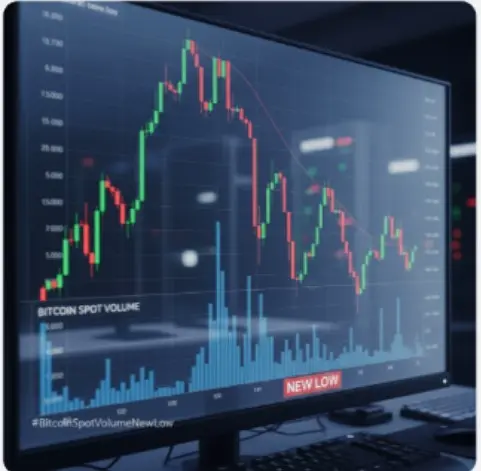
#BitcoinSpotVolumeNewLow
Bitcoin spot trading volume has dropped to extremely low levels, and this is one of those signals the market usually doesn’t ignore.
Recent data shows that spot volume has fallen to its lowest level since October 2023, with daily activity slipping below the $8 billion range across major exchanges. At the same time, overall crypto spot trading volume declined sharply through Q1 2026, dropping more than 39%, confirming that this is not just a short-term dip but part of a broader slowdown.
What makes this situation important is not just the number itself, but what it r
BTC2.19%
post-image
post-image
  • Reward
  • 6
  • 2
  • Share
ybaser:
2026 GOGOGO 👊
View More
#OilBreaks110
Oil breaking above $110 is not just a price move, it’s a global macro shock that is now feeding directly into inflation, central bank policy, and risk assets across the board.
Crude has pushed and held above the $110 level as supply disruptions intensify, mainly بسبب ongoing geopolitical conflict in the Middle East. The situation around the Strait of Hormuz is the key trigger, because this single route handles a massive portion of global oil shipments. With blockades and tensions still unresolved, supply is being choked while demand remains stable, creating a powerful imbalance
post-image
post-image
  • Reward
  • 6
  • Repost
  • Share
ybaser:
2026 GOGOGO 👊
View More
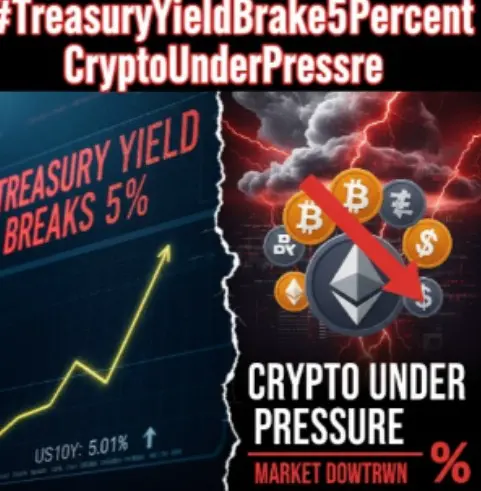
#TreasuryYieldBreaks5PercentCryptoUnderPressure
The break above 5% in U.S. Treasury yields is not just another macro headline, it’s a major shift in the global financial environment, and crypto is feeling the pressure almost immediately.
The 30-year Treasury yield has now climbed to around 5%, marking one of the highest levels seen in recent years. This level matters because it represents a psychological and financial threshold where traditional finance starts competing aggressively with risk assets like crypto.
At the core of this move is a mix of persistent inflation, elevated oil prices,
BTC2.19%
post-image
post-image
  • Reward
  • 4
  • Repost
  • Share
ybaser:
2026 GOGOGO 👊
View More
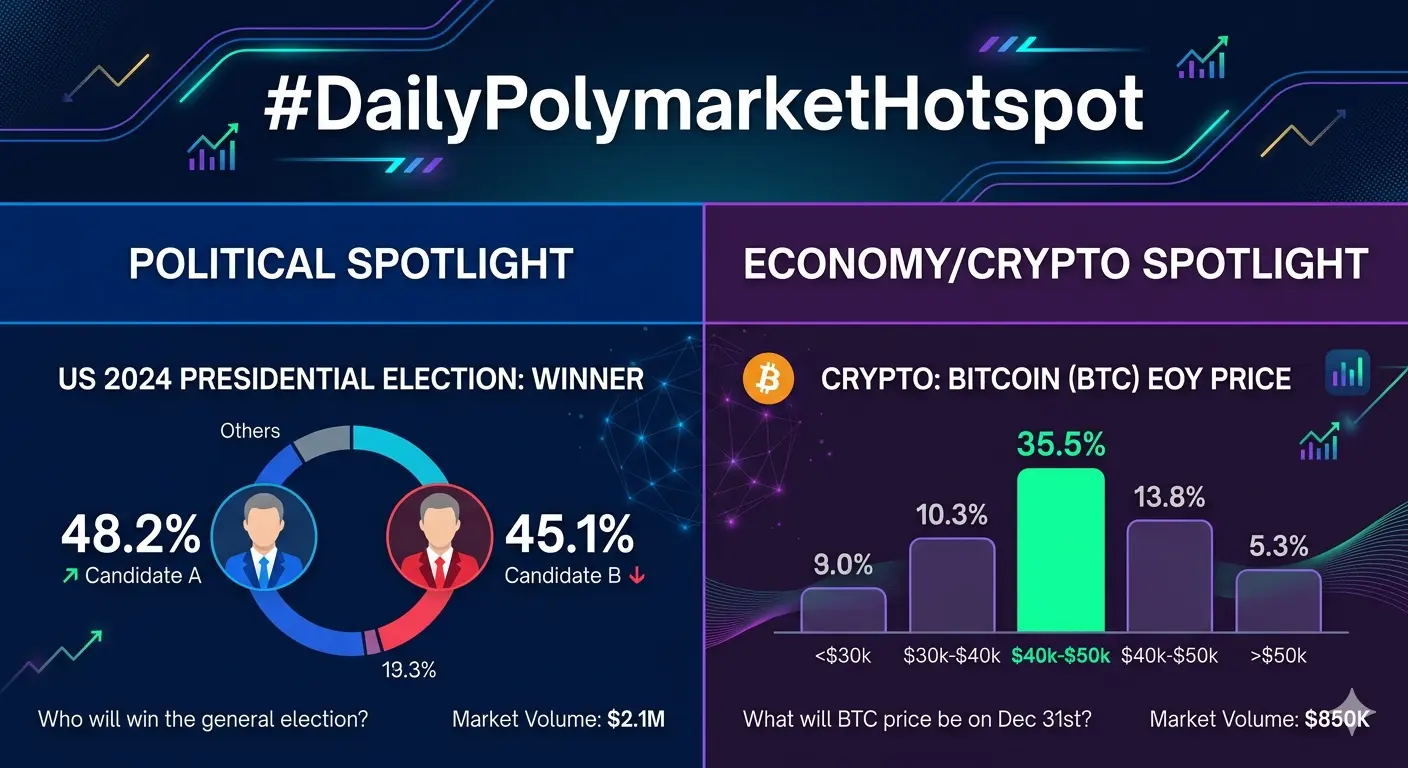
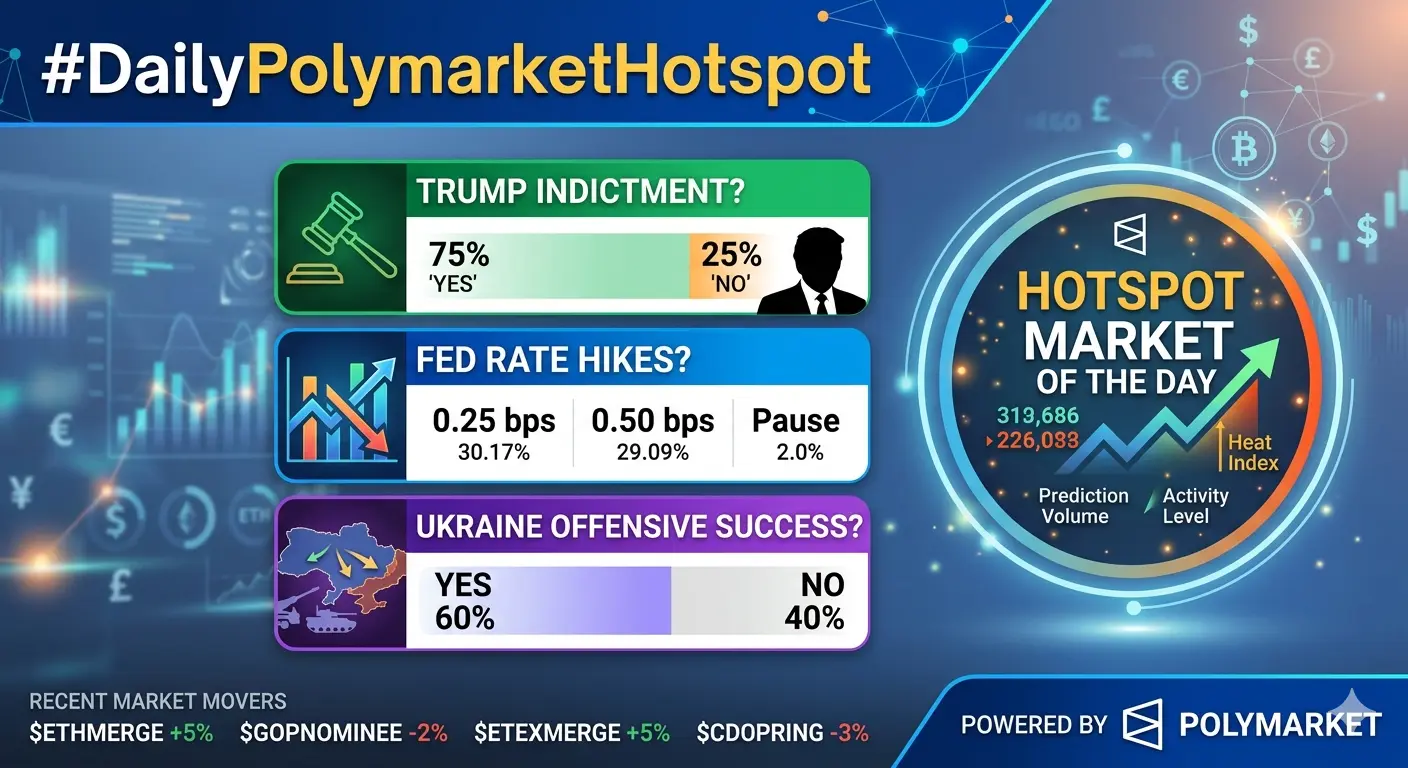
#DailyPolymarketHotspot
Prediction markets continue to show exactly what real money sentiment looks like, and today’s activity on Polymarket highlights a mix of macro caution, short-term trading aggression, and surprisingly calm expectations for major global events.
One of the most talked-about markets right now is the “Nothing Ever Happens” scenario for May, where traders are assigning roughly a 70%+ probability that no major global shock will occur this month. This reflects a broader market belief that despite ongoing geopolitical tensions and economic uncertainty, no single defining event
BTC2.19%
post-image
  • Reward
  • 5
  • Repost
  • Share
CryptoDiscovery:
good information for sharing 💯
View More
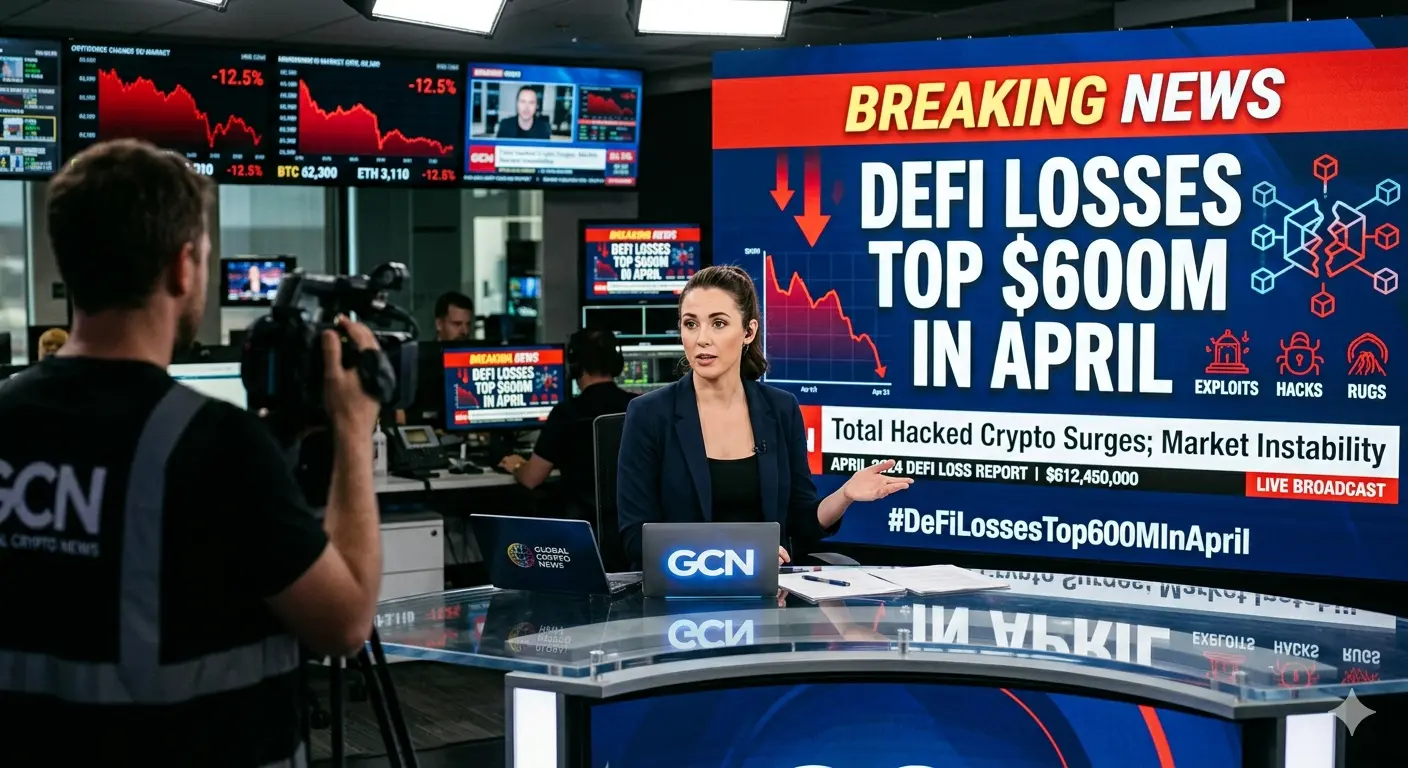
#DeFiLossesTop600MInApril
April has turned into one of the darkest months for decentralized finance, with total losses crossing the $600 million mark and exposing deep structural risks across the ecosystem. What makes this situation more alarming is not just the size of the losses, but the pattern behind them.
Data shows that more than $600 million was drained from DeFi protocols in April alone, with over 20 separate incidents recorded, making it one of the most active months ever for hacks and exploits . In just the first few weeks, losses had already crossed $606 million, highlighting how q
DRIFT-3.88%
post-image
post-image
  • Reward
  • 5
  • Repost
  • Share
ybaser:
To The Moon 🌕
View More
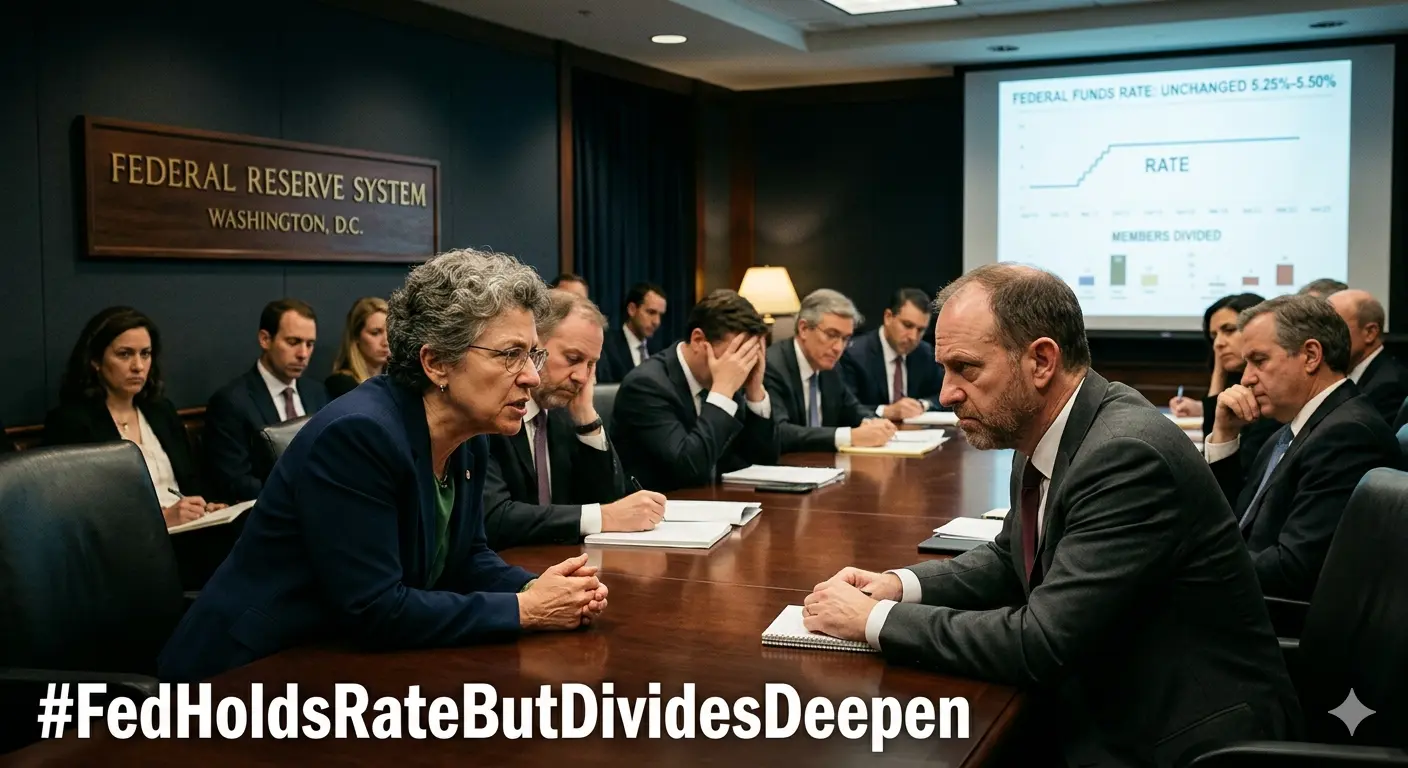
#FedHoldsRateButDividesDeepen
The Federal Reserve has once again chosen to hold interest rates steady, but the decision itself is only part of the story. What is becoming increasingly clear is that divisions within the Fed are growing deeper, and those internal disagreements may shape the direction of markets far more than the rate pause itself.
On one side, several policymakers remain focused on inflation, which despite cooling from its peak, is still not fully aligned with the Fed’s long-term target. These officials argue that easing too early could risk a resurgence in price pressures, for
post-image
post-image
  • Reward
  • 4
  • Repost
  • Share
ybaser:
2026 GOGOGO 👊
View More
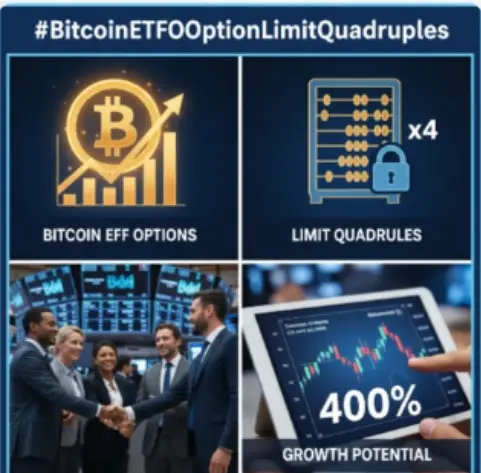
#BitcoinETFOptionLimitQuadruples
The SEC has just approved a major expansion for Bitcoin ETF options trading, and this signals a significant maturation of the crypto derivatives landscape.
Nasdaq ISE successfully petitioned to increase the position and exercise limits for options on BlackRock's iShares Bitcoin Trust ETF from 250,000 contracts to 1 million contracts. This fourfold increase places IBIT options on par with the most liquid equity derivatives in traditional markets, comparable to Apple, NVIDIA, or the SPDR S&P 500 ETF.
The rationale behind this move is straightforward: institution
BTC2.19%
post-image
post-image
  • Reward
  • 7
  • Repost
  • Share
ybaser:
To The Moon 🌕
View More
#USSeeksStrategicBitcoinReserve
The United States is making a historic pivot toward treating Bitcoin as a strategic reserve asset, a move that fundamentally alters the global perception of digital currency. In March 2025, President Trump signed an executive order establishing the Strategic Bitcoin Reserve, converting approximately 328,372 BTC already held by the government from criminal seizures into a permanent reserve asset. The policy explicitly prohibits selling these holdings, effectively treating Bitcoin as digital gold rather than a speculative instrument.
This is not merely symbolic.
BTC2.19%
post-image
  • Reward
  • 6
  • Repost
  • Share
ybaser:
2026 GOGOGO 👊
View More
#WCTCTradingKingPK
The WCTC S8 Global Trading Competition is now in full swing as part of Gate's 13th Anniversary celebration. This season brings a massive upgrade with multiple competition formats and a prize pool that scales up to 8 million USDT based on participation.
The competition runs from April 23 to May 20, 2026, featuring Team Competition, Individual Competition, 1v1 Champion PK battles, Mystery Box Chests, and Cash Chest rewards. What makes this season stand out is the dynamic prize pool structure - the more traders who join and become valid participants, the bigger the rewards bec
BTC2.19%
GT-0.27%
post-image
post-image
  • Reward
  • 4
  • Repost
  • Share
MrFlower_XingChen:
To The Moon 🌕
View More
BitMine keeps accumulating! Buys another 20,000 ETH and stakes o
830 views
2026-05-01 03:31
  • Reward
  • 1
  • Repost
  • Share
MasterChuTheOldDemonMasterChu:
Steadfast HODL💎
  • Pin