



✨ How AI is Transforming Crypto Investor Behavior: A Journey from Atari to AI Agents ✨
✨🔹
🔹 My Personal Technology and Investment Journey
As a crypto investor, I remember my journey starting in the late 80s with simple consoles like Atari and Commodore 64. Back then, investing meant newspaper coupons, broker phone calls, and hand-drawn charts. Our decisions were based on emotions, hearsay, and hours of manual analysis in front of a screen. Today, thanks to the smartphone in my pocket, the AI-powered computer on my desk, and even voice-command AI devices, on-chain data, social sentiment analysis, and real-time risk modeling are presented to me in seconds. These technologies, which until recently seemed like science fiction, are now our daily reality. This dizzying change has fundamentally transformed not only our devices but also our investment habits, attitudes, and decision-making mechanisms.
✨🔹
🔹 The Transition from Traditional Investor Habits to AI-Powered Behavior
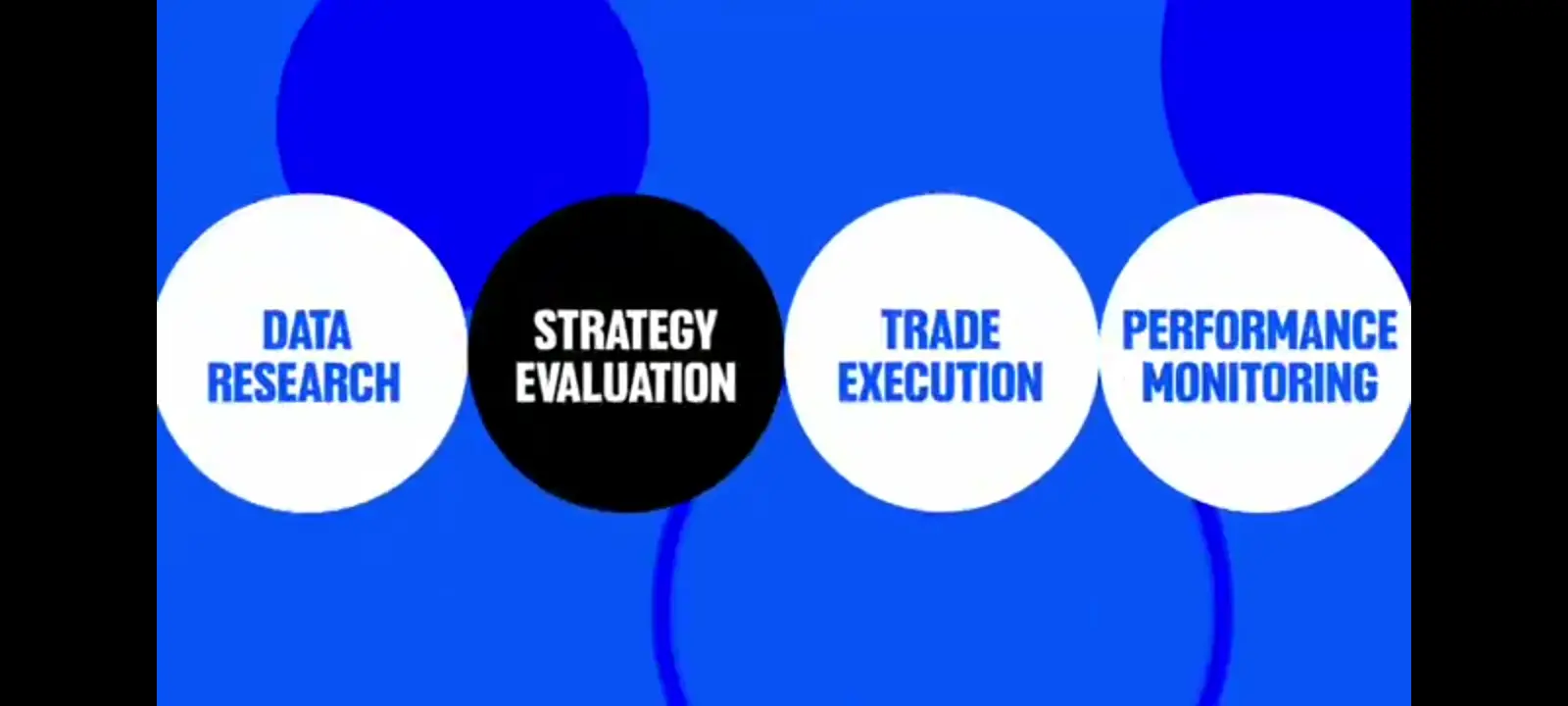
Previously, traditional investors acted according to emotional cycles: hasty buying with FOMO, panic selling with FUD. Our tools were limited; weekly reports for fundamental analysis, charts for technical analysis. Today, AI is breaking this cycle. By 2026, AI-powered trading bots will manage a large portion of global crypto trading volume and, in some models, provide returns of up to 85% annually. Research shows that when access to GenAI tools like ChatGPT is restricted, investors gravitate towards less diversified, more popular assets, and the tendency to open new positions decreases. AI, however, radically reduces computing costs, creating the opposite effect: trading across a wider range of assets, avoiding emotional errors, and implementing disciplined "take profit - stop loss" practices. Investors like myself now use AI agents' automated rebalancing, whale movement detection, and narrative recognition instead of manual tracking.
✨🔹
🔹 Current Data and its Impact on the Crypto Market in 2026
This year, the AI-crypto intersection exploded. AI agents can create smart contracts and transact among themselves; the machine-to-machine economy, which we call "agent commerce," is gaining speed on the blockchain. Platforms like Token Metrics offer coin ratings, sentiment maps, and portfolio optimization with 80+ data points. Research confirms that AI outperforms manual traders by 15-25%, especially during volatile periods. On the other hand, there is also the risk of an AI bubble: the hype of 2025 may bring a correction in 2026, and this could also affect crypto due to its positive correlation with Bitcoin. However, in the long term, AI makes markets more efficient; liquidity increases, information asymmetry decreases, and retail investors gain access to institutional-level tools.
✨🔹
🔹 Short and Long-Term Projection
In the short term, AI protects investors from emotional reactions during sudden news flows and geopolitical shocks (such as the Strait of Hormuz crisis). However, over-reliance creates new risks: “black box” decisions and the algorithm swarm effect. In the long term, AI integration strengthens the bull cycle. The AI-crypto sector reached $45 billion USD in 2025; it will grow exponentially in 2026 with autonomous agents managing capital. As I've seen on my journey, technology is democratizing everything: analytics that were once only accessible to large funds are now in everyone's pocket. Ultimately, markets are more transparent, but human oversight is still indispensable.
✨🔹
🔹 Practical Advice and Conclusion
Use AI as a tool, not as a master. Test the best AI platforms (on-chain + sentiment + technical), backtest your strategies, and always leave 20-30% human oversight. Minimize emotional decisions, manage positions according to your risk tolerance. My biggest takeaway from this journey from Atari to AI was this: Technology has changed, but discipline and patience are still the most powerful alpha sources.
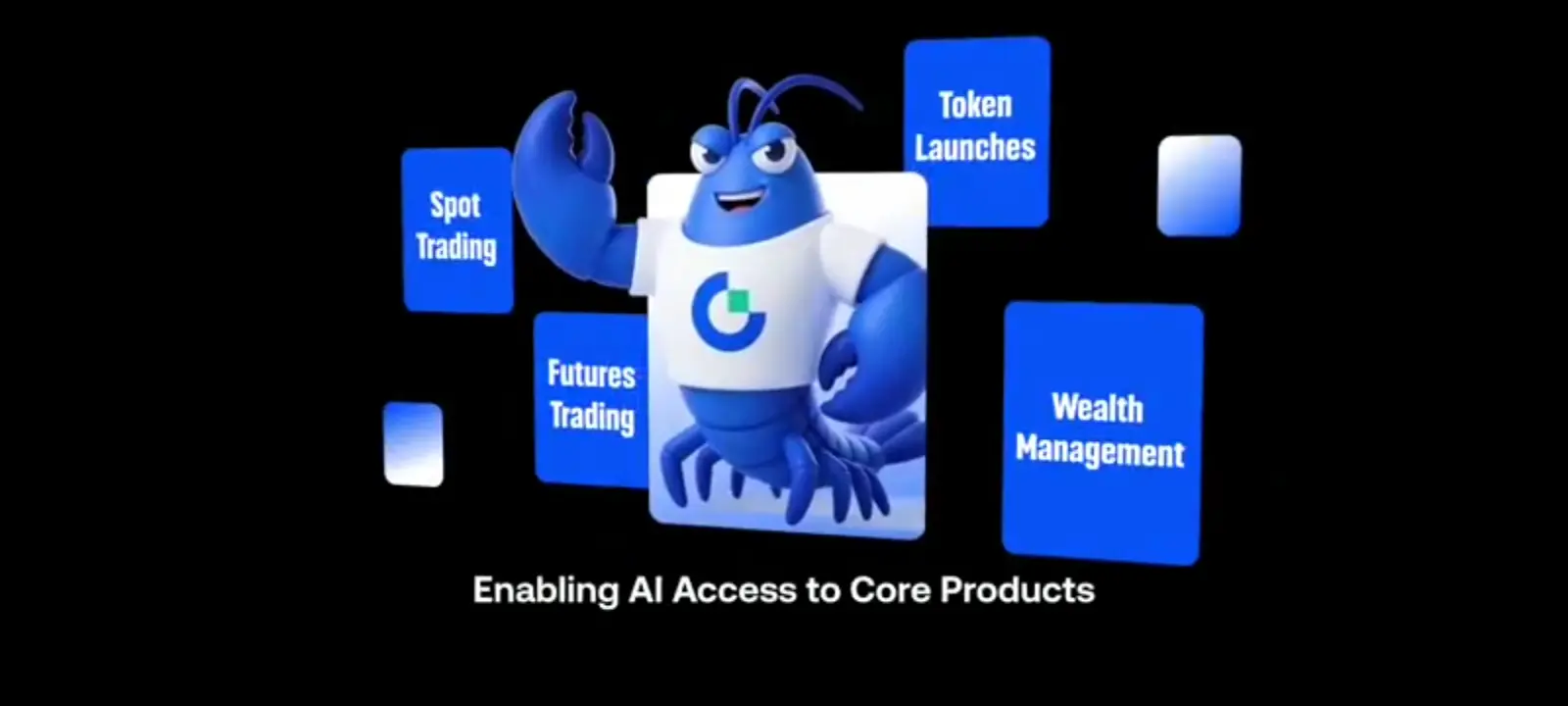
Definitely try Gate AI 👌
Do your own research (DYOR), good luck!
#Gate13thAnniversary
#CryptoCommunity
#CreatorCarnival
#GateSquare
✨🔹
🔹 My Personal Technology and Investment Journey
As a crypto investor, I remember my journey starting in the late 80s with simple consoles like Atari and Commodore 64. Back then, investing meant newspaper coupons, broker phone calls, and hand-drawn charts. Our decisions were based on emotions, hearsay, and hours of manual analysis in front of a screen. Today, thanks to the smartphone in my pocket, the AI-powered computer on my desk, and even voice-command AI devices, on-chain data, social sentiment analysis, and real-time risk modeling are presented to me in seconds. These technologies, which until recently seemed like science fiction, are now our daily reality. This dizzying change has fundamentally transformed not only our devices but also our investment habits, attitudes, and decision-making mechanisms.
✨🔹
🔹 The Transition from Traditional Investor Habits to AI-Powered Behavior
Previously, traditional investors acted according to emotional cycles: hasty buying with FOMO, panic selling with FUD. Our tools were limited; weekly reports for fundamental analysis, charts for technical analysis. Today, AI is breaking this cycle. By 2026, AI-powered trading bots will manage a large portion of global crypto trading volume and, in some models, provide returns of up to 85% annually. Research shows that when access to GenAI tools like ChatGPT is restricted, investors gravitate towards less diversified, more popular assets, and the tendency to open new positions decreases. AI, however, radically reduces computing costs, creating the opposite effect: trading across a wider range of assets, avoiding emotional errors, and implementing disciplined "take profit - stop loss" practices. Investors like myself now use AI agents' automated rebalancing, whale movement detection, and narrative recognition instead of manual tracking.
✨🔹
🔹 Current Data and its Impact on the Crypto Market in 2026
This year, the AI-crypto intersection exploded. AI agents can create smart contracts and transact among themselves; the machine-to-machine economy, which we call "agent commerce," is gaining speed on the blockchain. Platforms like Token Metrics offer coin ratings, sentiment maps, and portfolio optimization with 80+ data points. Research confirms that AI outperforms manual traders by 15-25%, especially during volatile periods. On the other hand, there is also the risk of an AI bubble: the hype of 2025 may bring a correction in 2026, and this could also affect crypto due to its positive correlation with Bitcoin. However, in the long term, AI makes markets more efficient; liquidity increases, information asymmetry decreases, and retail investors gain access to institutional-level tools.
✨🔹
🔹 Short and Long-Term Projection
In the short term, AI protects investors from emotional reactions during sudden news flows and geopolitical shocks (such as the Strait of Hormuz crisis). However, over-reliance creates new risks: “black box” decisions and the algorithm swarm effect. In the long term, AI integration strengthens the bull cycle. The AI-crypto sector reached $45 billion USD in 2025; it will grow exponentially in 2026 with autonomous agents managing capital. As I've seen on my journey, technology is democratizing everything: analytics that were once only accessible to large funds are now in everyone's pocket. Ultimately, markets are more transparent, but human oversight is still indispensable.
✨🔹
🔹 Practical Advice and Conclusion
Use AI as a tool, not as a master. Test the best AI platforms (on-chain + sentiment + technical), backtest your strategies, and always leave 20-30% human oversight. Minimize emotional decisions, manage positions according to your risk tolerance. My biggest takeaway from this journey from Atari to AI was this: Technology has changed, but discipline and patience are still the most powerful alpha sources.
Definitely try Gate AI 👌
Do your own research (DYOR), good luck!
#Gate13thAnniversary
#CryptoCommunity
#CreatorCarnival
#GateSquare