


Futures
Access hundreds of perpetual contracts
TradFi
Gold
One platform for global traditional assets
Options
Hot
Trade European-style vanilla options
Unified Account
Maximize your capital efficiency
Demo Trading
Introduction to Futures Trading
Learn the basics of futures trading
Futures Events
Join events to earn rewards
Demo Trading
Use virtual funds to practice risk-free trading
Launch
CandyDrop
Collect candies to earn airdrops
Launchpool
Quick staking, earn potential new tokens
HODLer Airdrop
Hold GT and get massive airdrops for free
Launchpad
Be early to the next big token project
Alpha Points
Trade on-chain assets and earn airdrops
Futures Points
Earn futures points and claim airdrop rewards


More



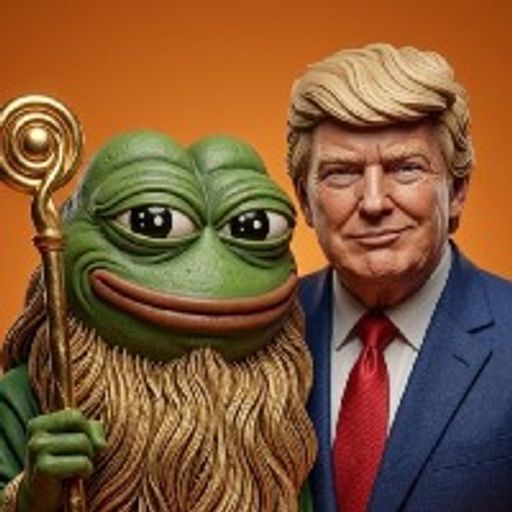

#TrumpHostsTRUMPTokenHoldersLunch
The intersection of politics and cryptocurrency continues to generate headlines, and the latest development has added a new dimension to this evolving relationship.
Reports circulating across social media and crypto communities suggest that former U.S. President Donald Trump recently hosted a special lunch event for holders of the TRUMP-themed cryptocurrency token. The gathering has quickly sparked conversations about the growing role of digital assets in political branding and community engagement.
The event, widely referred to online as #TrumpHostsTRUMPTokenHoldersLunch, highlights how political figures are increasingly exploring innovative ways to connect with supporters in the digital age. According to discussions within the crypto community, the lunch was designed as a unique opportunity for token holders to interact with like-minded supporters while celebrating the growing popularity of politically themed digital assets.
Cryptocurrency-based communities have become powerful online ecosystems where investors, enthusiasts, and supporters gather around shared interests. In this case, the TRUMP token has developed a niche following among individuals who combine political enthusiasm with an interest in blockchain technology. Hosting an exclusive event for token holders appears to be a strategic move aimed at strengthening that community bond.
Events like this also demonstrate how digital tokens are being used beyond traditional financial purposes. In many blockchain projects, tokens can grant access to special privileges, such as exclusive events, governance participation, or unique online experiences. The idea of linking token ownership to real-world gatherings reflects a broader trend in the Web3 space, where digital assets can unlock membership-style benefits.
Supporters of the concept argue that it represents a creative example of how blockchain technology can build new types of communities. By connecting digital ownership with offline interaction, token-based ecosystems may create stronger engagement among participants. Some enthusiasts believe that similar models could be adopted by other public figures, influencers, or organizations seeking to create more interactive supporter networks.
However, the concept has also raised questions and sparked debate among observers. Critics argue that mixing political influence with cryptocurrency promotions could blur important boundaries between financial speculation and political engagement. Others have expressed concerns about the volatility of meme-style tokens and the risks faced by inexperienced investors entering the space.
Despite these concerns, the event has undeniably captured public attention. The crypto market has seen a surge of politically themed tokens in recent years, reflecting how blockchain culture often intersects with internet trends, social movements, and public personalities. Whether these tokens evolve into long-term ecosystems or remain short-term trends is still uncertain.
What is clear, however, is that the relationship between politics, branding, and blockchain technology continues to evolve rapidly.
The #TrumpHostsTRUMPTokenHoldersLunch event illustrates how digital assets are increasingly becoming part of broader cultural and political conversations.
As cryptocurrency adoption expands globally, events like this may become more common, blending online communities with real-world engagement. For both supporters and critics, it serves as another example of how blockchain technology is reshaping the ways people organize, connect, and express their identities in the modern digital era.