



















Only 6 Times a Year – Analysis
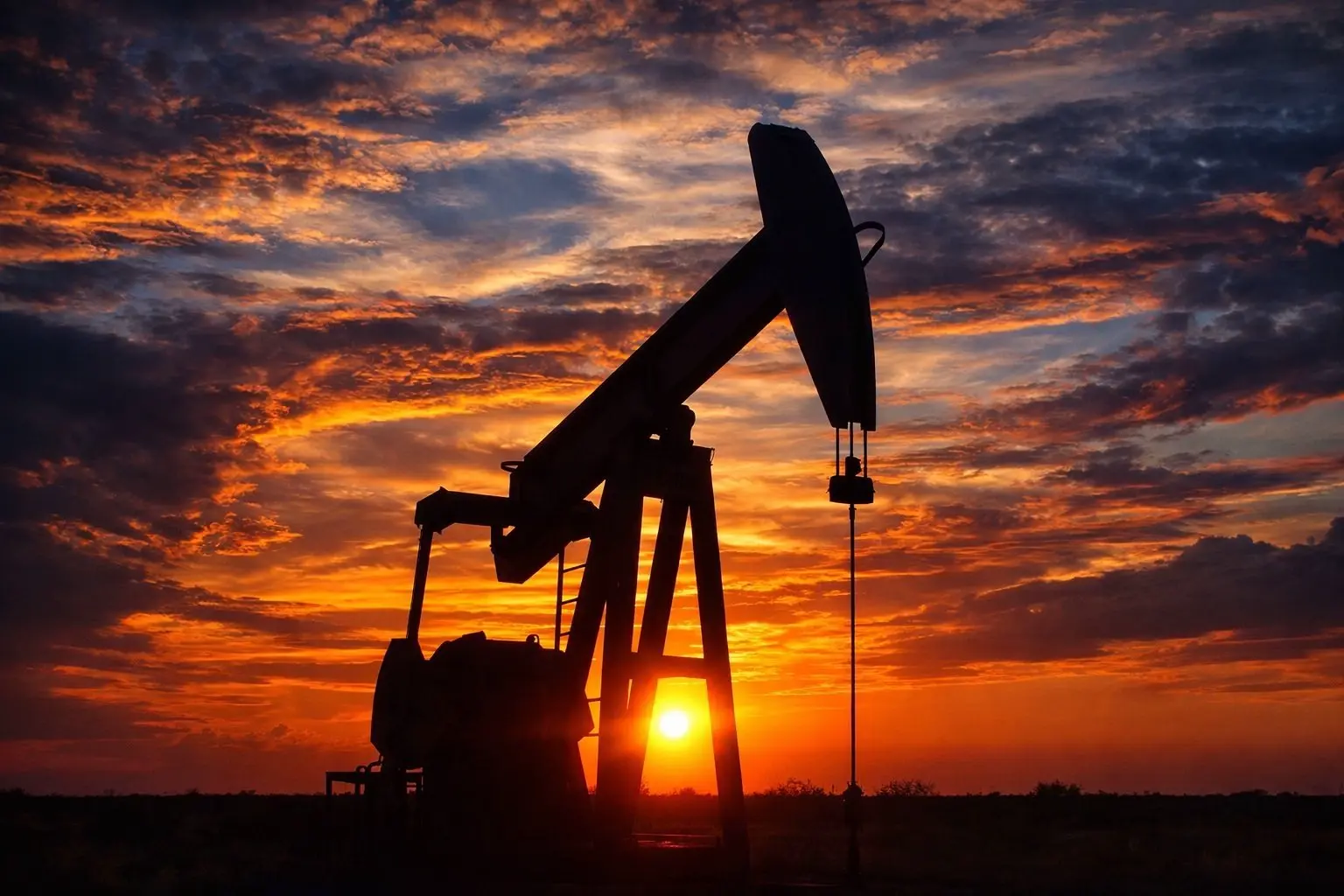
The International Energy Agency (IEA) was established in 1974 following the 1973 Arab oil embargo. Its main mission is to enable member countries (currently 32 developed economies) to act in a coordinated manner in emergencies. Each member is required to hold a strategic oil reserve of at least 90 days' worth of the previous year's net imports. Today, IEA members hold a total of 1.2 billion barrels of public emergency reserves + 600 million barrels of industrial mandatory reserves. These reserves are not used for "price control," but rather to bridge short-term supply disruptions and prevent panic. The IEA's "collective action" mechanism is very rarely activated. Since its establishment (as of March 2026), it has only been used 6 times. Here is a chronological history:
1. 1991 – Gulf War (Iraq's invasion of Kuwait)
2. 2005 – Hurricanes Katrina and Rita
3. 2011 – Libyan Civil War
4 & 5. 2022 – Russia-Ukraine War (two separate actions in March and April)
6. 2026 – Iran War and Strait of Hormuz Crisis (March 11, 2026)
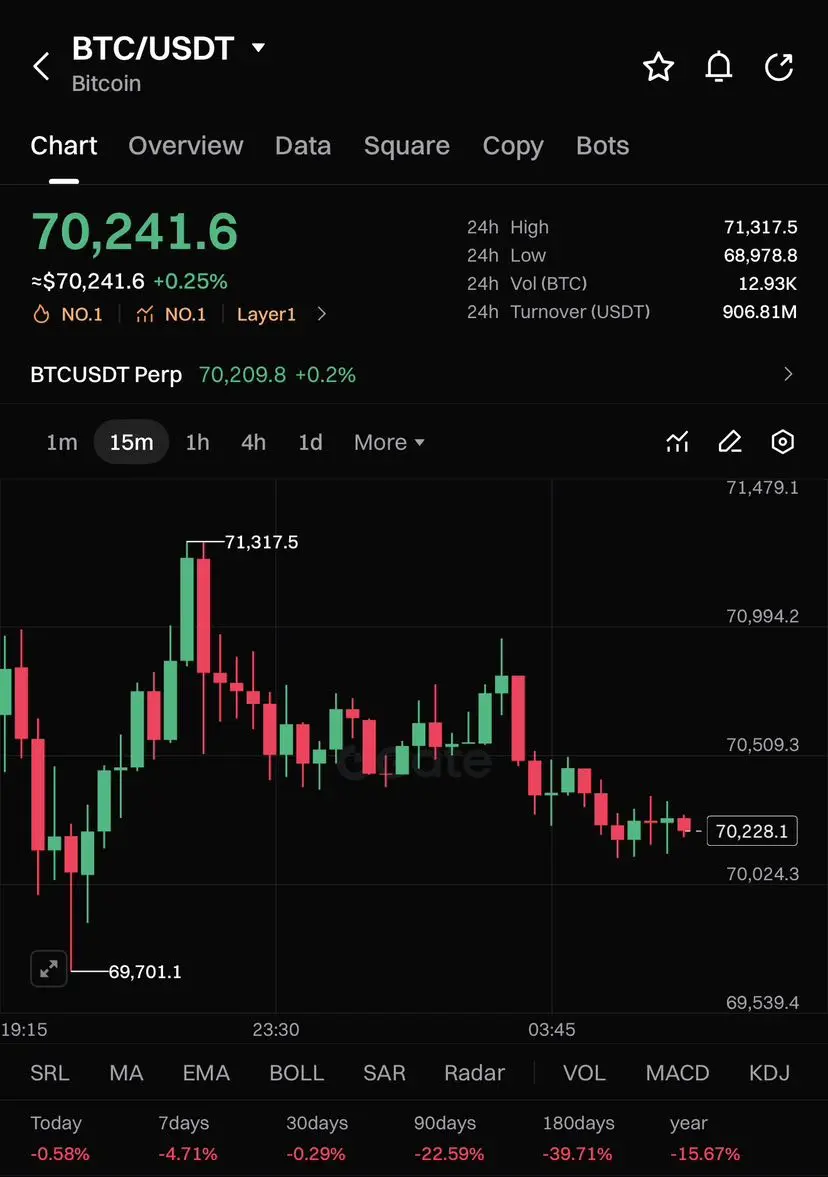
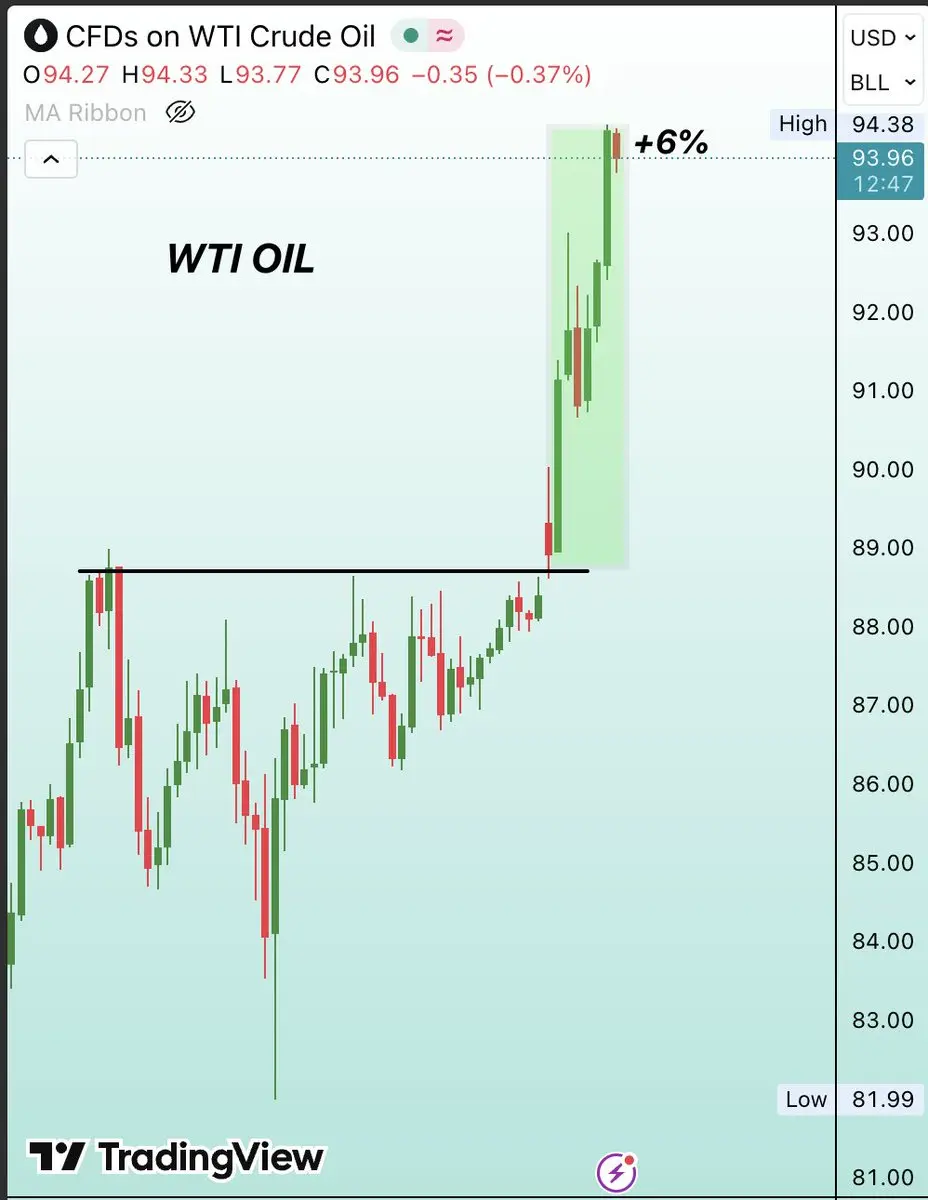
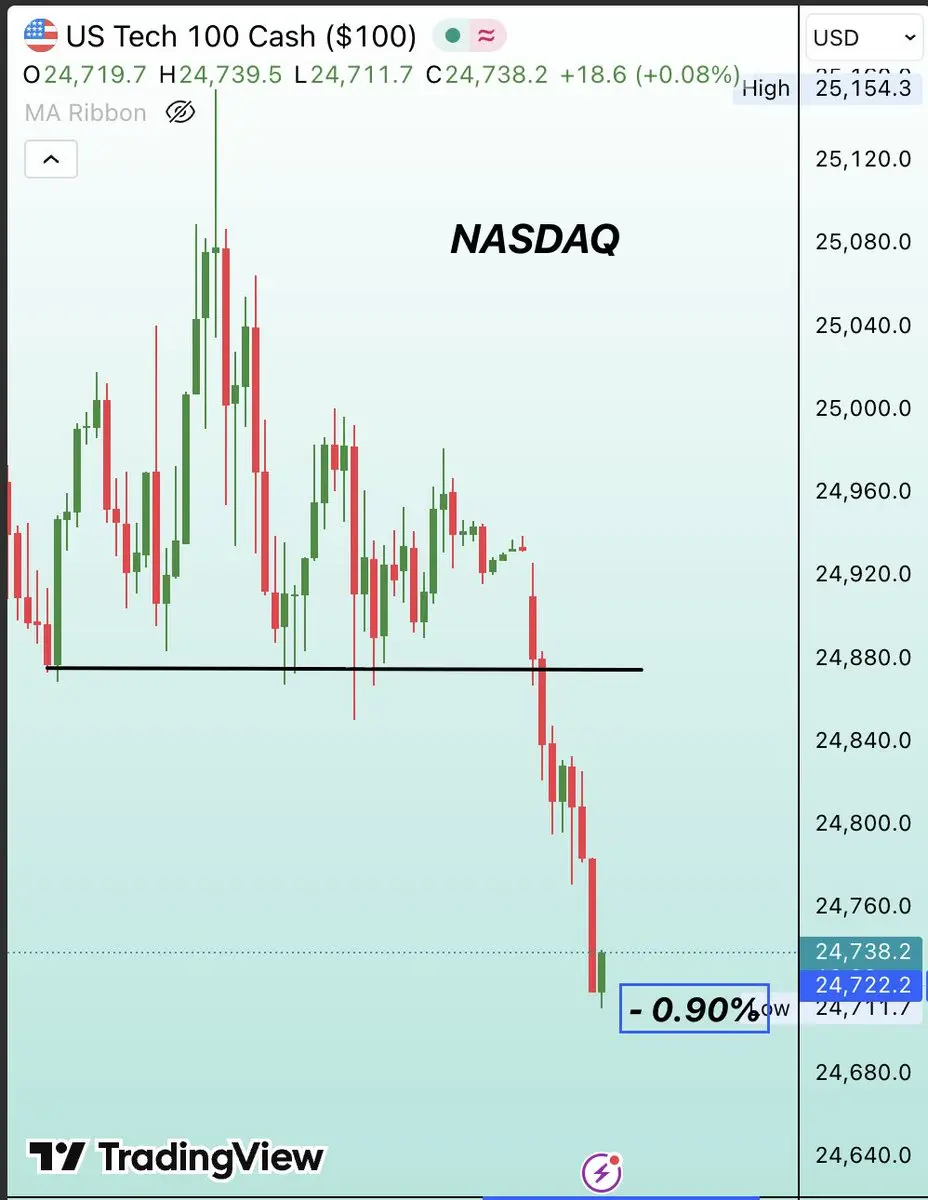
🕵️ The IEA reserve release is a "last resort" weapon. Its use six times in 50 years demonstrates its exceptional nature. With the 2026 action, the system's capacity and stability reached a new peak. However, while these interventions protect energy security in the short term, the long-term solution lies in a green energy transition and diversification. Note for crypto investors: Such macro shocks rapidly change interest rate expectations. If history repeats itself, the 2026 release could also trigger a risk-on environment. Stay tuned – because the IEA has only struck for the sixth time, and this time they've dealt it their hardest blow yet.
#IEAProposesStrategicOilReserveRelease
The International Energy Agency (IEA) was established in 1974 following the 1973 Arab oil embargo. Its main mission is to enable member countries (currently 32 developed economies) to act in a coordinated manner in emergencies. Each member is required to hold a strategic oil reserve of at least 90 days' worth of the previous year's net imports. Today, IEA members hold a total of 1.2 billion barrels of public emergency reserves + 600 million barrels of industrial mandatory reserves. These reserves are not used for "price control," but rather to bridge short-term supply disruptions and prevent panic. The IEA's "collective action" mechanism is very rarely activated. Since its establishment (as of March 2026), it has only been used 6 times. Here is a chronological history:
1. 1991 – Gulf War (Iraq's invasion of Kuwait)
2. 2005 – Hurricanes Katrina and Rita
3. 2011 – Libyan Civil War
4 & 5. 2022 – Russia-Ukraine War (two separate actions in March and April)
6. 2026 – Iran War and Strait of Hormuz Crisis (March 11, 2026)
🕵️ The IEA reserve release is a "last resort" weapon. Its use six times in 50 years demonstrates its exceptional nature. With the 2026 action, the system's capacity and stability reached a new peak. However, while these interventions protect energy security in the short term, the long-term solution lies in a green energy transition and diversification. Note for crypto investors: Such macro shocks rapidly change interest rate expectations. If history repeats itself, the 2026 release could also trigger a risk-on environment. Stay tuned – because the IEA has only struck for the sixth time, and this time they've dealt it their hardest blow yet.
#IEAProposesStrategicOilReserveRelease




 :
: