


Futures
Access hundreds of perpetual contracts
TradFi
Gold
One platform for global traditional assets
Options
Hot
Trade European-style vanilla options
Unified Account
Maximize your capital efficiency
Demo Trading
Futures Kickoff
Get prepared for your futures trading
Futures Events
Join events to earn rewards
Demo Trading
Use virtual funds to experience risk-free trading
Launch
CandyDrop
Collect candies to earn airdrops
Launchpool
Quick staking, earn potential new tokens
HODLer Airdrop
Hold GT and get massive airdrops for free
Launchpad
Be early to the next big token project
Alpha Points
Trade on-chain assets and earn airdrops
Futures Points
Earn futures points and claim airdrop rewards





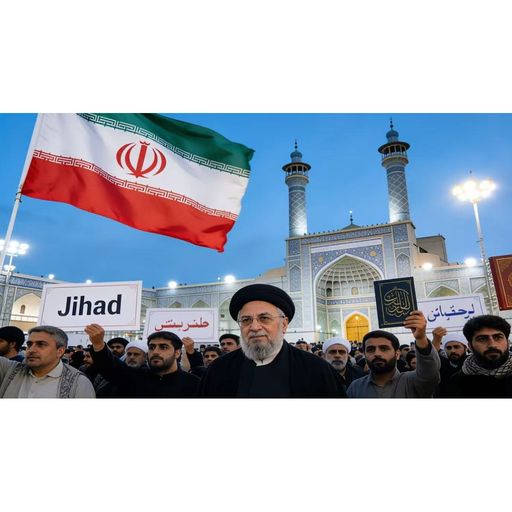

Iranian Nuclear Diplomacy Faces Closure of Critical Negotiation Window
Iran’s nuclear program situation has once again reached a critical point. Rafael Grossi, Director General of the International Atomic Energy Agency (IAEA), issued a strong warning that U.S. military escalation in the Middle East poses a significant risk: closing the remaining channels of international dialogue to resolve Iran’s nuclear dispute. Grossi’s statement reflects deep concern that the shrinking diplomatic window could close entirely.
Military Power Concentration Threatens Negotiation Table
U.S. military strengthening in the Middle East is not just a tactical move—according to Grossi, this step directly threatens the continuation of multilateral diplomatic efforts. As the sound of weapons grows louder, the tone at the negotiation table tends to become quieter. Grossi warned that if this momentum continues, the prospects for reaching a concrete agreement on Iran’s nuclear activities will become increasingly slim.
Geneva Meeting: Critical Site Inspection Negotiations
Last month, Grossi held a six-hour meeting with Iran’s Foreign Minister, Abbas Araghchi, in Geneva to discuss specific proposals: inspections of sites bombed by Israeli and U.S. forces last year. Independent inspections of these sites are vital for the IAEA to verify the credibility of Iran’s nuclear program. However, the prospects for an agreement still leave many questions unanswered.
The Crisis Clock Continues to Ticktock
During the meeting, Grossi did not hide the urgent time pressure: “Time is running out, but we are still striving to reach a substantial agreement.” This phrase is not just diplomatic rhetoric—it’s a tangible manifestation of the limited time remaining for dialogue before the diplomatic window fully closes. The IAEA has proposed several mechanisms to navigate existing obstacles.
The Stakes: Regional Stability and Nuclear Deal
Failure to reach consensus on Iran’s nuclear program is not just a technical verification issue. It concerns overall regional stability, the credibility of international inspection regimes, and the potential escalation of conflicts. With military escalation ongoing, the chances of building trust and breaking diplomatic deadlock are shrinking. Grossi’s expressed urgency is not just a warning—it’s a final call before the opportunity for dialogue is forever closed.