

Trade
Basic
Futures
Futures
Hundreds of contracts settled in USDT or BTC
TradFi
Gold
Trade global traditional assets with USDT in one place
Options
Hot
Trade European-style vanilla options
Unified Account
Maximize your capital efficiency
Demo Trading
Futures Kickoff
Get prepared for your futures trading
Futures Events
Participate in events to win generous rewards
Demo Trading
Use virtual funds to experience risk-free trading
Earn
Launch
CandyDrop
Collect candies to earn airdrops
Launchpool
Quick staking, earn potential new tokens
HODLer Airdrop
Hold GT and get massive airdrops for free
Launchpad
Be early to the next big token project
Alpha Points
Trade on-chain assets and enjoy airdrop rewards!
Futures Points
Earn futures points and claim airdrop rewards
Investment
Simple Earn
Earn interests with idle tokens
Auto-Invest
Auto-invest on a regular basis
Dual Investment
Buy low and sell high to take profits from price fluctuations
Soft Staking
Earn rewards with flexible staking
Crypto Loan
0 Fees
Pledge one crypto to borrow another
Lending Center
One-stop lending hub
VIP Wealth Hub
Customized wealth management empowers your assets growth
Private Wealth Management
Customized asset management to grow your digital assets
Quant Fund
Top asset management team helps you profit without hassle
Staking
Stake cryptos to earn in PoS products
Smart Leverage
New
No forced liquidation before maturity, worry-free leveraged gains
GUSD Minting
Use USDT/USDC to mint GUSD for treasury-level yields

More




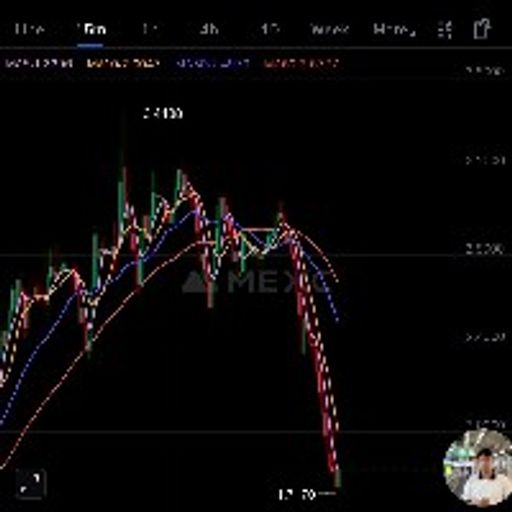

Will the trend of the last bull-bear cycle reoccur? This question has been discussed very frequently in the trading community recently.
By carefully comparing historical data, Bitcoin indeed shows similar patterns in each cycle—building momentum from the bottom, breaking through, skyrocketing, and then pulling back at the top. However, a "complete replication" is almost impossible because the structure of market participants has changed, institutional entry scales are different, and the macro environment is also evolving.
The key is to catch the rhythm. If this cycle continues with the increased holding strategy, it’s essential to understand: which stage of the cycle are we in? How are the chips distributed between institutions and retail investors? Where are the support and resistance levels?
Rather than worrying about whether it will replicate, it’s better to study the unique characteristics of this cycle—policy guidance, technological development, and capital flow. These are the true basis for formulating an increased holding plan.