

Trade
Basic
Futures
Futures
Hundreds of contracts settled in USDT or BTC
TradFi
Gold
Trade global traditional assets with USDT in one place
Options
Hot
Trade European-style vanilla options
Unified Account
Maximize your capital efficiency
Demo Trading
Futures Kickoff
Get prepared for your futures trading
Futures Events
Participate in events to win generous rewards
Demo Trading
Use virtual funds to experience risk-free trading
Earn
Launch
CandyDrop
Collect candies to earn airdrops
Launchpool
Quick staking, earn potential new tokens
HODLer Airdrop
Hold GT and get massive airdrops for free
Launchpad
Be early to the next big token project
Alpha Points
Trade on-chain assets and enjoy airdrop rewards!
Futures Points
Earn futures points and claim airdrop rewards
Investment
Simple Earn
Earn interests with idle tokens
Auto-Invest
Auto-invest on a regular basis
Dual Investment
Buy low and sell high to take profits from price fluctuations
Soft Staking
Earn rewards with flexible staking
Crypto Loan
0 Fees
Pledge one crypto to borrow another
Lending Center
One-stop lending hub
VIP Wealth Hub
Customized wealth management empowers your assets growth
Private Wealth Management
Customized asset management to grow your digital assets
Quant Fund
Top asset management team helps you profit without hassle
Staking
Stake cryptos to earn in PoS products
Smart Leverage
New
No forced liquidation before maturity, worry-free leveraged gains
GUSD Minting
Use USDT/USDC to mint GUSD for treasury-level yields

More





Is it really still possible to make money in the crypto world?
The answer is definitely yes. The key is whether you can seize this wave.
What’s in front of you now is an opportunity for the poor to turn things around and for the rich to leap across social classes.
So the question is—how can you quickly identify the trend in actual trading?
Here are some particularly practical ideas I want to share with you:
**First Trick: Look at the Big Picture**
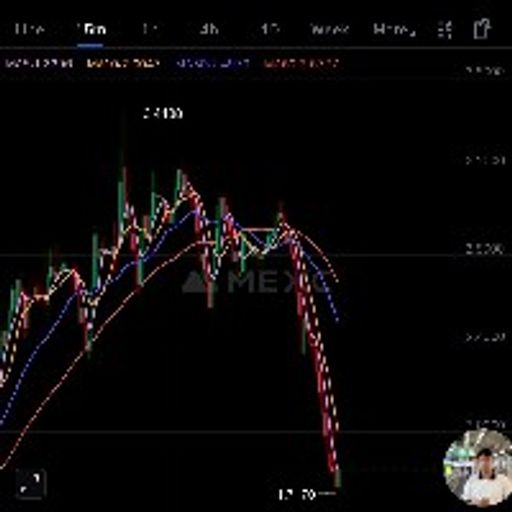
Open the candlestick chart, switch to the 1-hour timeframe, and focus on the moving averages.
If five moving averages are all rising together and the price is steadily above them, even if there’s a pullback, it doesn’t break below the lowest one—that’s a solid uptrend. Conversely, if all the moving averages are hanging low and the price is constantly below them, and rebounds can’t reach the top ones—that’s a downtrend.
What’s the most concerning? When the moving averages are tangled together, and the price jumps up and down without pattern—that’s called consolidation or sideways movement—at this point, don’t mess around.
**Second Trick: Look at the Details**
Switch to the 15-minute timeframe for a closer look.
In an uptrend, each pullback to the previous low bounces back, with higher lows—this is healthy upward movement. When the price pulls back to support levels, opportunities arise.
In a downtrend, each rebound to the previous high turns around, with lower highs. When the rebound hits resistance levels, it’s a good chance to short.
**Third Trick: Watch the Volume**
During an uptrend, if volume increases during rises and decreases during pullbacks—this indicates solid buying pressure and a stable trend.
During a downtrend, if volume increases during declines and decreases during rebounds—this shows selling pressure dominates, and the downward trend is hard to reverse.
But if volume fluctuates wildly without pattern, the trend might be about to change, so stay alert.
**Fourth Trick: Remember This**
Trends aren’t that complicated; don’t spend all day pondering “Is it about to reverse?”
As long as the major timeframe’s moving averages stay intact and the price doesn’t break key support levels, just follow the trend patiently. Predicting tops and bottoms is a common mistake among retail traders—long-term profits come from riding the trend.