


Futures
Access hundreds of perpetual contracts
TradFi
Gold
One platform for global traditional assets
Options
Hot
Trade European-style vanilla options
Unified Account
Maximize your capital efficiency
Demo Trading
Introduction to Futures Trading
Learn the basics of futures trading
Futures Events
Join events to earn rewards
Demo Trading
Use virtual funds to practice risk-free trading
Launch
CandyDrop
Collect candies to earn airdrops
Launchpool
Quick staking, earn potential new tokens
HODLer Airdrop
Hold GT and get massive airdrops for free
Launchpad
Be early to the next big token project
Alpha Points
Trade on-chain assets and earn airdrops
Futures Points
Earn futures points and claim airdrop rewards


More




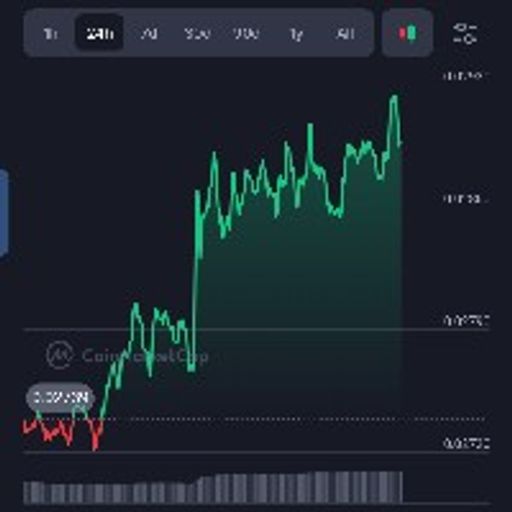

When identifying a bullish head and shoulders pattern, these details are crucial. An upward-sloping neckline often indicates that buyers are gradually gaining the upper hand, and the low point of the right shoulder being higher than that of the left shoulder suggests that selling pressure is weakening while buying interest is accumulating. The combination of these two features precisely reflects increasing enthusiasm among market participants—in other words, buyers are showing a stronger desire. Mastering these subtle pattern changes can help you more accurately capture the moment when the market shifts.
---
The angle of the neckline may seem simple, but in real trading, it’s easy to be fooled by false breakouts.
---
Is a higher right shoulder than the left shoulder necessarily indicative of buying strength accumulation? I think it also depends on trading volume.
---
Subtle pattern changes sound very professional, but I trust candlestick movements more; patterns are just for reference.
---
It's the same set of theories again, but the problem is that buyers' desire for strength ≠ the ability to push prices up; the market doesn't operate on sentiment.
---
This analysis is quite detailed, but the actual turning point often occurs after the pattern is confirmed and the price has already risen halfway.
---
I've seen many false signals in shoulder patterns; it's better to observe several cycles to confirm stability.
The moment the right shoulder is higher than the left, I basically enter the market. This pattern has been tried and tested.
Details determine success or failure. The guy's explanation really hits the point.
By the way, those who can truly intervene before the pattern reverses are rare; out of ten, maybe one survives, which is pretty good.
Wait, he mentioned buying power accumulation. Why does this seem to be the opposite of the few false breakouts I recently saw?