


Futures
Access hundreds of perpetual contracts
TradFi
Gold
One platform for global traditional assets
Options
Hot
Trade European-style vanilla options
Unified Account
Maximize your capital efficiency
Demo Trading
Introduction to Futures Trading
Learn the basics of futures trading
Futures Events
Join events to earn rewards
Demo Trading
Use virtual funds to practice risk-free trading
Launch
CandyDrop
Collect candies to earn airdrops
Launchpool
Quick staking, earn potential new tokens
HODLer Airdrop
Hold GT and get massive airdrops for free
Launchpad
Be early to the next big token project
Alpha Points
Trade on-chain assets and earn airdrops
Futures Points
Earn futures points and claim airdrop rewards


More





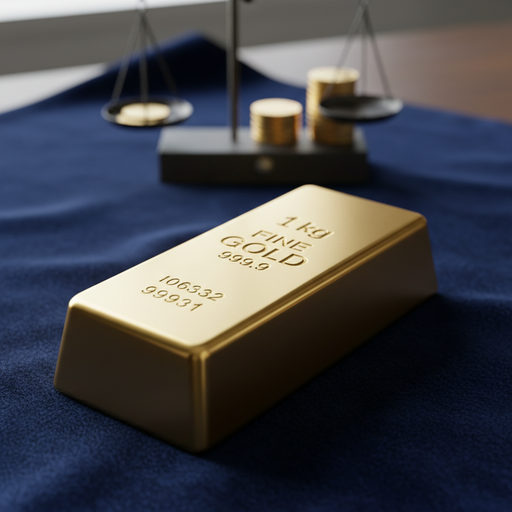
A major economy's recent gold buying spree is indeed impressive—14 consecutive months of active accumulation, which has stubbornly supported the resilience of international gold prices.
Recently, I reviewed research reports on gold from five top-tier investment banks: Goldman Sachs, JPMorgan Chase, Bank of America, UBS, and Morgan Stanley. Honestly, the level of consensus among these institutions is rare in recent years.
Their core judgment can be summarized in one sentence: the current rally in gold is far from over, and the probability suggests it will continue to rise. How are they setting their target prices?
JPMorgan Chase is the most aggressive—aiming for $5,055 per ounce by the end of 2026, and even daring to look at the $5,400 to $6,000 range in the long term. Goldman Sachs follows with a target of $4,900, while Bank of America simply sets the key round figure at $5,000. UBS is somewhat more cautious, projecting a target of $4,500–$5,000 by 2026, with an optimistic outlook also acknowledging $5,400. Even the traditionally conservative Morgan Stanley is not lagging behind, with a target of $4,800.
The main driving factors highlighted by these institutions are threefold: the Federal Reserve's rate cut cycle, ongoing pressure for dollar depreciation, and geopolitical uncertainties. When these factors combine, the appeal of safe-haven assets naturally rises accordingly.