As DeFi infrastructure has evolved from standalone protocols to aggregated trading gateways, tokenomics has shifted from being driven by liquidity to being driven by user behavior. Now, trading frequency, route selection, and asset movement have become the most essential sources of value for these platforms.
Within this context, Genius aggregates trading capabilities and liquidity from multiple blockchain networks, offering a unified interface and execution logic. The design of the GENIUS token is built around the principle that “trading equals contribution.” From an industry perspective, it not only inherits the incentive structure of traditional DeFi but also introduces more sophisticated allocation and vesting mechanisms, balancing token distribution among user growth, behavior filtering, and long-term value capture.
GENIUS Token Distribution: Season-Based Airdrop Mechanism
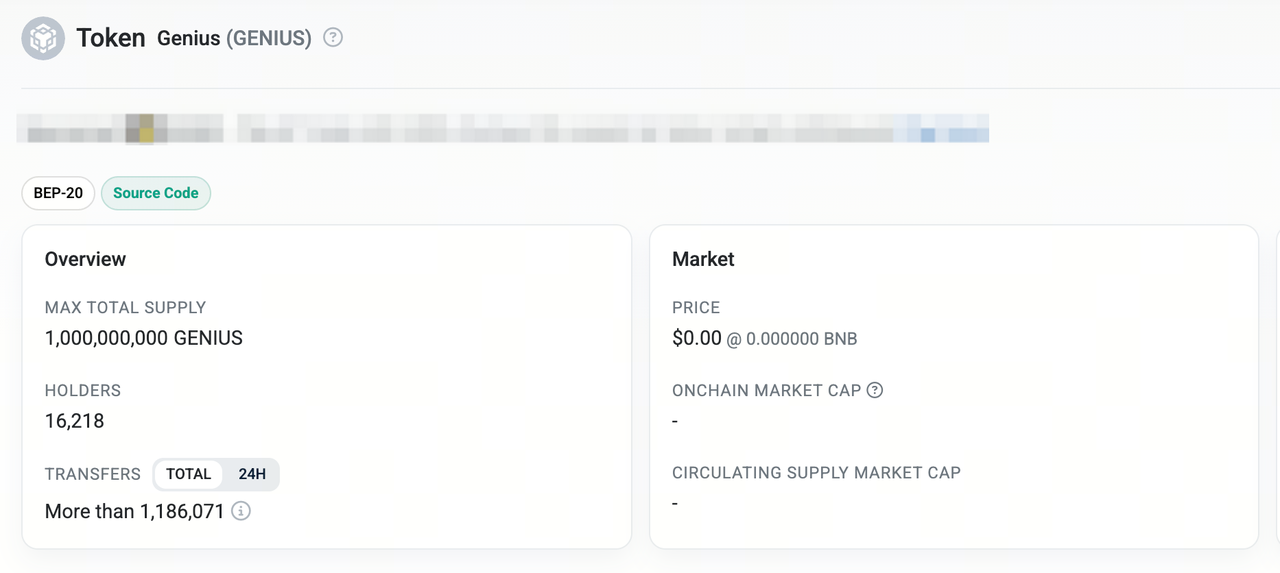
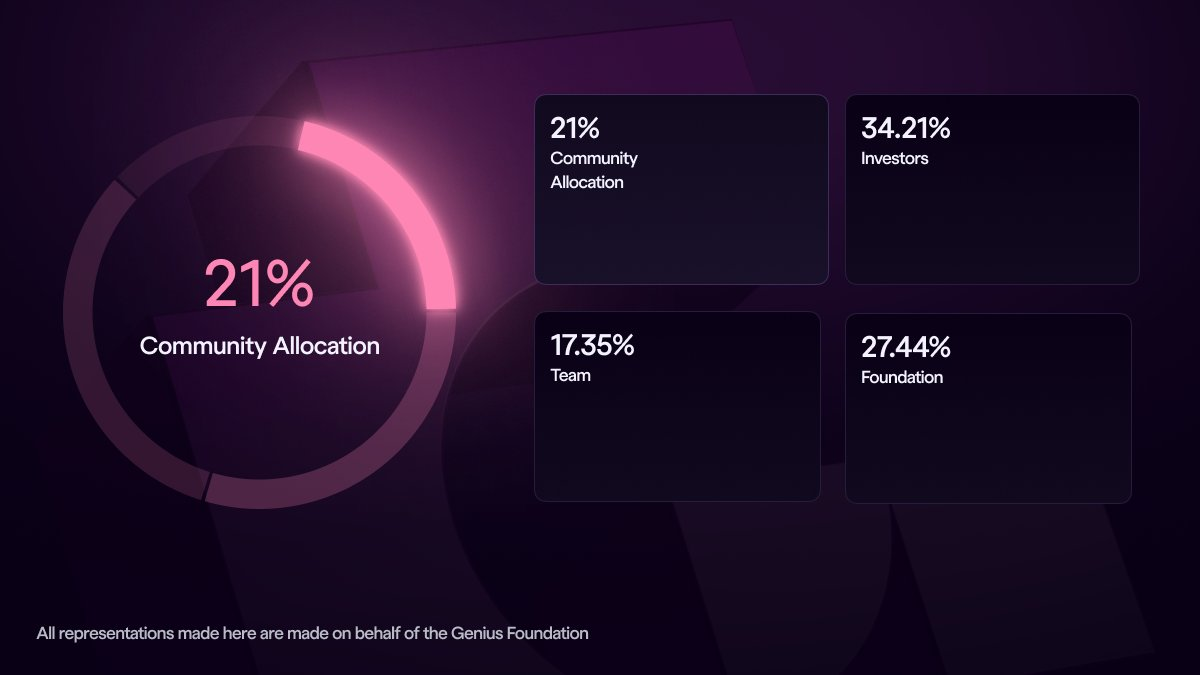
GENIUS uses a staged airdrop model for token distribution, with a total supply of 1 billion tokens. About 21% is allocated for user incentives, divided into three phases (Season 1, Season 2, Season 3), with each phase accounting for roughly 7%.
Tokens allocated to the Genius development team, Shuttle Labs, and investors are subject to a minimum one-year lock-up period.
The core purpose of this phased approach is to control the token release schedule, ensuring user growth and product development advance in tandem. Each phase may correspond to different product features or user behaviors, enabling more targeted incentive allocation.
Season 1 distributes approximately 70 million tokens, primarily to early participants. Season 2 will run from April 10 to August 10. During this period, Genius credits are earned through daily competitions and distributed weekly, with a focus on rewarding genuine traders, suppressing non-organic activity, and ensuring credits go to users who generate meaningful trading volume for the platform.
Genius Airdrop Claim Process: Instant Claim vs. Vesting Release
GENIUS introduces a “choice mechanism” in its airdrop design, allowing users to select their preferred claim method at the TGE (Token Generation Event).
The first option is “instant claim,” where users can withdraw tokens within a specified window after the TGE but must pay a higher burn fee. This provides immediate liquidity but reduces the total amount of tokens ultimately received.
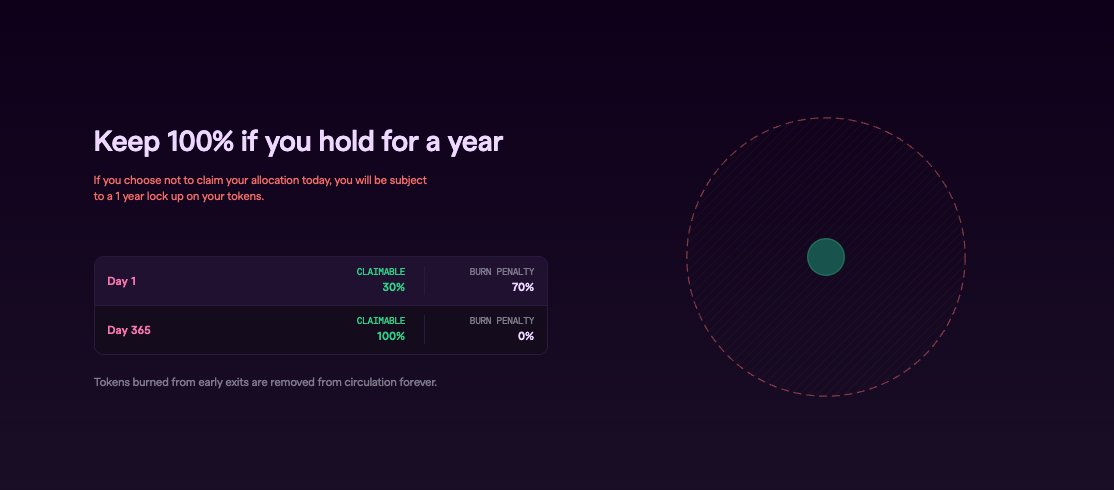
The second option is “vesting claim,” where users lock their tokens for a set period before unlocking, avoiding any burn penalty. This design encourages long-term holding and delays tokens entering the open market.
Functionally, these two options address both short-term liquidity needs and long-term value participation.
Incentive Game Theory: How User Choices Shape Token Supply
A key aspect of the airdrop design is its built-in “game structure.” If users choose instant claim, a significant portion of tokens are burned, reducing circulating supply. If they opt for vesting, the token release is simply delayed. Both choices directly impact the market’s token distribution.
Fundamentally, this is a “self-selection model,” letting users decide their participation path, while the system’s rules guide different user types accordingly. Short-term participants tend to favor liquidity, while long-term holders gain full equity through vesting.
This approach enables the protocol to manage supply and filter users organically, without imposing strict restrictions.
Trading Incentive Mechanism: Growth Driven by User Behavior
Beyond airdrops, GENIUS’s incentive framework remains focused on trading activity.
Actions performed on the trading terminal—such as asset swaps, route selection, or trading frequency—are tracked and converted into rewards. This “behavior equals contribution” model ensures that real users, not just liquidity providers, are included in the incentive structure.
Compared with traditional liquidity mining, this approach puts greater emphasis on actual product usage, boosting genuine activity on the trading terminal.
Credit System and Delayed Reward Distribution
In certain phases, GENIUS employs a credit system as an intermediary for token allocation. User actions are first converted into credits, which are then exchanged for token rewards according to set rules.
This design increases flexibility. The platform can dynamically adjust rewards based on user behavior data, while also minimizing selling pressure from early token releases.
The credit system also enables more granular user segmentation, such as distinguishing high-frequency traders from regular users, allowing for differentiated incentives.
Value Capture: Creating a Closed-Loop Trading Terminal
GENIUS’s value capture model is primarily driven by trading activity.
When users trade via the terminal, the system handles route selection and liquidity sourcing, generating trading fees or other forms of value. By integrating these value flows with the token mechanism, GENIUS creates a direct link between trading activity and token demand.
Combined with vesting and burn features, the system can dynamically manage supply, aligning token circulation with user behavior to form a closed-loop ecosystem.
How GENIUS Differs from Traditional DeFi Incentive Models
Compared to conventional DeFi projects, GENIUS’s token model stands out in several ways.
First, incentives are expanded from liquidity providers to trading users, encouraging broader participation. Second, its airdrop mechanism incorporates user choice and game theory, rather than a one-size-fits-all distribution. Finally, dynamic supply management is achieved through vesting and burn mechanisms.
These features make GENIUS particularly well-suited for trading gateway products, rather than standalone protocols.
Summary
GENIUS’s tokenomics integrates trading incentives, phased airdrops, and supply management mechanisms. By offering a choice between instant claim and vesting release, it encourages users to balance short-term and long-term participation.
This model not only supports user growth but also shapes token circulation through burn and vesting mechanisms, creating a dynamic link between user behavior and token supply. In a multi-chain trading terminal, this approach fosters a more stable incentive system and a clearer path for value transmission.
FAQs
Why is the GENIUS airdrop divided into multiple seasons?
Phased airdrops help control the pace of token release and align incentives with different stages of product development.
Why does instant claim involve token burning?
This mechanism curbs short-term selling pressure and reduces circulating supply based on user choice.
What is the purpose of vesting claims?
Vesting encourages long-term participation and delays tokens entering the market, helping to stabilize supply.
How is GENIUS’s incentive mechanism different from traditional liquidity mining?
Traditional models primarily reward liquidity providers, while GENIUS puts greater emphasis on trading activity.
What is the core advantage of this token model?
The core advantage lies in aligning user behavior with supply management, achieving sustainable growth through incentives and game theory.