


Futures
Access hundreds of perpetual contracts
TradFi
Gold
One platform for global traditional assets
Options
Hot
Trade European-style vanilla options
Unified Account
Maximize your capital efficiency
Demo Trading
Futures Kickoff
Get prepared for your futures trading
Futures Events
Join events to earn rewards
Demo Trading
Use virtual funds to practice risk-free trading
Launch
CandyDrop
Collect candies to earn airdrops
Launchpool
Quick staking, earn potential new tokens
HODLer Airdrop
Hold GT and get massive airdrops for free
Launchpad
Be early to the next big token project
Alpha Points
Trade on-chain assets and earn airdrops
Futures Points
Earn futures points and claim airdrop rewards




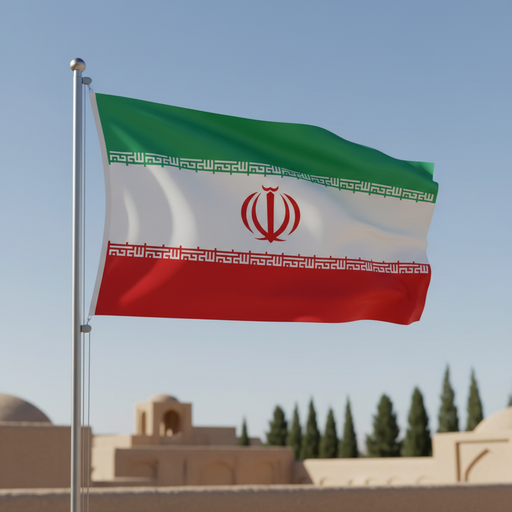


Is Wall Street underestimating the impact of Iran war? JPMorgan warns: S&P 500 may pull back 10%
On Monday, March 9, local time, JPMorgan’s Global Market Intelligence Chief Andrew Tyler released a report stating that as the Iran conflict continues and international oil prices break through $100 per barrel, the S&P 500 could decline by about 10% from its high, to around 6,270 points.
Despite the Iran conflict lasting over a week, the response from the U.S. stock market has been almost unusually mild—except for a few brief fluctuations and dips. Even Goldman Sachs CEO David Solomon was surprised by Wall Street’s “moderate reaction” to the conflict.
However, Tyler warned in the report on Monday that his outlook has shifted from tactical to bearish, and investors are not yet prepared for a decline. “Currently, positions remain neutral, lacking extreme de-risking measures.”
On Monday, as the war expanded and shipping pressure through the Strait of Hormuz increased, oil prices surged to $120 per barrel. But following reports that the G7 is considering releasing strategic oil reserves, prices quickly retreated. As of the time of writing, Brent crude traded below $100 per barrel.
Tyler’s team of analysts stated that each day the Strait of Hormuz is blocked would cause exponentially larger problems for subsequent product transportation.
They emphasized in the report that only a “total end to the conflict” could halt their bearish strategic outlook.
The root of market turmoil is not the war itself but the impact of triple-digit oil prices on inflation, economic growth, and corporate earnings expectations.
Last week, JPMorgan Asset Management pointed out that the danger of the energy shock lies in its dual effects—both recessionary and inflationary. The firm specifically warned that the Strait of Hormuz is the real pressure point, carrying about one-fifth of global oil supply.
On Monday, JPMorgan also noted in another report that if Iran’s Hark Island is attacked, most of Iran’s oil exports would be immediately halted. This could trigger Iranian retaliation in the Strait of Hormuz or attacks on Middle Eastern energy infrastructure.
Hark Island is a key hub for Iran’s oil exports, handling about 90% of the country’s crude exports. Media reports indicate that the White House is discussing deploying troops to seize Hark Island.
(Source: Cailian Press)