


Futures
Access hundreds of perpetual contracts
TradFi
Gold
One platform for global traditional assets
Options
Hot
Trade European-style vanilla options
Unified Account
Maximize your capital efficiency
Demo Trading
Futures Kickoff
Get prepared for your futures trading
Futures Events
Join events to earn rewards
Demo Trading
Use virtual funds to practice risk-free trading
Launch
CandyDrop
Collect candies to earn airdrops
Launchpool
Quick staking, earn potential new tokens
HODLer Airdrop
Hold GT and get massive airdrops for free
Launchpad
Be early to the next big token project
Alpha Points
Trade on-chain assets and earn airdrops
Futures Points
Earn futures points and claim airdrop rewards






Why Oil Prices Are Down Today and What Goldman Sachs Predicts Ahead
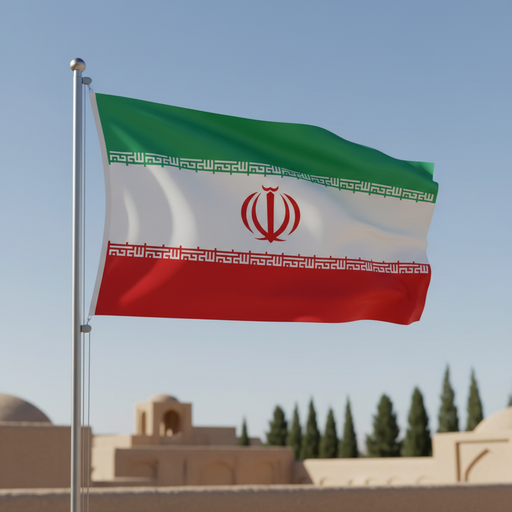
Oil prices took traders on a wild ride Monday, initially climbing toward multi-year highs before tumbling later in the day. The early surge pushed Brent crude toward $120 per barrel – levels not seen since the immediate aftermath of Russia’s invasion of Ukraine in 2022 – as fears grew that the conflict involving Iran could disrupt flows through the Strait of Hormuz. If that route were to remain closed for an extended period, global supply would face a severe shock.
Claim 70% Off TipRanks Premium
Unlock hedge fund-level data and powerful investing tools for smarter, sharper decisions
Stay ahead of the market with the latest news and analysis and maximize your portfolio’s potential
However, markets reversed course after comments from President Trump suggested that the military confrontation with Iran might not last long. Speaking to CBS News, Trump said he believes “the war is very complete, pretty much.”
The shift in sentiment was immediate, with Brent crude settling near $99 before continuing lower in later trading. The U.S. benchmark fell even more sharply. After touching nearly $119 in the morning, West Texas Intermediate tumbled throughout the afternoon and slid toward the low-$80s, with the April contract trading near $82 at one point, down more than 8% on the day.
Meanwhile, Wall Street indexes erased steep early losses and finished the session higher, as falling oil prices reduced fears that a sustained energy shock could push the global economy toward stagflation.
Yet, while Monday’s decline suggests some of the worst fears may be fading, Goldman Sachs’ head of oil research, Daan Struyven, warns that the broader risks to the oil market remain unresolved.
In a report published before the latest political developments, Struyven argued that the risks around oil prices could still skew higher if disruptions to Persian Gulf exports persist.
According to his analysis, oil flows through the Strait of Hormuz have already declined by roughly 1.8 million barrels per day, about 10% below typical levels. In his view, that shortfall suggests shipping through the region has not yet stabilized.
Struyven also pointed out that attempts to redirect oil through alternative pipelines and ports have so far fallen well short of their theoretical capacity. While infrastructure exists to reroute several million barrels per day, actual redirection in recent days appears far smaller.
Another complication lies with the shipping industry itself. Struyven noted that many tanker operators appear to be adopting a cautious approach while security risks in the region remain elevated. That hesitation could slow the recovery of normal export flows.
Disclaimer & DisclosureReport an Issue