

Trade
Basic
Futures
Futures
Hundreds of contracts settled in USDT or BTC
TradFi
Gold
Trade global traditional assets with USDT in one place
Options
Hot
Trade European-style vanilla options
Unified Account
Maximize your capital efficiency
Demo Trading
Futures Kickoff
Get prepared for your futures trading
Futures Events
Participate in events to win generous rewards
Demo Trading
Use virtual funds to experience risk-free trading
Earn
Launch
CandyDrop
Collect candies to earn airdrops
Launchpool
Quick staking, earn potential new tokens
HODLer Airdrop
Hold GT and get massive airdrops for free
Launchpad
Be early to the next big token project
Alpha Points
Trade on-chain assets and enjoy airdrop rewards!
Futures Points
Earn futures points and claim airdrop rewards
Investment
Simple Earn
Earn interests with idle tokens
Auto-Invest
Auto-invest on a regular basis
Dual Investment
Buy low and sell high to take profits from price fluctuations
Soft Staking
Earn rewards with flexible staking
Crypto Loan
0 Fees
Pledge one crypto to borrow another
Lending Center
One-stop lending hub
VIP Wealth Hub
Customized wealth management empowers your assets growth
Private Wealth Management
Customized asset management to grow your digital assets
Quant Fund
Top asset management team helps you profit without hassle
Staking
Stake cryptos to earn in PoS products
Smart Leverage
New
No forced liquidation before maturity, worry-free leveraged gains
GUSD Minting
Use USDT/USDC to mint GUSD for treasury-level yields

More



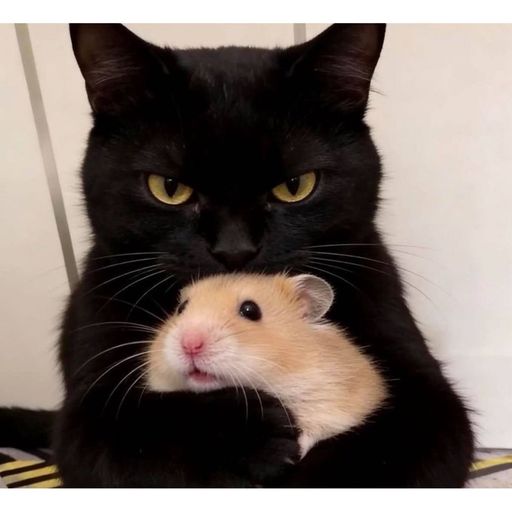


Decoding What Your Cat's Purr Really Means
Your cat curls up on your lap, and suddenly you feel a gentle rumbling beneath your fingers—that distinctive vibration is one of the most misunderstood sounds your feline companion makes. While many assume a purring cat is simply expressing happiness, the reality is far more nuanced. Understanding what cat purring truly communicates requires paying close attention to your pet’s body language and behavior patterns. As Stephen Quandt, a certified feline training and behavior consultant, explains: “Cats will purr when they feel good. It’s a way of communicating contentment or perhaps happiness.” But this is just one part of the story.
The Happiness Signal: Why Affection Makes Cats Purr
The most recognizable form of cat purring occurs when your feline friend seeks your affection. You might notice your cat approaching you with visible contentment—head bumping your hand, kneading with their paws in that familiar “making bread” motion, or settling directly onto your chest while producing that warm, rhythmic sound. These classic scenarios clearly indicate your cat feels secure and happy in your presence.
However, there’s much more happening beneath this seemingly simple behavior. Kittens are born both blind and deaf, making their initial survival dependent on sensing their mother through vibration alone. As Quandt notes, “They can’t see or hear their mom but they can feel her. It’s this purring between mother and kitten that helps the kitten realize that it can nurse. It becomes a form of communication through vibration.” This fundamental bonding mechanism becomes hardwired in cats, and they carry these instincts into their relationships with humans.
Beyond Contentment: Other Reasons Cats Produce This Sound
While affection tops the list, cat purring serves multiple purposes that pet owners often overlook. Your cat might purr to request something specific—particularly around dinnertime. Have you noticed your feline friend purring with increased intensity as you reach for their food bowl? According to Quandt, “A cat who’s waiting on its dinner may sometimes have a purr that’s a little bit different than a standard purr. It may make a purring sound that has an additional vocal frequency to it.” This hunger-driven purr actually contains different acoustic properties than contentment purring, though most owners don’t consciously recognize the distinction.
Beyond feeding time, cats use purring as a greeting mechanism. When you return home from work, your cat might dash toward you, purring and meowing simultaneously—their way of saying “welcome back.” Additionally, cats employ purring as a self-soothing mechanism. When battling stress, pain from injuries, or even infections, cats instinctively purr to calm themselves. Remarkably, some research suggests these frequencies might promote healing in both cats and humans, though this remains an area of ongoing scientific interest.
Your cat might also purr simply to secure your undivided attention. Despite their reputation for independence, cats value human interaction and may use purring—often combined with meowing and strategic leg-rubbing—as a request for pets, playtime, or simply acknowledgment.
The Science Behind Feline Purring
The mechanics of what makes cats purr involves sophisticated vocal anatomy. Cats produce this distinctive sound using their larynx (voice box) and diaphragm. As they breathe, air passes through the larynx, causing it to vibrate and generate the purring sound. Beyond this basic mechanism, cats possess a special rigid bone in their throats called the hyoid bone, which researchers believe contributes “vibrating qualities” that amplify and sustain the purring effect.
The frequency range of cat purring falls between 25 and 150 hertz—a range identical to frequencies used in therapeutic medical treatments. According to research published in The Journal of the Acoustical Society of America, these frequencies correspond to those employed for “bone growth and fractures, pain reduction, swelling reduction, muscle development and strain, joint flexibility, breathing difficulties, and wound healing.” This suggests that cats may have evolved a built-in healing mechanism, though more research is needed to fully understand these connections.
Individual Differences in Your Cat’s Vocal Behavior
Not all cats purr with equal frequency or intensity. Some cats are naturally talkative and social, readily using vocalizations to communicate with their human families. Others remain relatively quiet, preferring alternative methods of expression. As Quandt explains: “Cats have different personalities. Some are very gregarious, friendly and social, while others are more independent. Some cats, based on personality and individuality, may be motivated to purr more or less.”
Interestingly, some cats may not have learned to use purring as an effective communication tool. Kittens separated from their mothers very early might never receive the necessary stimulation to develop strong purring behavior. If your cat previously purred regularly but has suddenly stopped, this change warrants veterinary attention, as it can indicate underlying medical issues requiring professional evaluation.
Understanding Your Individual Cat’s Language
Every cat develops its own unique vocal signature. Some cats combine meowing with purring—a behavior known as “trilling”—which typically signals they want your attention for feeding, play, or interaction. By observing patterns in when and how your cat purrs, you’ll develop a personalized understanding of their specific communication system.
The key to unlocking what cat purring means lies in consistent observation and familiarity with your individual pet. While the biological foundation remains the same across felines, each cat adapts their vocalizations to their unique circumstances, personality, and relationship dynamics with you. By paying attention to context, body language, and acoustic variations in their purrs, you transform from simply hearing the sound to truly understanding what your cat is trying to communicate.