

Trade
Basic
Futures
Futures
Hundreds of contracts settled in USDT or BTC
TradFi
Gold
Trade global traditional assets with USDT in one place
Options
Hot
Trade European-style vanilla options
Unified Account
Maximize your capital efficiency
Demo Trading
Futures Kickoff
Get prepared for your futures trading
Futures Events
Participate in events to win generous rewards
Demo Trading
Use virtual funds to experience risk-free trading
Earn
Launch
CandyDrop
Collect candies to earn airdrops
Launchpool
Quick staking, earn potential new tokens
HODLer Airdrop
Hold GT and get massive airdrops for free
Launchpad
Be early to the next big token project
Alpha Points
Trade on-chain assets and enjoy airdrop rewards!
Futures Points
Earn futures points and claim airdrop rewards
Investment
Simple Earn
Earn interests with idle tokens
Auto-Invest
Auto-invest on a regular basis
Dual Investment
Buy low and sell high to take profits from price fluctuations
Soft Staking
Earn rewards with flexible staking
Crypto Loan
0 Fees
Pledge one crypto to borrow another
Lending Center
One-stop lending hub
VIP Wealth Hub
Customized wealth management empowers your assets growth
Private Wealth Management
Customized asset management to grow your digital assets
Quant Fund
Top asset management team helps you profit without hassle
Staking
Stake cryptos to earn in PoS products
Smart Leverage
New
No forced liquidation before maturity, worry-free leveraged gains
GUSD Minting
Use USDT/USDC to mint GUSD for treasury-level yields

More





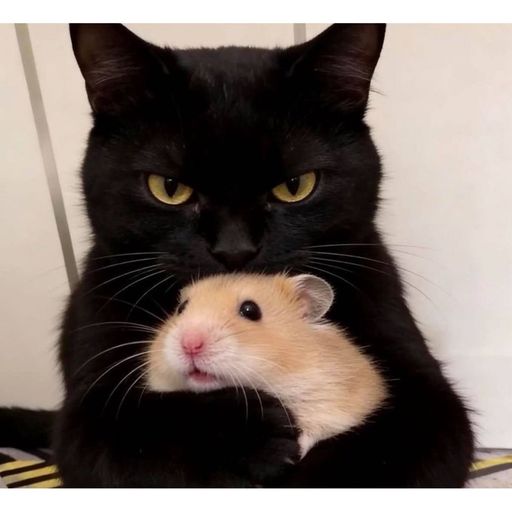
Understanding What Your Cat's Purring Really Means
If you’ve ever held a purring cat on your lap, you know that vibration—that rumbling sensation that seems to emanate from deep within their chest. But have you ever stopped to wonder what your cat is actually communicating through that distinctive sound? While many cat lovers assume purring always signals happiness, the reality is far more nuanced. A cat’s purring meaning extends well beyond simple contentment, and understanding these subtle messages can deepen your bond with your feline companion. From seeking attention to self-soothing through pain, cats employ this remarkable vocalization for numerous reasons. Learning to interpret what different purrs convey is one of the best ways to truly understand your cat’s needs and emotional state.
The Many Purposes Behind Your Cat’s Rumble
When you first bring a cat into your home, the purring sound might seem straightforward—a sign that your pet is happy and comfortable. Yet Stephen Quandt, a certified feline training and behavior consultant, explains that this interpretation only scratches the surface. “Cats will purr when they feel good. It’s a way of communicating contentment or perhaps happiness,” Quandt says, but this is just the beginning of the story. Cats are sophisticated communicators, and their purring serves multiple functions in their daily lives.
Affection and Peaceful Comfort
The most recognizable purring scenario occurs when your cat curls up against you, perhaps kneading your lap with its paws in that characteristic “making bread” motion. In these moments, your cat is genuinely expressing its contentment and satisfaction with your presence. A cat that rubs its face and body against your legs or settles onto your chest while vibrating is displaying its trust and emotional comfort. These gestures combine the purring sound with physical contact, creating a multi-sensory communication of bonding. For cat owners, these moments often feel reciprocal—the cat’s contentment seems to inspire calmness in the human as well.
Signaling Hunger and Urgency
Listen carefully around dinnertime, and you might detect something different in your cat’s vocalization. When your feline friend is anticipating its meal, the purring often shifts in character. “A cat who’s waiting on its dinner may sometimes have a purr that’s a little bit different than a standard purr. It may make a purring sound that has an additional vocal frequency to it,” Quandt explains. This variation is often accompanied by rubbing against your legs or adding meows to the mix—a deliberate escalation in communication tactics to ensure you understand that feeding time is imminent. The cat isn’t simply purring; it’s creating a distinct sonic signature to highlight its need.
Greeting and Reunion
There’s something special about the greeting ritual between a cat and its human returning home. Your cat may rush to your feet, emit a series of trills or chirps mixed with purring, and vocalize what sounds unmistakably like “hello.” This greeting purr represents excitement and joy at reunion. The cat recognizes your arrival as a positive event and expresses its enthusiasm for your presence. Over time, if you pay attention, you may notice that this greeting purr has a slightly different quality than other purring episodes—faster, more urgent, infused with excitement.
Relief Through Self-Soothing
Perhaps one of the most fascinating discoveries about cat purring meaning involves its therapeutic dimension. Cats emit purrs at frequencies ranging between 25 and 150 hertz—the exact same frequencies used in human medical treatments. According to research published in The Journal of the Acoustical Society of America in 2001, these frequencies align with therapeutic applications for “bone growth and fractures, pain management, swelling reduction, muscle development, joint mobility, breathing difficulties, and wound healing.” While this observation doesn’t mean a cat’s purr can replace veterinary care, it suggests that felines may have evolved to use purring as an internal healing mechanism.
“Cats will also purr to get relief from stress or pain—to self-soothe,” Quandt notes. This behavior becomes particularly important when a cat is battling an infection, nursing an injury, or experiencing discomfort. The cat’s own purring may actually provide measurable physiological benefit, essentially serving as a biological pain management tool. This self-directed therapy explains why a cat might purr even when the human observer wouldn’t expect happiness or contentment.
Seeking and Demanding Attention
Cats may appear independent, yet they can also be quite deliberate in seeking human interaction. A cat might employ purring as one tool in its attention-getting arsenal, combining it with meows, head-bumping, or weaving between your legs. The cat might want physical affection, food, playtime, or simply acknowledgment of its presence. Experienced cat owners learn to recognize the different intensities and patterns of attention-seeking purrs—some softer and more tentative, others more insistent and demanding.
The Mother-Kitten Communication Channel
Kittens arrive into the world both blind and deaf, unable to see or hear their mothers. Yet they survive and thrive through vibration and touch alone. “They can’t see or hear their mom but they can feel her,” Quandt explains. “It’s this purring between mother and kitten that helps the kitten realize that it can nurse. It becomes a form of communication through vibration.” From the moment of birth, kittens purr to signal hunger or request comfort, while mothers respond to these vibrations. This primal communication method establishes the foundation for why adult cats continue to purr at their human caregivers—they’re repeating behaviors learned at the very beginning of their lives.
Decoding Different Types of Purrs
Not all purrs sound identical, and the distinctions matter. Learning to recognize these variations can provide insight into your cat’s purring meaning and current state. The content, rhythm, and intensity of purring communicates different messages. A soft, steady purr during a quiet afternoon differs markedly from an intense, rapid vibration emitted during mealtime. Some cats produce a rough, guttural rumble, while others generate a higher-pitched, more delicate sound. These sonic variations often correlate with the cat’s emotional or physical state, making them valuable decoding tools for attentive owners.
The phenomenon called “trilling”—where a cat simultaneously meows and purrs—deserves special mention. “Each cat is different,” Quandt notes, “but simultaneously meowing and purring could be a way for it to get your attention.” The cat might be hungry, content, or excited, and is amplifying its communication to ensure you notice. By tracking the circumstances under which your cat produces different purr variations, you can begin to identify patterns and deeper meanings.
The Mechanics: How Cats Actually Produce This Sound
Understanding the physical mechanism behind purring adds another layer of appreciation for this ability. Cats generate the purr through a combination of anatomical features working in concert. The larynx, or voice box, serves as the primary sound-generation organ. As air passes through the larynx during both inhalation and exhalation, the tissue vibrates, producing the distinctive purring sound. The diaphragm—the muscle that controls breathing—also plays a crucial role in this process, managing the airflow that triggers the vibration.
Additionally, cats possess a special rigid bone in their throats called the hyoid bone, which researchers believe contributes “vibrating qualities” to the purring mechanism, according to Quandt. This unique anatomical feature may enhance the resonance and therapeutic qualities of the purr. The combination of these physical components creates a sophisticated biological system, refined through evolution to serve multiple communicative and therapeutic purposes.
Why Your Cat Purrs More—Or Less—Than Others
Feline personalities vary dramatically, and this individuality extends directly to purring behavior. “Cats have different personalities,” Quandt explains. “Some are very gregarious, friendly and social, while others are more independent. Some cats, based on personality and individuality, may be motivated to purr more or less.” A naturally extroverted cat that thrives on human interaction will likely purr frequently, while a more reserved or independent cat may reserve purring for specific circumstances. Both represent normal, healthy variations in communication style.
Additionally, some cats may have learned through experience that purring isn’t necessary for meeting their needs. If a cat consistently receives food, attention, and care without needing to vocalize, it may not develop strong purring habits. This learned behavior sometimes reflects early kitten experiences. “It’s possible that kittens that were separated from their mothers very early may have not gotten stimulated to purr by their mother because they weren’t with her for long enough,” Quandt explains. Without this early maternal reinforcement, some cats never fully develop or utilize purring as a primary communication tool.
When Silence Signals Concern
If your normally vocal, purring cat suddenly goes silent, this change warrants attention. A shift in vocalization patterns can indicate an underlying medical issue. Whether your cat has stopped purring entirely or shows a dramatic reduction in this behavior, consulting a veterinarian becomes important. The cat may be experiencing pain, illness, stress, or other health-related issues that suppress normal vocalizations. A professional examination can rule out physical problems and ensure your cat’s wellbeing.
Understanding Your Individual Cat’s Voice
The ultimate key to decoding your cat’s purring meaning lies in developing attunement to your specific animal’s communication patterns. Each cat represents a unique individual with distinct preferences, personality traits, and communication styles. By observing your cat across different situations—during moments of apparent contentment, around mealtimes, during playtime, and while seeking attention—you begin building a personal dictionary of your cat’s vocal expressions.
Notice whether your cat purrs during grooming sessions, whether the pitch changes with different situations, whether purring accompanies specific body language signals. Over time, these observations accumulate into genuine understanding. Your cat’s purr becomes not simply a mysterious sound, but a recognizable and interpretable form of expression—a window into its emotional and physical state. This deepened understanding strengthens the human-cat relationship and empowers you to respond more effectively to your feline companion’s evolving needs.