

Trade
Basic
Futures
Futures
Hundreds of contracts settled in USDT or BTC
TradFi
Gold
Trade global traditional assets with USDT in one place
Options
Hot
Trade European-style vanilla options
Unified Account
Maximize your capital efficiency
Demo Trading
Futures Kickoff
Get prepared for your futures trading
Futures Events
Participate in events to win generous rewards
Demo Trading
Use virtual funds to experience risk-free trading
Earn
Launch
CandyDrop
Collect candies to earn airdrops
Launchpool
Quick staking, earn potential new tokens
HODLer Airdrop
Hold GT and get massive airdrops for free
Launchpad
Be early to the next big token project
Alpha Points
Trade on-chain assets and enjoy airdrop rewards!
Futures Points
Earn futures points and claim airdrop rewards
Investment
Simple Earn
Earn interests with idle tokens
Auto-Invest
Auto-invest on a regular basis
Dual Investment
Buy low and sell high to take profits from price fluctuations
Soft Staking
Earn rewards with flexible staking
Crypto Loan
0 Fees
Pledge one crypto to borrow another
Lending Center
One-stop lending hub
VIP Wealth Hub
Customized wealth management empowers your assets growth
Private Wealth Management
Customized asset management to grow your digital assets
Quant Fund
Top asset management team helps you profit without hassle
Staking
Stake cryptos to earn in PoS products
Smart Leverage
New
No forced liquidation before maturity, worry-free leveraged gains
GUSD Minting
Use USDT/USDC to mint GUSD for treasury-level yields

More




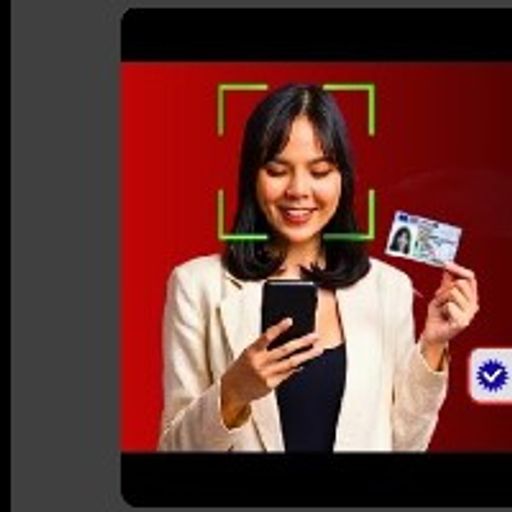

Understanding What Is Tokenization and Why It Matters in Modern Finance
Tokenization represents one of the most transformative applications of blockchain technology in today’s financial landscape. As digital assets continue reshaping how we think about ownership, security, and investment accessibility, understanding what tokenization is has become increasingly important for anyone engaged with modern finance or cryptocurrency. Whether you’re exploring investment opportunities or simply trying to grasp how blockchain-based systems work, tokenization is a fundamental concept worth understanding.
The Core Concept: Defining Tokenization
At its foundation, tokenization is the process of converting assets—or the rights to ownership of those assets—into digital representations known as tokens. These tokens serve as verifiable proof of ownership or value on a blockchain network. The beauty of tokenization lies in its versatility: it works equally well for tangible assets like physical art, real estate, or commodities, and for intangible assets such as company shares, voting rights, or intellectual property.
What makes tokenization particularly powerful is that it breaks down traditionally indivisible assets into smaller, tradeable units. Consider Bitcoin as a straightforward example: it uses tokenization to represent cryptocurrency holdings, where each token indicates a specific amount of value. However, the concept extends far beyond cryptocurrencies into numerous real-world applications.
The historical roots of tokenization trace back to data security practices where sensitive information was replaced with unique, non-sensitive substitutes. Organizations used this technique to protect customer data, payment information, and other confidential records without losing the ability to process transactions. This security-first approach evolved into what we see today—a comprehensive system for representing and transferring asset ownership globally.
How Tokenization Works: The Technical Foundation
Tokenization operates through a relatively straightforward technical process. Tokens function as substitutes or representations of real assets, with no inherent value independent of what they represent. The creation of tokens can occur through various cryptographic techniques, including reversible functions, non-reversible functions, or randomly-generated number sequences.
The critical factor that makes blockchain-based tokenization secure is the connection between tokens and transaction information stored on a decentralized ledger—the blockchain itself. This distributed storage system creates an immutable record of all transactions associated with a token, ensuring that ownership can always be verified and traced through the network.
In practical payment scenarios, tokenization follows a specific workflow. When a seller processes a payment, a payment gateway typically handles the token creation automatically and securely stores the original sensitive data separately in what’s called a token vault. The tokenized version is then sent to a payment processor, which maintains the ability to cross-reference the token back to the original information stored in the seller’s secure vault. This separation of the token from the original data means that even if someone intercepts the token, they cannot access the underlying sensitive information.
Multiple Forms of Tokenization: Blockchain and Beyond
The tokenization landscape divides into two primary categories, each with distinct applications and characteristics.
Blockchain-Based Tokenization
Within blockchain systems, tokenization takes several specialized forms:
Fungible Tokens represent the most common type of blockchain tokenization. These tokens share identical values and are mutually interchangeable—similar to trading one dollar bill for another. They provide the foundation for most cryptocurrency systems and utility-based blockchain applications.
Non-Fungible Tokens (NFTs) operate on a different principle. Unlike fungible tokens, NFTs do not have standardized values. Instead, each token’s value derives from the specific asset it represents—whether that’s digital artwork, virtual real estate, collectibles, or unique ownership rights. This uniqueness makes NFTs ideal for certifying ownership of one-of-a-kind items.
Governance Tokens serve a participatory function on blockchain networks. They grant holders voting rights and the ability to influence decisions and collaborate on protocol development, effectively democratizing the governance of decentralized systems.
Utility Tokens provide access to specific services or products within a blockchain ecosystem. These might include paying transaction fees, accessing decentralized applications, or participating in specific platform features. They essentially function as digital keys to blockchain services.
Non-Blockchain Tokenization
Beyond blockchain applications, tokenization maintains important use cases in traditional data security:
Vault Tokenization remains the standard approach for protecting payment information. The original card numbers or sensitive financial data remain securely stored in a vault, while only the token is transmitted during payment processing.
Vaultless Tokenization offers an alternative that doesn’t require a centralized vault. Instead, it employs cryptographic algorithms and devices to convert sensitive data into tokens, providing enhanced flexibility for certain security applications.
Natural Language Processing Tokenization operates in a different domain entirely, breaking down text and information into simpler, computer-processable units including words, subwords, and individual characters. This approach improves how artificial intelligence systems understand and process human language.
Why Tokenization Delivers Real Value
The advantages of tokenization extend across multiple dimensions, creating meaningful improvements for both individual investors and institutional participants.
Enhanced Market Liquidity stands as one of the most significant benefits. By fragmenting valuable assets into tradeable tokens, tokenization dramatically expands who can participate in asset ownership. Someone without the capital for a full real estate purchase can invest in tokenized property fractions. This democratization of asset access creates deeper, more liquid markets while reducing traditional friction points.
Simplified Transactions and Reduced Costs represent another crucial advantage. The traditional process of acquiring assets—whether real estate, fine art, or securities—involves layers of intermediaries, legal procedures, and administrative overhead. Tokenization bypasses many of these steps. The result: transactions complete faster and with substantially lower costs, making investing more accessible to a broader audience.
Verified Ownership and Dispute Resolution leverage blockchain’s immutable record-keeping capabilities. If a question ever arises regarding token ownership, the blockchain maintains a complete transaction history that can definitively establish current and historical ownership. This transparency strengthens confidence in asset transfers.
Data Security and Compliance Benefits particularly matter to organizations handling sensitive customer information. Tokenization helps companies meet regulatory requirements established by standards like the PCI DSS (Payment Card Industry Data Security Standard). Customers gain peace of mind knowing their personal and financial data is protected through technological substitution rather than simple encryption.
The Future of Tokenization: Challenges and Opportunities
Despite impressive progress, tokenization still faces hurdles before reaching its full potential as a transformative financial tool. Regulatory frameworks vary significantly across different jurisdictions, creating complexity for those seeking seamless global transactions. Technology standards continue evolving, and varying national approaches to asset tokenization create coordination challenges.
However, the trajectory is clearly positive. Governments worldwide are modernizing their regulatory approaches to accommodate tokenized assets. Public understanding and acceptance of token-based systems continues growing. Educational resources and practical demonstrations are helping establish tokenization as a legitimate and powerful financial mechanism.
For investors evaluating their options, tokenization opens new pathways previously blocked by traditional market barriers. Those working with limited capital might explore cryptocurrency as a lower-barrier entry point, or investigate tokenized real estate platforms. More experienced investors can analyze complex tokenized securities. Regardless of approach, the principle remains constant: thoroughly evaluate any investment opportunity before committing capital, ensuring the underlying asset, tokenization mechanism, and platform reputation merit your trust.
The evolution from a data-protection technique to a comprehensive financial infrastructure tool demonstrates tokenization’s remarkable adaptability. As technology matures and regulatory clarity emerges, tokenization will likely become an increasingly central element of global financial architecture.