

Trade
Basic
Futures
Futures
Hundreds of contracts settled in USDT or BTC
TradFi
Gold
Trade global traditional assets with USDT in one place
Options
Hot
Trade European-style vanilla options
Unified Account
Maximize your capital efficiency
Demo Trading
Futures Kickoff
Get prepared for your futures trading
Futures Events
Participate in events to win generous rewards
Demo Trading
Use virtual funds to experience risk-free trading
Earn
Launch
CandyDrop
Collect candies to earn airdrops
Launchpool
Quick staking, earn potential new tokens
HODLer Airdrop
Hold GT and get massive airdrops for free
Launchpad
Be early to the next big token project
Alpha Points
Trade on-chain assets and enjoy airdrop rewards!
Futures Points
Earn futures points and claim airdrop rewards
Investment
Simple Earn
Earn interests with idle tokens
Auto-Invest
Auto-invest on a regular basis
Dual Investment
Buy low and sell high to take profits from price fluctuations
Soft Staking
Earn rewards with flexible staking
Crypto Loan
0 Fees
Pledge one crypto to borrow another
Lending Center
One-stop lending hub
VIP Wealth Hub
Customized wealth management empowers your assets growth
Private Wealth Management
Customized asset management to grow your digital assets
Quant Fund
Top asset management team helps you profit without hassle
Staking
Stake cryptos to earn in PoS products
Smart Leverage
New
No forced liquidation before maturity, worry-free leveraged gains
GUSD Minting
Use USDT/USDC to mint GUSD for treasury-level yields

More



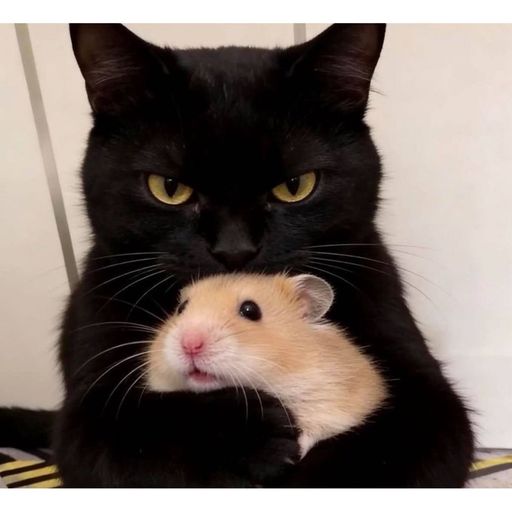


Decoding Cat Purring: What Different Sounds Really Mean
Your cat settles onto your lap and that familiar rumbling vibration begins. But what’s actually happening? That gentle vibrating sound isn’t just one thing—it’s your cat’s multi-purpose communication tool, and understanding the nuances of cat purring meaning requires paying close attention to context and behavior patterns.
The Phenomenon: More Than Just a Feel-Good Sound
Cats possess one of the most recognizable vocalizations in the animal kingdom. When you hear that continuous rumbling—what we call purring—you’re witnessing a sophisticated form of feline expression. The sound itself is distinctive enough that you can feel it vibrate through your hands when you pet a purring cat. But purring meaning goes far deeper than contentment alone.
Stephen Quandt, a certified feline training and behavior consultant, explains that cats use this sound to communicate multiple distinct messages. “Cats will purr when they feel good. It’s a way of communicating contentment or perhaps happiness,” he notes, but adds that this is only one dimension of a cat’s purring repertoire.
From the moment they’re born, kittens rely on this vibration as their primary connection with their mother. “Kittens are born blind and deaf. Often, the only way they can connect with their mother is by purring,” Quandt explains. “They can’t see or hear their mom but they can feel her. It’s this purring between mother and kitten that helps the kitten realize that it can nurse.”
Six Core Reasons Why Your Cat Produces That Sound
Signaling Affection and Inner Calm
The most recognizable scenario: your cat curls up against you, kneading with its paws (that “making bread” motion), and produces that rhythmic rumbling. This combination signals comfort in your presence. Your cat feels safe, content, and emotionally connected to you. These are the moments cat owners typically think of when they imagine their pet’s happiness.
Expressing Hunger—A Strategic Vocalization
Watch your cat’s behavior around dinnertime. That purring you hear might sound slightly different from its typical rumble. According to Quandt, “A cat who’s waiting on its dinner may sometimes have a purr that’s a little bit different than a standard purr…[It] may make a purring sound that has an additional vocal frequency to it.” This hunger-specific purring often accompanies leg-rubbing and more insistent meowing—a calculated escalation in communication intensity designed to capture your attention.
Greeting You With Recognition
When you arrive home after an absence, your cat may rush to your feet with that distinctive vibration already active. Combined with brief meows and possibly head-bumps, this purring signals recognition and happiness at your return. It’s your cat’s version of “Welcome home.”
Pain Relief and Self-Soothing
Here’s where purring becomes genuinely fascinating from a biological perspective. Research published in The Journal of the Acoustical Society of America documents that cats produce purrs at frequencies between 25 and 150 hertz—the exact same frequencies used in therapeutic treatments for human bone fractures, pain management, swelling reduction, muscle recovery, joint mobility, breathing difficulties, and wound healing.
Cats instinctively use purring for their own healing. “Cats will also purr to get relief from stress or pain—to self-soothe,” notes Quandt. Whether fighting an infection, recovering from an injury, or managing anxiety, cats activate this mechanism as a form of self-directed therapy. This doesn’t mean purring cats are always injured—but it does mean purring serves neurological and physiological functions beyond simple pleasure.
Demanding Attention Through Vibration
Independent creatures they may be, but cats sometimes desperately require your engagement. Purring becomes an attention-seeking device, often combined with other vocalizations. Your cat might be signaling the desire for petting, food, playtime, or general interaction. Understanding the full context—is your cat at the food bowl, or at your feet during evening hours?—helps decode this message.
Maternal Bonding and Kitten Development
That early purring connection between mother and kitten establishes lifelong communication patterns. “It becomes a form of communication through vibration,” Quandt explains. Kittens purr to alert their mothers to hunger or discomfort. These deeply ingrained instincts carry forward—many behaviorists believe adult cats extend this maternal bonding behavior to their human caretakers, treating their owners as surrogate mothers.
The Mechanics: How Cats Actually Create The Sound
The apparatus behind purring involves elegant biological engineering. Cats utilize their larynx (voice box) and diaphragm to generate the sound. As air passes through the larynx during breathing, specialized tissues vibrate and produce that characteristic rumbling frequency.
Additionally, cats possess a specialized rigid bone structure in their throat called the hyoid bone, which contributes “vibrating qualities” to the overall effect, according to Quandt. This anatomical feature distinguishes cats’ purring capability from most other animals and allows for that distinctively feel-able vibration.
Individual Variation: Why Some Cats Purr Constantly While Others Stay Silent
Not all cats maintain the same purring frequency or intensity. Feline communication styles vary dramatically based on personality, early experience, and individual motivation.
“Cats have different personalities,” Quandt emphasizes. “Some are very gregarious, friendly and social, while others are more independent. Some cats, based on personality and individuality, may be motivated to purr more or less.”
Additionally, early developmental experiences shape purring behavior. Cats separated from their mothers very early in life may never develop robust purring habits. Without maternal stimulation during critical developmental windows, they simply never learned that vibrating communication was an effective strategy. Similarly, some cats determine that they receive adequate food and attention without vocalizing—if their needs are being met through silent body language or passive presence, they may feel no urgency to purr.
Personality isn’t the only factor. Breed tendencies, individual neurology, and learned associations all influence how vocal a particular cat becomes. Your cat’s purring behavior is unique to that individual.
When Purring Changes: Signs Something May Be Wrong
If your cat previously purred regularly but has suddenly ceased or dramatically reduced this behavior, pay attention. While personality differences are normal, sudden behavioral shifts warrant professional evaluation. Underlying medical conditions, pain, stress, or illness may suppress purring behavior.
Conversely, excessive purring in a cat that previously showed less vocalization could indicate discomfort, anxiety, or physical distress. Neither extreme should be ignored. Consultation with a veterinarian helps determine whether behavioral changes reflect medical issues requiring treatment or simply represent normal feline variation.
Understanding Your Individual Cat
The deeper you understand your specific cat’s communication patterns, the better you can interpret what each sound and behavior means. Some cats are naturally verbose; others communicate primarily through body language with selective vocalizations reserved for important messages.
The purring meaning your individual cat intends depends on context: the time of day, your cat’s position, accompanying behaviors, and your cat’s typical communication style. Over time, you’ll learn to distinguish between the “I’m hungry” purr, the “I love you” purr, the “I’m stressed” purr, and the “please play with me” purr.
This nuanced understanding deepens the human-feline bond and allows you to respond more effectively to your cat’s actual needs rather than making assumptions based on surface-level vocalizations alone.