

Trade
Basic
Futures
Futures
Hundreds of contracts settled in USDT or BTC
TradFi
Gold
Trade global traditional assets with USDT in one place
Options
Hot
Trade European-style vanilla options
Unified Account
Maximize your capital efficiency
Demo Trading
Futures Kickoff
Get prepared for your futures trading
Futures Events
Participate in events to win generous rewards
Demo Trading
Use virtual funds to experience risk-free trading
Earn
Launch
CandyDrop
Collect candies to earn airdrops
Launchpool
Quick staking, earn potential new tokens
HODLer Airdrop
Hold GT and get massive airdrops for free
Launchpad
Be early to the next big token project
Alpha Points
Trade on-chain assets and enjoy airdrop rewards!
Futures Points
Earn futures points and claim airdrop rewards
Investment
Simple Earn
Earn interests with idle tokens
Auto-Invest
Auto-invest on a regular basis
Dual Investment
Buy low and sell high to take profits from price fluctuations
Soft Staking
Earn rewards with flexible staking
Crypto Loan
0 Fees
Pledge one crypto to borrow another
Lending Center
One-stop lending hub
VIP Wealth Hub
Customized wealth management empowers your assets growth
Private Wealth Management
Customized asset management to grow your digital assets
Quant Fund
Top asset management team helps you profit without hassle
Staking
Stake cryptos to earn in PoS products
Smart Leverage
New
No forced liquidation before maturity, worry-free leveraged gains
GUSD Minting
Use USDT/USDC to mint GUSD for treasury-level yields

More



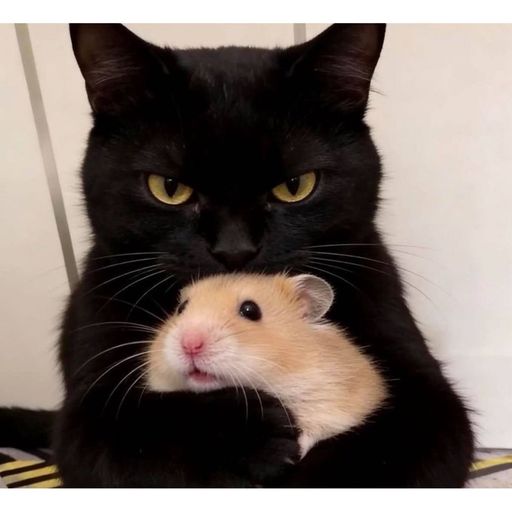


Understanding How Human Years to Cat Years Actually Works
When you bring a cat home, one of the first questions you might ask is: “How old is my cat in human years to cat years comparison?” It’s a natural curiosity. Unlike dogs, cats experience a unique aging process that doesn’t follow a simple linear timeline. Understanding how human years translate to cat years is essential for providing appropriate care and recognizing when your feline companion enters different life stages. The relationship between feline development and human aging is more nuanced than most pet owners realize.
The Surprising Truth Behind Cat Aging
Cats don’t age at a consistent rate throughout their lives. This is where the concept of “cat years” becomes important. The first year of a cat’s life is equivalent to approximately 15 human years—far more accelerated than human infant development. However, this rapid progression doesn’t continue evenly.
“While the idea of cat years isn’t as commonly discussed as dog years, understanding them is exceptionally important and considerably more complicated,” explains Dr. Casey Locklear, D.V.M., senior medical lead at U.S. Petcare Feline Strategy and Parasiticides at Zoetis. “Cat years progress rapidly at first, then gradually level off as cats enter their adult phase.”
The reason for this complexity is that cats mature very quickly in their earliest years. A certified applied animal behaviorist specializing in feline behavior notes that “cats achieve maturity rapidly during their first few years, after which their growth rate slows dramatically.” This means the conversion from human years to cat years isn’t straightforward—the ratio changes depending on your cat’s age.
Why Cat Years Are More Complex Than You Think
Unlike humans, who age at a steady pace, cats follow a stepped aging pattern. According to the 2021 AAHA/AAFP Feline Life Stage Guidelines—established by the American Animal Hospital Association and the American Association of Feline Practitioners—cats progress through four distinct life stages:
Each stage corresponds to different developmental milestones and healthcare needs. Here’s the practical reality: a 7-year-old cat that many owners still perceive as youthful is actually equivalent to a 44-year-old human. This misconception often leads owners to delay necessary health screenings.
“By the time cats reach 7 years old, they should receive at least annual veterinary examinations, with screening for weight changes, osteoarthritis, kidney disease, and diabetes,” Dr. Locklear emphasizes. This shift in health priorities coincides with what veterinarians consider the transition to the mature adult stage.
Your Cat’s Life Stages and What They Mean in Human Terms
Understanding your cat’s life stage in human years to cat years terms helps you anticipate health challenges. During the kitten stage—the first year—your cat develops at an extraordinary rate. By the time they reach 1 year old, they’ve already experienced 15 human years of maturation.
The young adult years (ages 1-6) represent a stabilization period. During this time, your cat’s aging rate normalizes. Each year now roughly corresponds to 5-7 human years, depending on individual factors.
Mature adults (7-10 years old) enter what veterinary experts call the “screening years.” This is when preventative health measures become critical. Senior cats (10+ years) require even more frequent veterinary attention—ideally every six months rather than annually—because health issues become more likely.
The AAHA/AAFP guidelines specifically recommend adjusting veterinary care frequency based on these stages. Kittens, young adults, and mature adults should visit the veterinarian minimum once yearly, but seniors need that six-month checkup schedule to catch problems early.
How Long Will Your Cat Live?
The average cat lifespan ranges from 12 to 15 years, though it’s increasingly common for cats to reach their late teens and even early 20s with proper care. The oldest cat on record is Flossie, who reached 27 years old.
A cat’s longevity depends significantly on several factors. Genetics play a role, but environmental conditions matter enormously. Indoor cats typically live longer than outdoor cats—sometimes by a decade or more.
“Outdoor cats face hazards including traffic, predators, diseases, and harsh weather conditions,” explains Dr. Matthew McCarthy, D.V.M., founder of Juniper Valley Animal Hospital in Queens, New York. “As a result, their average lifespan is often around 5 to 7 years, compared to indoor cats.” The difference between 12-15 years (indoor average) and 5-7 years (outdoor average) underscores how dramatically environment influences feline aging.
Beyond indoor versus outdoor living, diet, healthcare quality, and overall lifestyle significantly impact how long a cat lives. Cats receiving consistent veterinary care, eating high-quality nutrition, and living in enriching environments tend to have longer, healthier lives.
Essential Care Tips to Help Your Cat Live Longer
Maximizing your cat’s lifespan requires proactive, consistent effort across multiple areas:
Preventative Health Foundation: Start veterinary care early—take kittens to the vet by 8 weeks of age. Your veterinarian will establish a vaccine and parasite prevention protocol tailored to your cat’s risk factors.
Parasite Protection: Even indoor cats are susceptible to parasites like fleas and mosquitoes that can transmit heartworm disease. Consistent parasite prevention is non-negotiable.
Regular Veterinary Visits: At minimum, visit your vet once yearly for general wellness cats, and every six months for seniors. These visits catch emerging health issues before they become serious.
Weight Management: Monitor your cat’s weight carefully—unexpected changes can signal kidney disease, diabetes, or other serious conditions. Maintaining a healthy weight also prevents skin infections, respiratory disease, and metabolic disorders.
Environmental Enrichment: Cats are intelligent, curious animals requiring mental and physical stimulation. Provide climbing structures, scratching outlets, and interactive play opportunities to maintain both physical and mental health.
Nutrition Quality: Feed a high-quality, age-appropriate diet that meets your cat’s specific nutritional needs. Breed-specific considerations and life stage requirements matter significantly.
Dental Care: Often overlooked, dental health is critical. Beyond daily tooth brushing, regular professional dental cleanings prevent infections that can affect overall health and lifespan.
Consider Pet Insurance: Many cat owners find that pet insurance helps manage veterinary costs, making it easier to pursue necessary care without financial strain.
By understanding how human years to cat years conversion works and recognizing your cat’s life stage, you can make informed decisions about healthcare, nutrition, and lifestyle choices that directly enhance their quality of life and longevity.