Phần mềm khai thác Bitcoin

Phần mềm đào Bitcoin là gì?
Phần mềm đào Bitcoin đóng vai trò là cầu nối kiểm soát giữa thiết bị đào và pool đào, đảm nhận việc nhận nhiệm vụ, thực hiện tính toán, gửi kết quả và đảm bảo phần thưởng chuyển về đúng địa chỉ bạn chỉ định. Phần mềm này còn quản lý các thao tác thường nhật như điều chỉnh tần số, kiểm soát điện năng và nhiệt độ thiết bị.
Trong hoạt động khai thác, “pool đào” là máy chủ phân phối nhiệm vụ, chia nhỏ các tác vụ tính toán phức tạp thành nhiều nhiệm vụ nhỏ cho nhiều thiết bị. Khi đã kết nối với pool, phần mềm đào liên tục nhận nhiệm vụ nhỏ và gửi “share hợp lệ” làm bằng chứng công việc. Phần thưởng của bạn được pool tính toán dựa trên số lượng share hợp lệ đã gửi. Có hai dạng phần mềm đào chính: firmware tích hợp sẵn trong máy đào ASIC—có thể sử dụng ngay sau khi cấu hình, và ứng dụng độc lập cài trên máy tính, thường dùng cho học tập, phát triển hoặc các trường hợp đặc biệt.
Phần mềm đào Bitcoin hoạt động như thế nào?
Phần mềm đào Bitcoin giao tiếp với pool đào qua giao thức “kênh nhiệm vụ” phổ biến, hoạt động giống như nhận lệnh sản xuất trên dây chuyền. Khi nhận nhiệm vụ, phần mềm sử dụng phần cứng để liên tục thử nghiệm giải pháp cho tới khi có kết quả hợp lệ đáp ứng tiêu chí yêu cầu và gửi lên dưới dạng share.
Share là bằng chứng đóng góp cho pool. Độ khó càng cao thì tìm share càng lâu—nhưng mỗi share lại có giá trị lớn hơn. Pool thanh toán dựa trên số share hợp lệ của bạn theo các phương pháp như PPS (Pay Per Share) và PPLNS (Pay Per Last N Shares). PPS giống trả lương theo giờ, thanh toán ngay khi có share, còn PPLNS tương tự chia thưởng theo dự án, phụ thuộc vào may mắn trong một khoảng thời gian.
Phần lớn thiết bị đào hiện nay là ASIC (Application-Specific Integrated Circuit), được thiết kế chuyên biệt cho từng thuật toán và hiệu quả vượt trội so với GPU hoặc CPU thông thường. Các thiết bị này thường cài sẵn phần mềm đào hoặc hỗ trợ thay thế firmware bên thứ ba, tương thích với các giao thức kênh nhiệm vụ phổ biến.
Cách chọn phần mềm đào Bitcoin?
Lựa chọn phần mềm đào Bitcoin phụ thuộc vào thiết bị và mục đích sử dụng. Đối với máy đào ASIC phổ biến, nên dùng firmware của nhà sản xuất hoặc firmware tùy chỉnh uy tín. Nếu muốn học tập trên máy tính cá nhân, có thể dùng phần mềm nhẹ để trải nghiệm quy trình, nhưng không có hiệu quả kinh tế thực tế.
Dành cho học tập cá nhân: Cài đặt phần mềm client mã nguồn mở trên máy tính, kết nối pool thử nghiệm để làm quen với việc nhận nhiệm vụ, gửi share và cấu hình thanh toán. Lưu ý, đến năm 2025, đào Bitcoin bằng CPU hoặc GPU tiêu dùng không còn khả năng sinh lời.
Dành cho quy mô nhỏ: Chọn firmware tương thích với máy đào, ưu tiên tính ổn định, quản lý từ xa, cấu hình hàng loạt và tối ưu hóa điện năng. Đảm bảo hỗ trợ kênh mã hóa để tránh bị can thiệp khi truyền dữ liệu.
Dành cho trang trại đào lớn: Ưu tiên các tính năng như lập lịch hàng loạt, quản lý nhiệt độ, cảnh báo bất thường, tích hợp API và ghi nhật ký kiểm toán để vận hành đồng bộ với hệ thống bảo trì tùy chỉnh. Cần đánh giá kỹ firmware bên thứ ba về bảo hành và tuân thủ quy định.
Cách kết nối phần mềm đào Bitcoin với pool?
Để kết nối với pool đào, bạn cần nhập địa chỉ pool, tên đăng nhập và mật khẩu (thường là “x”) vào phần mềm đào và kiểm tra kết nối mạng. Theo dõi trang trạng thái để xác nhận số lượng “share được chấp nhận” tăng lên.
Bước 1: Chọn pool đào và đặt tên worker. Pool phân phối nhiệm vụ và thanh toán phần thưởng; tên worker là mã định danh thiết bị để phân biệt các máy.
Bước 2: Nhập thông tin kết nối vào cài đặt pool của phần mềm đào. Định dạng phổ biến là “stratum+tcp://tên-miền-pool:cổng”. Tên đăng nhập là “tài khoản.worker”, mật khẩu thường là “x” hoặc theo quy định của pool.
Bước 3: Lưu cài đặt và khởi động lại quá trình băm. Kiểm tra trang trạng thái để xác nhận kết nối ổn định, share tăng đều và tỷ lệ từ chối thấp. Nếu tỷ lệ từ chối cao, kiểm tra mạng, điều chỉnh tần số hoặc chuyển sang node pool gần hơn.
Cách cài đặt và cấu hình phần mềm đào Bitcoin?
Việc cài đặt và thiết lập khác nhau tùy loại thiết bị. ASIC thường cấu hình qua trình duyệt; phần mềm trên máy tính cần tải về, giải nén hoặc biên dịch, sau đó nhập thông số kết nối.
Bước 1 (ASIC): Kết nối nguồn điện và cáp Ethernet. Tìm địa chỉ IP của máy đào qua router hoặc công cụ quét; truy cập trang quản lý qua trình duyệt. Đăng nhập bằng thông tin mặc định, sau đó nhập địa chỉ pool, tên worker và mật khẩu trong phần cài đặt pool rồi lưu và áp dụng.
Bước 2 (Tùy chọn cho ASIC): Nếu cần kiểm soát điện năng hoặc nhiệt độ nâng cao, có thể nâng cấp firmware do nhà sản xuất hoặc bên thứ ba uy tín cung cấp. Phải xác nhận tương thích và điều kiện bảo hành trước khi nạp firmware mới để tránh hỏng hóc do không tương thích.
Bước 3 (Client trên PC): Tải phần mềm client mã nguồn mở; chạy theo hướng dẫn và nhập địa chỉ pool, tên đăng nhập, mật khẩu qua dòng lệnh. Cách này chỉ phù hợp trình diễn—không khuyến nghị để khai thác thực tế.
Bước 4: Kiểm tra luồng khí, nguồn điện và môi trường. Đảm bảo gió vào không bị cản trở; tách riêng khí thải; cấp đủ công suất dự phòng để tránh mất ổn định hoặc khởi động lại do dao động điện áp.
Cách thiết lập địa chỉ nhận thanh toán trong phần mềm đào Bitcoin?
Cấu hình địa chỉ nhận quyết định cách bạn nhận phần thưởng. Hầu hết các pool yêu cầu thiết lập địa chỉ qua bảng điều khiển tài khoản; một số cho phép đăng nhập trực tiếp bằng địa chỉ làm tên người dùng.
Bước 1: Xác nhận phương thức thanh toán của pool. Nếu pool dùng hệ thống tài khoản, hãy liên kết địa chỉ Bitcoin trong hồ sơ cá nhân; nếu hỗ trợ “đăng nhập bằng địa chỉ,” nhập địa chỉ Bitcoin làm tên đăng nhập phần mềm đào.
Bước 2: Chuẩn bị địa chỉ nhận. Có thể dùng địa chỉ ví cá nhân hoặc địa chỉ nạp BTC tại Gate để quản lý tập trung. Luôn kiểm tra kỹ các ký tự đầu và cuối khi sao chép địa chỉ để tránh sai sót.
Bước 3: Kiểm tra ngưỡng và chu kỳ thanh toán tối thiểu. Mỗi pool có mức thanh toán tối thiểu và tần suất khác nhau, ảnh hưởng đến tốc độ nhận tiền và phí mạng. Tăng tần suất nhận có thể làm phí tăng.
Bước 4: Thử rút nhỏ. Theo dõi số dư chờ xử lý trên bảng điều khiển pool và xác nhận đã nhận trên chuỗi trước khi vận hành quy mô lớn.
Cách tối ưu hóa tiêu thụ điện và làm mát trong phần mềm đào Bitcoin?
Mục tiêu là tối đa hóa số share hiệu quả trên mỗi đơn vị điện năng tiêu thụ và đảm bảo vận hành ổn định. Các kỹ thuật phổ biến gồm tinh chỉnh tần số, điện áp, đường cong quạt và đảm bảo tản nhiệt hiệu quả.
Bước 1: Khởi động với thông số chuẩn. Vận hành ở tần số và điện áp khuyến nghị; ghi nhận mức tiêu thụ điện, nhiệt độ và tỷ lệ share bị từ chối.
Bước 2: Điều chỉnh dần thông số. Tăng hoặc giảm tần số từ từ và quan sát thay đổi về điện năng tiêu thụ và số share hiệu quả. Tìm mức “sản lượng trên mỗi kWh” tối ưu. Nếu nhiệt độ tiệm cận ngưỡng cảnh báo, ưu tiên cải thiện làm mát thay vì tăng tần số.
Bước 3: Quản lý nhiệt độ và luồng khí. Giữ sạch khe hút gió; vệ sinh bụi định kỳ; tránh tái tuần hoàn khí nóng; giảm tần số hoặc tăng thông gió khi trời nóng. Nhiều phần mềm đào hỗ trợ tùy chỉnh đường cong quạt và bảo vệ nhiệt độ.
Bước 4: Kích hoạt giám sát và cảnh báo. Thiết lập giám sát từ xa và thông báo (email/SMS), đặt ngưỡng cảnh báo nhiệt độ cao, offline, tỷ lệ share bị từ chối bất thường—phản ứng kịp thời khi có cảnh báo.
Rủi ro bảo mật và tuân thủ khi sử dụng phần mềm đào Bitcoin
Các rủi ro gồm bảo mật thiết bị, bảo vệ phần thưởng và tuân thủ điện năng. Mật khẩu yếu, firmware độc hại hoặc truyền thông bị can thiệp có thể làm mất thu nhập hoặc hỏng thiết bị.
Đầu tiên, hãy đổi mật khẩu mặc định và giới hạn quyền truy cập trang quản trị theo phân đoạn mạng để tránh bị quét hoặc xâm nhập trái phép. Sử dụng kênh truyền mã hóa để tránh tấn công trung gian vào địa chỉ pool.
Thứ hai, cẩn trọng khi nạp firmware bên thứ ba; nguồn không rõ ràng có thể chiếm dụng công suất hoặc cài cửa hậu. Luôn sao lưu firmware/cấu hình gốc trước khi nâng cấp; nếu cần, xác thực firmware mới trên mạng biệt lập.
Thứ ba, đảm bảo sử dụng điện tại địa phương tuân thủ quy định; chú ý an toàn vận hành. Khi nhận thanh toán về địa chỉ sàn giao dịch, lưu ý yêu cầu KYC và kiểm soát rủi ro—dự phòng thời gian xác nhận on-chain và phí rút. Chi phí điện, giá BTC và biến động độ khó đều ảnh hưởng lợi nhuận—hãy vận hành trong khả năng tài chính của bạn.
Xu hướng tương lai của phần mềm đào Bitcoin
Phần mềm đào Bitcoin đang phát triển theo hướng an toàn và tự động hóa hơn. Các giao thức kênh nhiệm vụ nâng cấp và truyền mã hóa sẽ giảm nguy cơ bị chiếm quyền truyền thông; tối ưu hóa thích ứng phía thiết bị sẽ tự động tìm cấu hình điện năng hiệu quả theo điều kiện nhiệt độ hoặc điện áp thay đổi.
Về vận hành, các tính năng chuẩn hóa quản lý hàng loạt, ghi nhật ký kiểm toán và API mở sẽ giúp tích hợp dễ dàng với hệ thống tự động quy mô lớn. Đối với hộ gia đình hoặc quy mô nhỏ, giải pháp vận hành yên tĩnh và tận dụng nhiệt thải đang được phát triển để nâng cao hiệu quả năng lượng tổng thể.
Về thương mại, pool đào ngày càng minh bạch với nhiều tùy chọn kiểm soát tham số—cho phép điều chỉnh ngưỡng và quy tắc nhận thưởng linh hoạt; các yêu cầu pháp lý về điện, nguồn thiết bị và dòng tiền cũng rõ ràng hơn. Tổng thể, phần mềm đào đang chuyển thành “công cụ quản lý năng lượng số hóa” toàn diện, kết nối liền mạch hạ tầng điện, tài sản phần cứng và mạng Bitcoin.
Các điểm chính về phần mềm đào Bitcoin
Phần mềm đào Bitcoin chịu trách nhiệm kết nối và kiểm soát toàn bộ quá trình khai thác—đảm bảo thiết bị truy cập pool ổn định, gửi share tính tiền và chuyển phần thưởng về địa chỉ bạn chọn. Người mới nên tập trung tìm hiểu về pool và share trước, sau đó cấu hình kết nối và nhận thanh toán từng bước. Với các đơn vị vận hành chuyên biệt, cần ưu tiên hiệu quả điện năng, chiến lược làm mát và bảo mật. Dù quy mô nào, chi phí điện, độ khó và biến động giá BTC đều ảnh hưởng kết quả—hãy triển khai hệ thống giám sát cảnh báo, tuân thủ quy trình bảo mật và quy định để vận hành lâu dài.
FAQ
Đào một Bitcoin tốn bao nhiêu điện?
Lượng điện tiêu thụ phụ thuộc vào công suất tính toán của máy đào và độ khó mạng lưới toàn cầu. Với máy đào phổ biến, thường cần từ 1.500–3.000 kWh để đào được 1 BTC. Chi phí điện chiếm 70–80% tổng chi phí, vì vậy điện giá rẻ là yếu tố then chốt quyết định lợi nhuận.
Một ngày có thể đào bao nhiêu Bitcoin?
Sản lượng mỗi ngày phụ thuộc vào công suất máy đào. Một máy phổ thông (như Antminer S21 Pro) có thể tạo ra 0,0001–0,0005 BTC/ngày; muốn có thu nhập ổn định cần vận hành nhiều máy thành trang trại đào. Sản lượng thực tế biến động theo độ khó toàn mạng—trung bình cứ 10 phút toàn mạng sinh ra 1 BTC mới.
Yêu cầu phần cứng đối với phần mềm đào?
Mỗi loại máy đào cần phần mềm tương thích với vi xử lý. Các máy đào ASIC chuyên nghiệp (như Bitmain hoặc Canaan) dùng phần mềm đi kèm hoặc được khuyến nghị chính thức—không dùng phần mềm chung. Luôn xác nhận tương thích với dòng máy trước khi cài đặt—nếu không phần mềm có thể không hoạt động hoặc gây rủi ro bảo mật firmware.
Cách tính phí pool đào?
Các pool đào thường thu phí quản lý 1–3% trên phần thưởng. Ví dụ: nếu bạn đào được 100 BTC qua pool thu phí 1–3%, pool sẽ giữ lại 1–3 BTC làm phí dịch vụ rồi chuyển phần còn lại về ví bạn. Cấu trúc phí từng pool khác nhau—nên so sánh nhiều nhà cung cấp lớn trước khi chọn.
Khi nào có thể rút phần thưởng đào về ví?
Các pool đào thường quy định ngưỡng rút tối thiểu (ví dụ 0,01 BTC). Khi đạt ngưỡng, bạn có thể yêu cầu thanh toán—tiền thường về trong 1–2 giờ. Luôn kiểm tra kỹ địa chỉ ví trước khi rút; nên thử với số nhỏ trước. Chu kỳ rút khác nhau—có pool thanh toán hàng ngày, có pool hàng tuần—hãy xem kỹ quy định từng pool trước khi thực hiện.
Bài viết liên quan
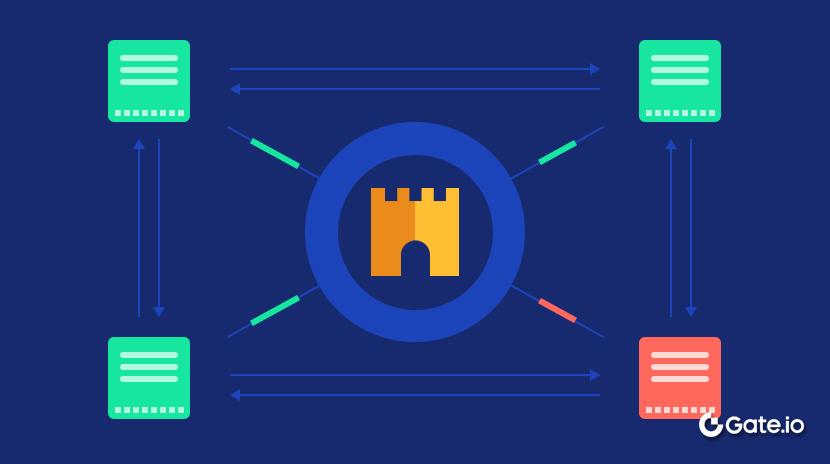
Vấn đề tướng Byzantine là gì

Quantitative Easing (QE) và Quantitative Tightening (QT) là gì?