How Does the TRON Token Economic Model Balance Inflation and Deflation?

12-6-2025, 12:04:32 PM
Blockchain
Crypto staking
DAO
DeFi
TRON
Article Rating : 5
89 ratings
This article explores the TRON token economic model, highlighting its balance between inflation and deflation. It delves into the strategic allocation of TRX tokens aimed at ecosystem and community rewards, deflationary mechanics since October 2021, and the role of staking incentives in network security. Additionally, it examines TRX's governance utility, emphasizing its use in voting mechanisms for decentralized network management. Ideal for blockchain enthusiasts and investors, the article provides critical insights into TRON's tokenomics, supporting both network growth and participant rewards. Key themes include token allocation, deflationary pressure, staking mechanics, and governance structure.
How Does the TRON Token Economic Model Balance Inflation and Deflation?
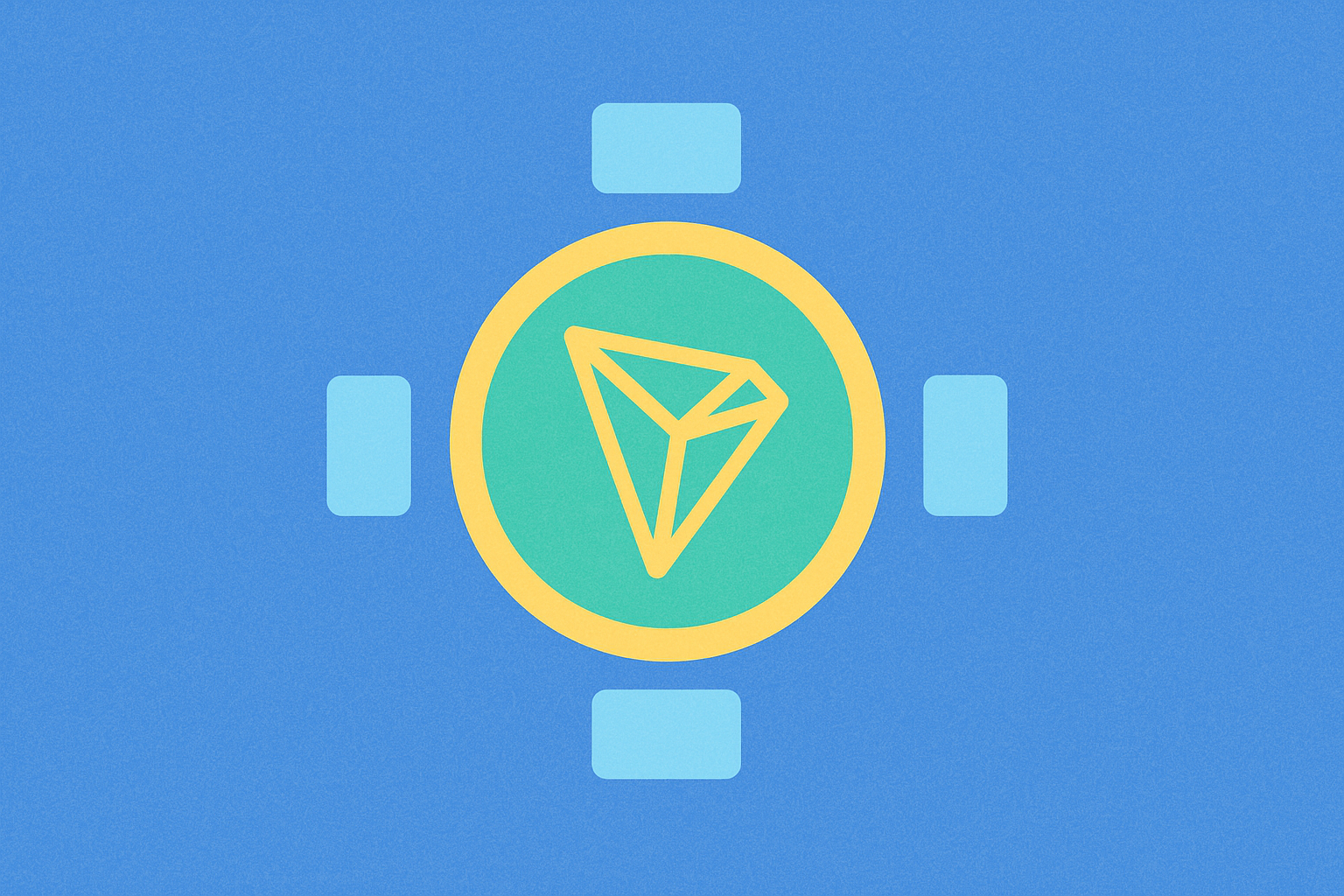
TRX token allocation: 40% for ecosystem and community rewards

TRX Token Allocation Content

TRON's token distribution strategy reflects a deliberate approach to balancing ecosystem development with stakeholder incentives. At launch, the total issuance of 100 billion TRX tokens was divided strategically among multiple beneficiaries. The ecosystem and community rewards allocation represents a substantial commitment to fostering long-term network growth and user participation.

Allocation Category Percentage Purpose
Ecosystem & Community Rewards 40% Network development and incentives
ICO Participants 40% Public token sale distribution
Private Investors 15.75% Early-stage funding
TRON Foundation 34% Infrastructure and operations

This 40% allocation designated for ecosystem and community rewards demonstrates TRON's recognition that sustained network expansion requires continuous incentivization of developers, validators, and active participants. These tokens fuel DApp development, encourage staking participation, and support governance initiatives through the Super Representative system, where 27 SRs validate transactions and create new blocks in exchange for network inflation rewards rather than transaction fees.

The ecosystem rewards mechanism aligns individual stakeholder interests with broader network health objectives. By distributing substantial token reserves to community incentives, TRON creates sustainable mechanisms for attracting development talent and maintaining active network participation, essential factors that have contributed to the network's growth trajectory and current market positioning as a major blockchain infrastructure platform.

Deflationary mechanism: TRX burn rate exceeds minting since October 2021

Since October 2021, TRON has entered a deflationary phase where the burn rate consistently exceeds token minting. This fundamental shift represents a significant departure from traditional inflationary cryptocurrency models and positions TRX as a scarce digital asset.

Metric 2024 Performance 2025 Performance
Monthly Burn Rate ~1.3 billion TRX 1.1-1.25 billion TRX
Total Burned Supply Cumulative growth 40+ billion TRX
Burn Acceleration Baseline Crossed 1.2 billion TRX threshold

The deflationary mechanism accelerated dramatically in 2025, with monthly burn rates consistently exceeding 1.1 billion TRX, driven primarily by surging USDT demand on the network. In August 2025 alone, burn exceeded 1.1 billion TRX, demonstrating sustained deflationary pressure. This mechanism operates through transaction fees and smart contract interactions, with each activity progressively reducing the circulating supply.

The network's cumulative burned supply has surpassed 40 billion TRX, representing approximately 42.3% reduction from total supply. Such aggressive tokenomics create natural scarcity that theoretically supports long-term value appreciation. The deflationary pressure intensifies as network adoption expands, particularly with TRON's expanding stablecoin ecosystem and growing transaction volumes across decentralized applications.

Staking incentives: 40-50% of TRX staked long-term

TRON's staking ecosystem demonstrates substantial long-term commitment from the community, with approximately 40-50% of the total TRX supply currently locked in long-term staking positions. This remarkable participation rate reflects strong confidence in the network's security and profitability model.

The staking incentive structure operates through a delegated proof-of-stake mechanism, where participants lock their tokens to vote for Super Representatives who validate transactions. In 2025, staking yields range from 3% to 25% APY depending on the platform and strategy employed. Block rewards and voting rewards form the foundation of these returns, though recent network updates have introduced adjustments to maintain sustainability.

Reward Component Previous Rate Current Rate (2025)
Block Rewards 16 TRX 8 TRX
Voting Rewards 160 TRX 128 TRX

The June 2025 governance proposal implemented a 50% reduction in block rewards and a 20% decrease in voting rewards, demonstrating the network's proactive approach to long-term incentive sustainability. Despite these adjustments, platforms offering combined staking and energy lending mechanisms continue attracting participants, with some protocols achieving 25% APY through optimized yield strategies.

This high concentration of staked tokens directly strengthens network security and decentralization, as the substantial locked capital represents genuine stakeholder alignment with TRON's protocol development and governance decisions.

Governance utility: TRX represents voting rights in TRON ecosystem

TRX holders actively participate in TRON's governance structure through a sophisticated voting mechanism. By freezing their TRX tokens, users receive Tron Power (TP), which grants them direct voting rights in the network's democratic processes. The TRON network operates with 27 active Super Representatives (SRs) responsible for validating transactions and producing new blocks. All TRX holders can vote for these SRs, ensuring that network validation remains decentralized and community-driven.

This governance model provides multiple benefits beyond mere voting privileges. Token holders who vote for Super Representatives gain transaction fee exemptions, creating economic incentives for active participation. Additionally, freezing TRX allocates energy resources necessary for executing smart contracts on the platform. With over 211 million TRX holders participating in the ecosystem, this voting mechanism has become fundamental to TRON's operational integrity.

The ability to vote out underperforming Super Representatives strengthens network accountability. Regular SR elections allow the community to continuously optimize validator performance and network security. This distributed governance approach, combined with the large number of Super Representatives, ensures meaningful decentralization while maintaining network efficiency and reliability across the TRON blockchain.

FAQ

Is TRX a good coin to buy?

TRX shows potential as a leading blockchain platform. With its growing ecosystem and increasing adoption, it could be a promising investment in the crypto market.

Will TRX reach $1?

As of 2025, TRX is priced at $0.27. While predicting future prices is uncertain, TRX could potentially reach $1 if the crypto market experiences a strong bullish trend.

What will TRX be worth in 5 years?

Based on market projections, TRX is expected to reach $0.367332 in 5 years. This forecast reflects positive market sentiment and growing adoption of TRON's blockchain technology.

What is TRX coin?

TRX is the native cryptocurrency of the Tron blockchain, which hosts decentralized apps using a three-layer protocol. It enables developers to create tokens and is used for transactions and smart contracts on the Tron network.

* The information is not intended to be and does not constitute financial advice or any other recommendation of any sort offered or endorsed by Gate.
Related Articles
What Is the Token Economic Model and How Does It Impact Crypto Projects?

What Is the Token Economic Model and How Does It Impact Crypto Projects?

This article delves into the token economic model and its profound impact on crypto projects, specifically highlighting Polkadot's strategic token distribution. By allocating 50% to the community, 30% to the team, and 20% to investors, it fosters decentralization and incentivizes innovation. Explore how dynamic inflation rates, token burn mechanisms, and governance rights tied to staking ensure the ecosystem's growth and stability. Ideal for crypto enthusiasts and investors, it addresses key tactics in crypto economics. The structure systematically examines distribution, inflation, supply control, and governance, optimizing readability and SEO keywords.
10-17-2025, 11:19:52 AM
What Is the Token Economics Model of Solana (SOL)?

What Is the Token Economics Model of Solana (SOL)?

The article explores Solana's token economics model, highlighting its strategic initial token distribution, declining inflation rate, impressive staking participation, and governance utility. It addresses the needs of potential investors, blockchain enthusiasts, and stakeholders seeking insight into Solana's economic sustainability and growth potential. Structured logically, the article details the token distribution's impact on ecosystem development, inflation rate adjustments for economic stability, high staking for network security, and on-chain voting for protocol upgrades. Key aspects drive compatibility and longevity in decentralized environments.
10-17-2025, 11:49:06 AM
How Does a Token Economic Model Balance Inflation and Governance?

How Does a Token Economic Model Balance Inflation and Governance?

The article explores how Polkadot's token economic model balances inflation and governance, detailing dynamic DOT issuance for network security and inflation control, including a phased reduction in issuance starting 2026 and treasury burns. It analyzes Polkadot's decentralized token distribution to the community, team, and investors, promoting ecosystem growth. Additionally, it highlights DOT holders' voting power in governance on upgrades and treasury spending. Lastly, the deflationary mechanism through transaction fee burning is discussed, illustrating its role in offsetting inflation and stabilizing token value.
10-25-2025, 11:41:52 AM
How Does a Token Economic Model Balance Incentives and Governance?

How Does a Token Economic Model Balance Incentives and Governance?

The article explores how a token economic model balances incentives and governance in blockchain projects, using Sui as a case study. Key topics include strategic token distribution among teams, investors, and the community to maintain engagement and sustainability. It discusses inflation and deflation mechanisms, highlighting a token burn strategy that fosters scarcity and potentially increases token value. The governance utility is emphasized, showcasing how Sui empowers token holders in decision-making. This content is valuable for blockchain developers, investors, and enthusiasts seeking to understand efficient tokenomics models for long-term project growth and decentralization.
10-18-2025, 10:03:16 AM
How Does TRX Compare to Binance and Huobi in 2025?

How Does TRX Compare to Binance and Huobi in 2025?

The article critically examines TRX's position against Binance and Huobi in 2025, focusing on staking yields, governance models, and market adoption. It highlights TRX's competitive staking APY, ranging from 3% to 7%, contrasting it with Gate's offerings. Emphasizing TRON's decentralized governance model as a differentiator, the article showcases its market impact and adoption by Dominica. While TRON has made gains in DeFi, it trails in overall adoption compared to major platforms. Ideal for investors and crypto enthusiasts, it underscores TRX's strengths and growth areas in the evolving blockchain landscape.
10-25-2025, 8:36:10 AM
How Does a Token Economy Model Work in Blockchain Projects?

How Does a Token Economy Model Work in Blockchain Projects?

This article explores how token economy models operate in blockchain projects, focusing on core elements like token distribution, inflationary models, governance rights, and burn mechanisms. It explains the balance of interests between community, investors, and teams using the C Token example, enhancing user engagement and loyalty. The inflationary model is examined for its potential impact on network stability, while governance rights through staking are highlighted for decentralized decision-making. Lastly, the article discusses the deflationary benefits of token burn mechanisms. Targets include blockchain enthusiasts, project developers, and investors seeking to understand sustainable tokenomic strategies.
10-23-2025, 10:30:24 AM
Recommended for You
Understanding Blockchain Nodes: Their Role and Functionality

Understanding Blockchain Nodes: Their Role and Functionality

This article explores the essential role and functionality of blockchain nodes within decentralized networks, focusing on their impact on security, data integrity, and system decentralization. Readers will gain insights into different node types, such as full, lightweight, mining, and staking nodes, alongside their unique tasks and consensus mechanisms like PoW and PoS. The content targets cryptocurrency enthusiasts and tech professionals seeking to comprehend blockchain infrastructure and its implications for Web3 innovations. It emphasizes nodes' significance in sustaining blockchain operability and potential security challenges while detailing the technical requirements for operating different nodes.
12-19-2025, 10:39:37 AM
Optimizing Automated Crypto Bot Strategies for Enhanced Trading Results
Optimizing Automated Crypto Bot Strategies for Enhanced Trading Results

This article explores the strategies for optimizing automated crypto trading bots, offering traders tools to enhance market efficiency and eliminate emotional biases. It covers defining bot strategies, setup processes, and pros and cons of bot trading. Intended for traders who lack programming skills or seek enhanced trading control, the piece highlights current bot technologies and platforms. Readers will gain insights into selecting suitable bots, maximizing trading strategies, and leveraging the benefits of automation. Key themes include emotionless trading, continuous market monitoring, strategy backtesting, customization, and platform selection.
12-19-2025, 10:35:44 AM
7 Affordable Cryptocurrencies to Consider Buying in 2024

7 Affordable Cryptocurrencies to Consider Buying in 2024

Explore the cryptocurrency market with "7 Affordable Cryptocurrencies to Consider Buying in 2024," offering a guide to budget-conscious digital asset investments. This article identifies seven low-cost cryptocurrencies — Ripple, Cardano, The Graph, Tron, Stellar, Gala, and Ankr — emphasizing their potential for growth and utility in the digital space. Addressing the needs of novice and experienced investors, it covers diverse applications from payment processing to blockchain gaming. The outline includes detailed analysis of each token, focusing on market capitalization and long-term potential, ensuring readers gain strategic insights for investment decisions. Keywords include "cheapest cryptocurrency," "affordable digital assets," and "investment opportunities."
12-19-2025, 10:34:47 AM
Cheems Coin: Understanding the Popular Meme Coin in Web3
Cheems Coin: Understanding the Popular Meme Coin in Web3

The article delves into Cheems Coin, a meme-inspired cryptocurrency originating from the popular Shiba Inu meme, illustrating its transition into a significant crypto token within Web3. It explores the origin, appeal, and development potential of Cheems Token, highlighting its functionality across various blockchain platforms like Solana and Gate. The piece addresses challenges such as market volatility and regulatory barriers, while emphasizing community-driven initiatives that contribute to its growth. Readers will gain insights into how meme culture blends with blockchain technology to create tangible financial utilities.
12-19-2025, 10:33:41 AM
2025 BOB Price Prediction: Expert Analysis and Market Outlook for the Coming Year

2025 BOB Price Prediction: Expert Analysis and Market Outlook for the Coming Year

The article offers a comprehensive analysis and market outlook for BOB in 2025, focusing on its role in Bitcoin DeFi through innovative hybrid chain architecture. It examines BOB's historical price trends, current market status, and future potential, highlighting supply mechanisms, macroeconomic factors, and technical advancements. Suitable for investors and traders, the article provides investment strategies and risk management insights. Keyphrases include "BOB price prediction," "Bitcoin DeFi gateway," and "market analysis." Readability optimized for quick scanning, facilitating informed investment decisions on Gate.
12-19-2025, 10:33:03 AM
2025 PLUME Price Prediction: Expert Analysis and Future Market Outlook for Plume Network Token

2025 PLUME Price Prediction: Expert Analysis and Future Market Outlook for Plume Network Token

The article "2025 PLUME Price Prediction: Expert Analysis and Future Market Outlook for Plume Network Token" explores Plume's role as a pioneering RWAfi L1 network bridging real-world assets with crypto. It provides a detailed analysis of PLUME's price history and projections from 2025 to 2030, offering investment strategies and risk management insights for investors interested in crypto-native infrastructure. The article delves into technological development, macroeconomic factors, and market sentiment, addressing the risks and opportunities for long-term holders and active traders. Designed for informed market participants, the piece enriches understanding of potential catalysts for PLUME's growth amidst regulatory and technical challenges.
12-19-2025, 10:32:26 AM
